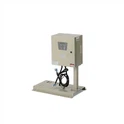
In the realm of chilled water pumping systems, the application of variable frequency drives (VFDs) has emerged as a topic of significant interest. As a supplier of Water Pump VFD Inverters, I've witnessed firsthand the growing curiosity about whether these devices can be effectively utilized in chilled water pumping systems. In this blog post, I'll delve into the technical aspects, benefits, and considerations of using a water pump VFD inverter in such systems.
Understanding Chilled Water Pumping Systems
Chilled water pumping systems are integral to various industrial and commercial applications, including HVAC (Heating, Ventilation, and Air Conditioning) systems. These systems circulate chilled water through pipes to cool buildings, equipment, or processes. The efficiency and performance of chilled water pumping systems are crucial for maintaining optimal temperature control and energy consumption.
The operation of a chilled water pumping system involves a pump that moves water through the system at a specific flow rate and pressure. Traditional pumps typically operate at a fixed speed, which means they consume a constant amount of energy regardless of the actual demand. This can lead to inefficiencies, especially when the system requires less flow or pressure.
How Water Pump VFD Inverters Work
A water pump VFD inverter is a device that controls the speed of an electric motor by varying the frequency and voltage of the power supplied to it. By adjusting the motor speed, the VFD inverter can precisely match the pump's output to the actual demand of the chilled water system.
The basic principle behind a VFD inverter is the relationship between the frequency of the power supply and the speed of the motor. In an AC motor, the speed is directly proportional to the frequency of the power supply. By changing the frequency, the VFD inverter can increase or decrease the motor speed, thereby adjusting the flow rate and pressure of the pump.
For example, when the demand for chilled water decreases, the VFD inverter can reduce the motor speed, which in turn reduces the flow rate and power consumption of the pump. Conversely, when the demand increases, the VFD inverter can increase the motor speed to meet the higher demand.
Benefits of Using a Water Pump VFD Inverter in a Chilled Water Pumping System
Energy Efficiency
One of the primary benefits of using a water pump VFD inverter in a chilled water pumping system is energy savings. As mentioned earlier, traditional pumps operate at a fixed speed, which can result in over-pumping and wasted energy. By adjusting the pump speed to match the actual demand, a VFD inverter can significantly reduce energy consumption.
According to industry studies, the energy savings achieved by using a VFD inverter in a pumping system can range from 30% to 60%. This not only reduces operating costs but also contributes to environmental sustainability by lowering carbon emissions.
Improved System Performance
A VFD inverter allows for precise control of the pump's flow rate and pressure, which can improve the overall performance of the chilled water system. By maintaining a consistent and optimal flow rate, the system can provide better temperature control and comfort in the building or process being cooled.
In addition, the ability to adjust the pump speed can help prevent water hammer, a phenomenon that occurs when the flow of water in a pipe suddenly stops or changes direction. Water hammer can cause damage to the pipes, valves, and other components of the system, but a VFD inverter can gradually ramp up or down the pump speed to minimize the risk of water hammer.
Extended Equipment Lifespan
By reducing the stress on the pump and motor, a VFD inverter can extend the lifespan of the equipment. The ability to operate the pump at a lower speed when the demand is low reduces wear and tear on the mechanical components, such as the bearings and seals. This can result in fewer maintenance requirements and lower replacement costs over the long term.
Considerations When Using a Water Pump VFD Inverter in a Chilled Water Pumping System
Compatibility
Before installing a water pump VFD inverter in a chilled water pumping system, it's important to ensure that the inverter is compatible with the pump and motor. The inverter must be rated for the correct voltage, current, and horsepower of the motor. In addition, the pump must be designed to operate at variable speeds without causing any damage or performance issues.
Control Strategy
Developing an appropriate control strategy is crucial for maximizing the benefits of a VFD inverter in a chilled water pumping system. The control strategy should take into account factors such as the system's load profile, temperature requirements, and energy consumption goals. There are several types of control strategies available, including constant pressure control, constant flow control, and proportional-integral-derivative (PID) control.
Installation and Maintenance
Proper installation and maintenance of the VFD inverter are essential for its reliable operation. The inverter should be installed in a clean, dry, and well-ventilated environment to prevent overheating. In addition, regular maintenance, such as checking the electrical connections, cleaning the cooling fans, and monitoring the performance, is necessary to ensure the inverter continues to function properly.
Our Water Pump VFD Inverter Products
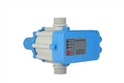
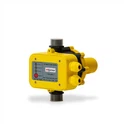
As a supplier of Water Pump VFD Inverters, we offer a range of products that are suitable for use in chilled water pumping systems. Our 380V Water Pump Inverter is designed for three-phase applications and provides reliable and efficient control of the pump speed. It features advanced control algorithms and protection functions to ensure safe and stable operation.
We also offer the New Single-phase Water Pump Inverter, which is ideal for smaller chilled water systems or applications where single-phase power is available. This inverter is easy to install and operate, and it provides excellent energy savings and performance.
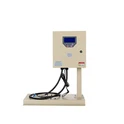
For larger systems, our 380V Three-Phase Pump Variable Frequency Drive offers high-power and high-performance control. It is capable of handling heavy loads and can be customized to meet the specific requirements of the chilled water system.
Conclusion
In conclusion, a water pump VFD inverter can be effectively used in a chilled water pumping system to improve energy efficiency, system performance, and equipment lifespan. However, it's important to carefully consider the compatibility, control strategy, and installation and maintenance requirements before implementing a VFD inverter in the system.
As a leading supplier of Water Pump VFD Inverters, we have the expertise and products to help you optimize your chilled water pumping system. If you're interested in learning more about our products or discussing your specific application, please feel free to contact us for a consultation. We look forward to working with you to achieve your energy savings and performance goals.


References
- ASHRAE Handbook - HVAC Systems and Equipment, American Society of Heating, Refrigerating and Air-Conditioning Engineers, Inc.
- Energy Efficiency in Pumping Systems, Hydraulic Institute
- Variable Frequency Drives: Application and Installation, IEEE Industry Applications Society