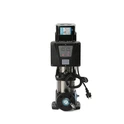
Hey there! As a supplier of Water Pump Pressure Tanks, I often get asked if these tanks can actually increase water pressure. Well, let's dive right into it and find out.
First off, let's understand what a Water Pump Pressure Tank is. A Water Pump Pressure Tank is an essential part of a water pumping system. It's basically a container that stores water under pressure. The tank has a diaphragm or a bladder that separates the water from the air inside. When the pump runs, it fills the tank with water, compressing the air above the diaphragm or bladder.
Now, to answer the big question – can it increase water pressure? The short answer is yes, but it's a bit more complicated than that. A water pump pressure tank doesn't create pressure on its own. It works in conjunction with the water pump to maintain and regulate water pressure in your system.
Let's start with how it maintains pressure. When you turn on a faucet or any water - using appliance, the water in the tank is pushed out by the compressed air. This provides a steady flow of water at a consistent pressure without the pump having to run continuously. For example, in a household setting, if you're taking a shower and someone else turns on the sink, the pressure in the water supply won't drop significantly because the pressure tank is there to keep the water flowing at a good rate.
As for increasing pressure, it can do so in a way. When the pump fills the tank, it builds up the pressure inside. The air in the tank gets compressed more and more as water is added. This increased air pressure then forces the water out at a higher pressure when you use it. However, there are limits to how much pressure it can increase. The pump has a certain capacity to fill the tank and build up pressure, and the tank itself has a maximum pressure rating that it can safely handle.
Let's talk about some of the factors that affect how well a water pump pressure tank can increase or maintain water pressure. The size of the tank is crucial. A larger tank can store more water and hold more compressed air. This means it can provide a longer - lasting supply of water at a consistent pressure. For instance, in a large commercial building with multiple water - using fixtures, a bigger tank will be able to meet the high demand for water better than a small one.
The pre - charge pressure of the tank also matters. The pre - charge is the pressure of the air in the tank when it's empty. If the pre - charge is set correctly, the tank will work more efficiently. If it's too low, the tank may not be able to provide enough pressure, and if it's too high, the pump may cycle on and off too frequently, which can lead to premature wear and tear.
Another important aspect is the condition of the tank. Over time, the diaphragm or bladder inside the tank can wear out or develop leaks. If this happens, the tank won't be able to hold the pressure properly, and the water pressure in your system will suffer. That's where a Leak Detection Sensor can come in handy. It can detect any leaks in the tank early on, allowing you to take corrective action before it causes major problems.


Now, let's compare water pump pressure tanks with other types of tanks in the water - pumping world. An Industrial Plastic Expansion Tank is often used in industrial settings. While it also helps with pressure regulation, its main function is to accommodate the expansion of water due to temperature changes. Unlike a water pump pressure tank, it's not primarily designed to store water under pressure for immediate use.
In a residential setting, having a water pump pressure tank can make a huge difference in your daily life. You won't have to deal with low - pressure showers or weak water flow when multiple fixtures are in use. In a commercial or industrial setting, it can ensure that production processes that rely on a consistent water supply run smoothly.
If you're thinking about getting a water pump pressure tank, there are a few things to consider. First, you need to determine the right size for your needs. You should also make sure to choose a high - quality tank from a reliable supplier. And don't forget about regular maintenance. Checking the pre - charge pressure, inspecting the tank for leaks, and replacing the diaphragm or bladder when needed will keep your tank working at its best.
In conclusion, a water pump pressure tank can definitely play a significant role in increasing and maintaining water pressure. It's an important component of any water - pumping system, whether it's for a small home or a large industrial facility. If you're in the market for a water pump pressure tank or have any questions about how it can improve your water pressure, feel free to reach out. We're here to help you find the right solution for your specific needs.
References
- Water Pump Handbook, various editions
- Plumbing and Water Supply Engineering textbooks