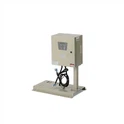
As a supplier of 380V water pump inverters, I often receive inquiries from customers in the sewage - treatment water system industry. One of the most frequently asked questions is whether a 380V water pump inverter can be used in a sewage - treatment water system. In this blog, I will delve into this topic and provide a comprehensive analysis.
Understanding the Basics of 380V Water Pump Inverters
Before we discuss the applicability of 380V water pump inverters in sewage - treatment water systems, it's essential to understand what these inverters are. A 380V water pump inverter is a device that controls the speed of a water pump motor by adjusting the frequency and voltage of the electrical power supplied to it. This allows for precise control of the pump's flow rate and pressure, which can lead to significant energy savings and improved system performance.
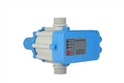
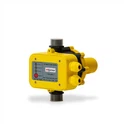
Our company offers a range of high - quality 380V water pump inverters, including the Variable Frequency Pump Constant Voltage Controller, Constant Pressure Pump VSD Inverter, and 380V Three - Phase Pump Variable Frequency Drive. These inverters are designed with advanced technology to ensure reliable and efficient operation.
Requirements of Sewage - Treatment Water Systems
Sewage - treatment water systems have unique requirements that must be met for proper operation. These systems typically involve the transportation, treatment, and disposal of sewage. The pumps in these systems need to handle a variety of tasks, such as lifting sewage from lower to higher elevations, circulating water through treatment processes, and discharging treated water.
Some of the key requirements for pumps in sewage - treatment water systems include:
- Variable Flow and Pressure: Sewage flow rates can vary significantly depending on factors such as time of day, population density, and weather conditions. Pumps need to be able to adjust their flow and pressure accordingly to ensure efficient operation.
- Reliability: Sewage - treatment is a critical process, and any pump failure can lead to environmental pollution and health risks. Therefore, pumps and their control systems need to be highly reliable.
- Corrosion Resistance: Sewage contains various chemicals and contaminants that can corrode pump components. Pumps and inverters need to be designed to withstand these harsh conditions.
Can a 380V Water Pump Inverter Meet the Requirements?
Now, let's analyze whether a 380V water pump inverter can meet the requirements of a sewage - treatment water system.
Variable Flow and Pressure Control
One of the main advantages of using a 380V water pump inverter is its ability to provide variable flow and pressure control. By adjusting the frequency of the electrical power supplied to the pump motor, the inverter can change the pump's speed. This allows the pump to operate at different flow rates and pressures, depending on the system's demand. For example, during periods of low sewage flow, the inverter can reduce the pump speed to save energy. When the flow increases, the inverter can increase the speed to maintain the required pressure.


Reliability
Modern 380V water pump inverters are designed with advanced protection features to ensure reliable operation. These features include over - current protection, over - voltage protection, under - voltage protection, and short - circuit protection. In addition, many inverters are equipped with self - diagnostic functions that can detect and report faults in real - time. This helps to prevent pump failures and minimize downtime in sewage - treatment water systems.
Corrosion Resistance
While the inverter itself is not directly exposed to sewage, it needs to be installed in an environment that is often close to the pump and the sewage - handling equipment. Therefore, it is important to choose an inverter that is designed to resist corrosion. Many of our 380V water pump inverters are housed in robust enclosures that provide protection against dust, moisture, and corrosive agents.
Advantages of Using a 380V Water Pump Inverter in Sewage - Treatment Water Systems
In addition to meeting the basic requirements, there are several other advantages of using a 380V water pump inverter in sewage - treatment water systems:
Energy Savings
As mentioned earlier, the ability to adjust the pump speed according to the system's demand can result in significant energy savings. By reducing the pump speed during low - flow periods, the inverter can reduce the power consumption of the pump. This not only lowers the operating costs but also has a positive impact on the environment.
Extended Pump Lifespan
Constant - speed pumps are often subject to mechanical stress and wear due to continuous operation at full speed. By using a 380V water pump inverter to control the pump speed, the mechanical stress on the pump can be reduced. This can extend the pump's lifespan and reduce the frequency of pump replacements.
Improved System Performance
The precise flow and pressure control provided by the inverter can improve the overall performance of the sewage - treatment water system. This can lead to more efficient treatment processes, better water quality, and reduced environmental impact.
Considerations When Using a 380V Water Pump Inverter in Sewage - Treatment Water Systems
While a 380V water pump inverter can bring many benefits to a sewage - treatment water system, there are also some considerations that need to be taken into account:
Compatibility
It is important to ensure that the 380V water pump inverter is compatible with the pump motor. Factors such as motor power, voltage, and current ratings need to be carefully considered. Our technical support team can assist you in selecting the right inverter for your specific pump and system requirements.
Installation and Maintenance
Proper installation and maintenance are crucial for the reliable operation of the inverter. The inverter should be installed in a well - ventilated and dry location, away from sources of heat and moisture. Regular maintenance, such as cleaning, inspection, and calibration, should also be carried out to ensure optimal performance.
Conclusion
In conclusion, a 380V water pump inverter can be effectively used in a sewage - treatment water system. It can meet the system's requirements for variable flow and pressure control, reliability, and corrosion resistance. Moreover, it offers several advantages, such as energy savings, extended pump lifespan, and improved system performance.
If you are in the sewage - treatment water system industry and are considering using a 380V water pump inverter, we invite you to contact us for more information. Our team of experts can provide you with detailed product information, technical support, and assistance in selecting the right inverter for your needs. Let's work together to achieve more efficient and sustainable sewage - treatment solutions.
References
- "Pump Handbook" by Igor J. Karassik et al.
- Industry standards and guidelines for sewage - treatment water systems.