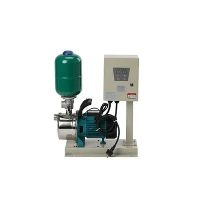
As a supplier of Water Pump Inverters, I've often been asked about the environmental friendliness of these devices. In this blog post, I'll delve into the topic, exploring the ways in which water pump inverters contribute to environmental sustainability and how they compare to traditional water pump systems.
How Water Pump Inverters Work
Before discussing their environmental impact, it's essential to understand how water pump inverters function. A Water Pump Inverter is a device that controls the speed of an electric motor driving a water pump. By adjusting the frequency and voltage supplied to the motor, the inverter can vary the pump's speed according to the actual demand for water. This means that the pump doesn't have to run at full speed all the time, which can lead to significant energy savings.
Energy Efficiency and Environmental Benefits
One of the most significant environmental benefits of water pump inverters is their ability to improve energy efficiency. Traditional water pumps typically operate at a fixed speed, regardless of the actual water demand. This means that they often consume more energy than necessary, especially during periods of low demand. In contrast, water pump inverters can adjust the pump's speed to match the required flow rate, reducing energy consumption and minimizing waste.
Studies have shown that using a water pump inverter can result in energy savings of up to 50% compared to traditional fixed-speed pumps. These savings not only reduce electricity bills for consumers but also have a positive impact on the environment. By consuming less energy, water pump inverters help to lower greenhouse gas emissions associated with electricity generation. This is particularly important as the demand for water continues to grow, and the need to reduce our carbon footprint becomes increasingly urgent.
Reducing Water Waste
In addition to energy savings, water pump inverters can also help to reduce water waste. Traditional pumps often have a tendency to over-pressurize the water system, leading to leaks and bursts in pipes. This can result in significant water losses, which not only waste a precious resource but also increase the cost of water supply and infrastructure maintenance.
Water pump inverters can help to prevent over-pressurization by maintaining a constant and optimal pressure in the water system. By adjusting the pump's speed in real-time, the inverter ensures that the pressure remains within a safe and efficient range, reducing the risk of leaks and bursts. This not only conserves water but also extends the lifespan of the water supply infrastructure, reducing the need for costly repairs and replacements.
Noise Reduction
Another environmental benefit of water pump inverters is their ability to reduce noise pollution. Traditional pumps can be quite noisy, especially when operating at full speed. This can be a nuisance for homeowners and can also have a negative impact on the surrounding environment.
Water pump inverters operate at a lower speed and with less vibration than traditional pumps, resulting in significantly reduced noise levels. This makes them a more environmentally friendly option, especially in residential areas where noise pollution can be a concern.
Compatibility with Renewable Energy Sources
Water pump inverters are also highly compatible with renewable energy sources such as solar and wind power. As the world continues to transition towards a more sustainable energy future, the use of renewable energy for water pumping is becoming increasingly popular.
Solar-powered water pumps, for example, rely on the energy generated by solar panels to operate. However, the output of solar panels can vary depending on factors such as sunlight intensity and time of day. Water pump inverters can help to optimize the performance of solar-powered pumps by adjusting the pump's speed to match the available solar energy. This ensures that the pump operates efficiently even when the solar energy supply is limited, maximizing the use of renewable energy and reducing the reliance on grid electricity.
Comparison with Traditional Water Pump Systems
When comparing water pump inverters with traditional water pump systems, it's clear that inverters offer significant environmental advantages. Traditional pumps are often less energy-efficient, consume more water, produce more noise, and are less compatible with renewable energy sources.
In contrast, water pump inverters are designed to operate at optimal efficiency, reducing energy consumption, water waste, and noise pollution. They also offer greater flexibility and control, allowing users to adjust the pump's performance according to their specific needs.
Conclusion
In conclusion, water pump inverters are a highly environmentally friendly option for water pumping applications. Their ability to improve energy efficiency, reduce water waste, lower noise pollution, and integrate with renewable energy sources makes them a sustainable choice for both residential and commercial users.


As a supplier of Variable Frequency Pump Converter for Home Use and Pump Constant Pressure Variable Speed Drive Inverter, I'm committed to providing high-quality products that not only meet the needs of our customers but also contribute to a more sustainable future. If you're interested in learning more about our water pump inverters or would like to discuss your specific requirements, please feel free to get in touch. We're here to help you make the right choice for your water pumping needs and to contribute to a greener planet.
References
- [List relevant industry reports, studies, or articles here, e.g., "Energy Efficiency of Variable Frequency Drives in Water Pumping Systems", Journal of Sustainable Energy, Vol. XX, Issue XX, Year]
- [Another reference, such as "The Impact of Water Pump Inverters on Water Conservation", Water Resources Management, Vol. XX, Issue XX, Year]
- [And so on, listing all the references used in the blog post]