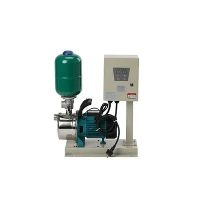
A water pump pressure gauge reading zero can be a frustrating and concerning issue for many users. As a trusted supplier of water pump pressure gauges, we understand the importance of a functional pressure gauge in ensuring the proper operation of your water pump system. In this blog post, we will explore the various reasons why your water pump pressure gauge might be reading zero and provide practical solutions to help you resolve the issue.
Understanding the Function of a Water Pump Pressure Gauge
Before delving into the potential causes of a zero reading on the pressure gauge, it's essential to understand its role in a water pump system. A water pump pressure gauge is a vital component that measures the pressure within the water system. It provides crucial information about the pump's performance, allowing you to monitor the pressure levels and ensure that the system is operating within the recommended range.
Common Reasons for a Zero Reading on the Pressure Gauge
1. Power Supply Issues
One of the most common reasons for a zero reading on the pressure gauge is a problem with the power supply. If the water pump is not receiving power, it will not be able to generate pressure, resulting in a zero reading on the gauge. To check for power supply issues, you can start by inspecting the electrical connections. Ensure that the pump is properly plugged in and that there are no loose or damaged wires. You can also use a voltage tester to verify that the power source is supplying the correct voltage.
If the pump is connected to a circuit breaker, check if the breaker has tripped. A tripped breaker indicates an electrical overload or a short circuit in the system. Reset the breaker and see if the pump starts working. If the breaker trips again immediately, there may be a more serious electrical problem that requires professional assistance.
2. Pump Failure
Another possible cause of a zero reading on the pressure gauge is a pump failure. The pump may have stopped working due to a mechanical issue, such as a broken impeller, a seized motor, or a blown fuse. To determine if the pump is faulty, you can listen for any unusual noises coming from the pump when it is turned on. A grinding or humming sound may indicate a mechanical problem.


You can also check the pump's amperage using an ammeter. Compare the amperage reading to the pump's specifications. If the amperage is significantly lower or higher than the recommended range, it could be a sign of a pump failure. In some cases, the pump may need to be repaired or replaced.
3. Clogged Pipes or Valves
Clogged pipes or valves can restrict the flow of water, causing a drop in pressure and a zero reading on the pressure gauge. Sediment, debris, or mineral deposits can accumulate in the pipes over time, reducing the internal diameter and impeding the water flow. To check for clogged pipes or valves, you can inspect the pipes for any signs of blockage, such as visible debris or corrosion.
You can also try opening and closing the valves to ensure that they are functioning properly. If a valve is stuck or partially closed, it can restrict the water flow. In some cases, you may need to clean or replace the pipes or valves to restore the water flow.
4. Pressure Tank Problems
The Water Pump Pressure Tank plays a crucial role in maintaining a stable water pressure in the system. If the pressure tank is not working correctly, it can cause the pressure gauge to read zero. A common problem with pressure tanks is a loss of air charge. Over time, the air in the tank can leak out, reducing the tank's ability to maintain pressure.
To check the air charge in the pressure tank, you can use a tire pressure gauge to measure the air pressure at the Schrader valve located on the top of the tank. The recommended air pressure for a water pressure tank is typically 2 psi less than the pump's cut-in pressure. If the air pressure is too low, you can add air to the tank using an air compressor.
5. Faulty Pressure Gauge
In some cases, the problem may be with the pressure gauge itself. A faulty pressure gauge can give inaccurate readings, including a zero reading. To determine if the pressure gauge is faulty, you can compare its reading to another pressure gauge or a pressure sensor. If the readings are significantly different, it's likely that the pressure gauge is defective and needs to be replaced.
Troubleshooting Steps
Now that we have identified the common causes of a zero reading on the water pump pressure gauge, let's discuss the troubleshooting steps you can take to resolve the issue.
Step 1: Check the Power Supply
As mentioned earlier, a problem with the power supply can cause the pump to stop working and the pressure gauge to read zero. Start by checking the electrical connections and ensuring that the pump is receiving power. If the power supply is the issue, you can try to fix the problem yourself or call an electrician for assistance.
Step 2: Inspect the Pump
If the power supply is working properly, the next step is to inspect the pump for any signs of damage or malfunction. Listen for any unusual noises, check the amperage, and look for any visible signs of wear or damage. If you suspect that the pump is faulty, it's best to call a professional pump repair technician to diagnose and fix the problem.
Step 3: Check the Pipes and Valves
Inspect the pipes and valves for any signs of blockage or damage. Look for visible debris, corrosion, or leaks. Try opening and closing the valves to ensure that they are functioning properly. If you find any blockages, you can try to clean the pipes or valves using a pipe cleaner or a chemical cleaner. If the blockage is severe, you may need to replace the pipes or valves.
Step 4: Check the Pressure Tank
Check the air charge in the pressure tank using a tire pressure gauge. If the air pressure is too low, add air to the tank using an air compressor. If the pressure tank is damaged or leaking, it may need to be replaced.
Step 5: Test the Pressure Gauge
If all the other components are working properly, the problem may be with the pressure gauge itself. Test the pressure gauge using another pressure gauge or a pressure sensor. If the readings are significantly different, replace the pressure gauge.
When to Seek Professional Help
While some water pump pressure gauge issues can be resolved through DIY troubleshooting, there are times when it's best to seek professional help. If you are not familiar with electrical systems or plumbing, it's recommended that you call a licensed electrician or a professional pump repair technician. They have the knowledge, skills, and tools to diagnose and fix complex problems safely and effectively.
Conclusion
A zero reading on the water pump pressure gauge can indicate a variety of issues, ranging from simple power supply problems to more complex pump failures. By understanding the common causes and following the troubleshooting steps outlined in this blog post, you can identify and resolve the issue quickly and efficiently.
As a leading supplier of water pump pressure gauges, we offer a wide range of high-quality pressure gauges and accessories to meet your needs. Our products are designed to provide accurate and reliable pressure readings, ensuring the proper operation of your water pump system. If you have any questions or need assistance with your water pump pressure gauge, please don't hesitate to contact us. We are here to help you find the best solution for your water pump needs.
References
If you are in need of a reliable water pump pressure gauge or any related accessories, we encourage you to reach out to us for further discussions and to explore our product offerings. We look forward to the opportunity to serve you and meet your water pump system requirements.