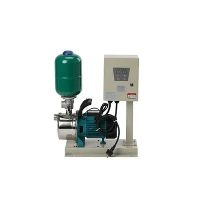
Electric water pump controllers play a crucial role in the efficient operation of water pumping systems. As a supplier of Electric Water Pump Controllers, I often encounter inquiries about whether these devices require maintenance. In this blog post, I'll delve into this topic, exploring the necessity of maintenance, factors influencing it, and best practices for ensuring the longevity and optimal performance of electric water pump controllers.
Do Electric Water Pump Controllers Require Maintenance?
The short answer is yes, electric water pump controllers do require maintenance. However, the frequency and intensity of maintenance can vary significantly based on several factors. Unlike some simple mechanical devices that might run for years without much attention, water pump controllers are precision electronic components that manage the complex operation of water pumps. They are responsible for regulating water pressure, controlling pump start - stop cycles, and sometimes even protecting the pump from overloads and dry - running.


Factors Influencing Maintenance Requirements
- Operating Environment: The conditions under which the controller operates have a major impact on its maintenance needs. For example, if the controller is installed in a damp or dusty environment, it will likely require more frequent maintenance. Moisture can corrode electrical contacts and circuit boards, while dust can accumulate on components, leading to overheating. In contrast, a controller installed in a clean, dry indoor environment may need less frequent attention.
- Usage Frequency: A water pump controller that is in constant use will experience more wear and tear compared to one that is used sporadically. For instance, in a large industrial setting where water pumps are running continuously to supply water for production processes, the controller will be under constant stress. This increases the likelihood of component failure and thus requires more regular maintenance checks.
- Quality of the Controller: High - quality controllers are generally designed and built to last longer and require less maintenance. Cheaper controllers may use lower - grade components, which are more prone to failure. When choosing a water pump controller, it's important to consider the long - term cost of ownership, which includes the cost of maintenance. As a supplier, we recommend Digital Display Water Pump Pressure Controller, which is known for its high - quality construction and stable performance.
Common Maintenance Tasks
- Visual Inspection: Regular visual inspections are the first line of defense in maintaining a water pump controller. Check for any signs of physical damage such as cracks, loose connections, or signs of overheating (burn marks or a burnt smell). A daily or weekly visual check can help identify potential problems early on.
- Cleaning: Keep the controller clean to prevent dust and debris from accumulating. Use a dry, soft brush to gently remove dust from the surface of the controller. If the environment is particularly dirty, you may need to clean the controller more frequently.
- Testing of Functions: Periodically test the functions of the controller to ensure it is operating correctly. This includes checking the pressure settings, the start - stop cycles of the pump, and any other features such as automatic restart. Our Automatic Restart Pump Controller has built - in safety features that should be regularly tested to ensure reliable operation.
- Check for Electrical Faults: Use appropriate electrical testing equipment to check for any electrical faults in the controller. This can involve measuring voltage, current, and resistance at different points in the circuit. Faulty electrical connections can lead to unstable operation of the pump and even pose a safety hazard.
Best Practices for Maintenance
- Establish a Maintenance Schedule: Based on the operating environment and usage frequency, create a detailed maintenance schedule. For example, in a harsh industrial environment, you might schedule a full maintenance check every three months, while in a more benign residential setting, a semi - annual check could be sufficient.
- Train Maintenance Personnel: Ensure that the personnel responsible for maintaining the water pump controller are properly trained. They should have a good understanding of the controller's operation, as well as the necessary skills to perform maintenance tasks safely.
- Keep Spare Parts on Hand: Have a supply of commonly replaced parts such as fuses, relays, and seals. This can reduce downtime in case of a component failure. Our 1.1KW Water Pump Control Switch is a popular component, and keeping a spare can be very useful.
Benefits of Regular Maintenance
- Enhanced Efficiency: A well - maintained water pump controller ensures that the water pump operates at peak efficiency. This can lead to significant energy savings over time, as the pump will not be overworking or running inefficiently.
- Longer Lifespan: By addressing potential problems early through regular maintenance, you can extend the lifespan of the water pump controller. This reduces the need for frequent replacements and saves on costs in the long run.
- Reliable Operation: A reliable water pump controller is essential for the continuous operation of water - dependent systems. Regular maintenance helps prevent unexpected breakdowns, ensuring that your water supply or industrial processes are not interrupted.
Conclusion
In conclusion, electric water pump controllers do require maintenance, but with a proper maintenance plan, you can keep them in optimal condition for many years. As a supplier of high - quality electric water pump controllers, we are committed to providing our customers with the best products and useful information about their maintenance.
If you are interested in our range of electric water pump controllers or have questions about maintenance and operation, we encourage you to reach out to us for procurement discussions. We are here to help you find the most suitable solutions for your needs.
References
- Electrical Engineering Handbook, Mc Graw - Hill
- Pump Systems Matter: Best Practices for Pump Efficiency and Maintenance