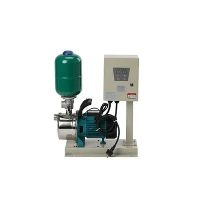
Hey there! As a supplier of Factory Water Pump Switch, I've seen a lot of debates over whether a manual or an automatic factory water pump switch is better. In this blog, I'm gonna break down the pros and cons of each to help you make an informed decision.
Manual Factory Water Pump Switches
Let's start with manual switches. These are the old - school type of switches that you operate by hand. You turn them on when you need the water pump to work and turn them off when you're done.
Advantages
- Simplicity: One of the biggest perks of a manual switch is its simplicity. There are no complex electronics or sensors involved. It's just a basic on - off mechanism. This means that it's easy to understand and operate, even for someone with little technical knowledge. For example, if you're running a small factory and you're the only one operating the pump, you can easily control it with a manual switch.
- Cost - effective: Manual switches are generally cheaper than their automatic counterparts. They don't require any additional sensors or control systems, which keeps the manufacturing cost down. This is great for small businesses or factories on a tight budget. You can get a reliable manual switch at a fraction of the price of an automatic one.
- Reliability: Since there are fewer components, there's less that can go wrong. Manual switches are less likely to malfunction due to electrical glitches or sensor failures. If you're in an area with unstable power or harsh environmental conditions, a manual switch might be a more reliable option.
Disadvantages
- Inconvenience: The main drawback of a manual switch is the inconvenience. You have to be present to turn the pump on and off. If you forget to turn it off, it can lead to water wastage or even damage to the pump. For instance, if you're in a hurry and leave the pump running, it can overheat and break down.
- Lack of precision: Manual switches don't offer the same level of precision as automatic switches. You can't set specific pressure or flow rate levels. This can be a problem in factories where precise water flow is required for certain processes.
Automatic Factory Water Pump Switches
Now, let's talk about automatic switches. These switches use sensors and control systems to turn the pump on and off automatically based on certain conditions.


Advantages
- Convenience: Automatic switches are extremely convenient. You don't have to be present to operate the pump. For example, if you have a large factory with multiple pumps, an automatic switch can manage the water flow without constant human intervention. This saves time and labor.
- Precision: Automatic switches can be set to turn the pump on and off at specific pressure or flow rate levels. This is crucial in industries where precise water control is necessary. For instance, in a chemical factory, the right amount of water flow is required for chemical reactions, and an automatic switch can ensure that.
- Energy efficiency: Since automatic switches can turn the pump off when it's not needed, they can save a significant amount of energy. This is not only good for the environment but also for your bottom line. You'll see a reduction in your electricity bills over time.
Disadvantages
- Complexity: Automatic switches are more complex than manual switches. They have sensors, control boards, and other components that require technical knowledge to install and maintain. If something goes wrong, it can be difficult to diagnose and fix.
- Higher cost: The additional components and technology in automatic switches make them more expensive. This can be a deterrent for small businesses or factories with limited funds.
- Vulnerability to electrical issues: Since automatic switches rely on electronics, they are more vulnerable to electrical problems. Power surges or electrical interference can cause the switch to malfunction.
Which One Should You Choose?
The choice between a manual and an automatic factory water pump switch depends on several factors.
If you have a small factory with simple water pumping needs, a limited budget, and don't require precise water control, a manual switch might be the way to go. It's easy to use, reliable, and cost - effective.
On the other hand, if you have a large factory with complex processes that require precise water flow, or if you want to save time and energy, an automatic switch is a better option. Despite the higher cost and complexity, the benefits it offers can outweigh the drawbacks.
We also offer other great products like the LCD Pump Pressure Switch and the Water Pump Pressure Controller with CE TUV Certificate. These products come with advanced features and high - quality certifications, ensuring reliable and efficient water pump control.
Conclusion
In conclusion, both manual and automatic factory water pump switches have their own pros and cons. It's important to assess your factory's specific needs, budget, and operational requirements before making a decision. If you're still not sure which type of switch is right for you, feel free to reach out to us. We're here to help you find the best solution for your factory. Whether you need a simple manual switch or a high - tech automatic one, we've got you covered.
If you're interested in purchasing any of our products or want to discuss your requirements further, don't hesitate to contact us. We're always happy to have a chat and help you make the right choice for your factory's water pump system.
References
- "Industrial Water Pump Handbook" - A comprehensive guide on industrial water pumps and their control systems.
- "Water Pump Technology and Applications" - This book provides in - depth knowledge about different types of water pump switches and their performance.