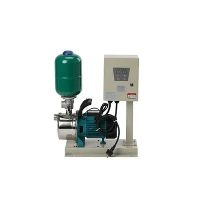
Hey there! As a supplier of VFD water pumps, I often get asked about the storage requirements for these pumps. It's a crucial topic because proper storage can significantly extend the lifespan of the pumps and ensure they're in top - notch condition when it's time to use them.
First off, let's understand what a VFD water pump is. A Variable Frequency Drive (VFD) water pump is a smart piece of equipment that can adjust its speed according to the water demand. This not only saves energy but also provides a more stable water supply. We offer a range of VFD water pumps, such as the Permanent Magnet Frequency Conversion Constant Pressure Pump, Lightweight Self - Priming Permanent Magnet Variable Frequency Pumps, and Stainless Steel Permanent Magnetic Frequency Conversion Pump.
Temperature and Humidity
One of the most important factors in storing VFD water pumps is the temperature and humidity of the storage area. These pumps are made up of sensitive electronic components and mechanical parts, and extreme conditions can cause damage.
The ideal temperature range for storing VFD water pumps is between 0°C and 40°C (32°F and 104°F). If the temperature gets too low, the lubricants in the pump may thicken, which can lead to problems when the pump is started up again. On the other hand, high temperatures can cause the electronic components to overheat and malfunction over time.
Humidity is also a big deal. The relative humidity in the storage area should be kept between 20% and 80%. High humidity can cause corrosion on the metal parts of the pump, especially if the pump is made of iron or steel. Moisture can also seep into the electronic components, leading to short - circuits or other electrical issues. If the storage area is prone to high humidity, you might want to use dehumidifiers to keep the moisture levels in check.
Storage Location
The location where you store your VFD water pumps matters a lot. The storage area should be clean and free from dust, dirt, and debris. Dust can accumulate on the pump's components, especially the cooling fins of the VFD unit, which can reduce the cooling efficiency and cause overheating.
It's also important to store the pumps in a place where they're protected from direct sunlight. Sunlight can cause the plastic and rubber parts of the pump to degrade over time. UV rays can make the rubber seals brittle, leading to leaks when the pump is used.
If possible, store the pumps indoors. An indoor storage facility provides better protection from the elements, such as rain, snow, and strong winds. However, if you have to store the pumps outdoors, make sure they're covered with a waterproof and UV - resistant tarp.
Positioning of the Pump
The way you position the VFD water pump during storage can affect its performance later. It's best to store the pump in an upright position. This helps to ensure that the lubricants in the pump are distributed evenly and that there's no unnecessary stress on the internal components.
If the pump has a motor, make sure the motor shaft is properly supported. An unsupported motor shaft can bend over time, which will cause the motor to vibrate and eventually fail.
Protection of Components
The VFD unit is one of the most critical parts of the VFD water pump. It's a complex electronic device that needs special protection during storage. You can use a protective cover specifically designed for the VFD unit to keep it safe from dust, moisture, and physical damage.
The pump's impeller is another important component. It's a rotating part that moves the water through the pump. To prevent damage to the impeller, you can use a protective cap or wrap it with a soft material. This will protect the impeller from scratches and dents, which can affect its efficiency.
Maintenance During Storage
Even when the VFD water pumps are in storage, they still need some maintenance. You should check the pumps periodically, at least once every three months. During these checks, you can inspect the pumps for any signs of damage, such as corrosion, cracks, or loose connections.
If you notice any signs of corrosion, you can clean the affected areas with a mild abrasive and apply a protective coating. For loose connections, tighten them to ensure that the pump will work properly when it's taken out of storage.
It's also a good idea to run the pump for a short period every six months. This helps to keep the lubricants flowing and the components moving. However, make sure you follow the proper startup procedures to avoid any damage to the pump.
Packaging
When storing the VFD water pumps, proper packaging can provide an extra layer of protection. If the pumps come with their original packaging, use it. The original packaging is usually designed to protect the pump during shipping and storage.
If you don't have the original packaging, you can use a sturdy cardboard box or a wooden crate. Line the inside of the box or crate with a soft material, such as foam or bubble wrap, to cushion the pump and protect it from impacts.
Documentation
Keep all the documentation related to the VFD water pumps in a safe place. This includes the user manual, installation guide, warranty information, and any maintenance records. Having this documentation on hand will make it easier to install, operate, and maintain the pumps when they're taken out of storage.
Conclusion
In conclusion, proper storage of VFD water pumps is essential to ensure their long - term performance and reliability. By paying attention to factors such as temperature, humidity, storage location, positioning, and component protection, you can keep your pumps in excellent condition.
If you're in the market for high - quality VFD water pumps or have any questions about their storage requirements, feel free to reach out. We're here to help you make the right choices and ensure that your pumps serve you well for years to come. Let's talk and see how we can meet your water pumping needs!


References
- General guidelines on industrial equipment storage from industry - standard manuals.
- Manufacturer's recommendations for VFD water pump storage.