What is the sensitivity setting for a household water pump controller used in different applications?
As a seasoned supplier of household water pump controllers, I've witnessed firsthand the pivotal role that sensitivity settings play in optimizing the performance of water pumps across various applications. In this blog post, I'll delve into the intricacies of sensitivity settings, exploring how they impact the functionality of water pump controllers and offering insights on how to choose the right settings for different scenarios.
Understanding Sensitivity Settings
Before we dive into the specifics of sensitivity settings for different applications, it's essential to understand what sensitivity means in the context of a water pump controller. Sensitivity refers to the controller's responsiveness to changes in water pressure or flow rate. A highly sensitive controller will detect even minor fluctuations in pressure or flow and adjust the pump's operation accordingly, while a less sensitive controller may require more significant changes to trigger a response.
The sensitivity setting of a water pump controller is typically adjustable, allowing users to customize the controller's behavior based on their specific needs. By adjusting the sensitivity, users can ensure that the pump operates efficiently, avoiding unnecessary cycling and reducing wear and tear on the pump and other components.
Sensitivity Settings for Different Applications
Residential Water Supply
In a residential setting, the primary function of a water pump controller is to maintain a consistent water pressure throughout the house. The sensitivity setting for a residential water pump controller should be set to a level that allows the pump to respond quickly to changes in water demand while avoiding excessive cycling.
For most residential applications, a medium sensitivity setting is recommended. This setting ensures that the pump starts and stops smoothly in response to changes in water usage, such as when a faucet is turned on or off. A medium sensitivity setting also helps to prevent the pump from cycling too frequently, which can lead to premature wear and tear on the pump and other components.
However, in some cases, a higher or lower sensitivity setting may be required. For example, if the house has a large number of water fixtures or if the water demand varies significantly throughout the day, a higher sensitivity setting may be necessary to ensure that the pump can keep up with the demand. On the other hand, if the water supply is relatively stable and the demand is low, a lower sensitivity setting may be sufficient to maintain a consistent water pressure.
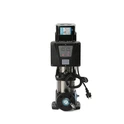
When choosing a water pump controller for a residential application, it's important to consider the specific needs of the household. Wide Voltage Water Pump Controller is a great option for residential use, as it offers a wide range of sensitivity settings and can be easily adjusted to meet the needs of different households.
Irrigation Systems
Irrigation systems are another common application for household water pump controllers. In an irrigation system, the pump is used to supply water to sprinklers or drip emitters, and the sensitivity setting of the controller plays a crucial role in ensuring that the system operates efficiently.
For irrigation systems, a lower sensitivity setting is typically recommended. This is because the water demand in an irrigation system is relatively constant, and the pump does not need to respond quickly to minor changes in pressure or flow. A lower sensitivity setting helps to prevent the pump from cycling too frequently, which can waste energy and reduce the lifespan of the pump.
However, it's important to note that the sensitivity setting for an irrigation system may need to be adjusted based on the size and layout of the system, as well as the type of sprinklers or drip emitters being used. For example, if the irrigation system covers a large area or if the sprinklers have a high flow rate, a higher sensitivity setting may be necessary to ensure that the pump can maintain a consistent water pressure.
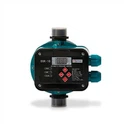
G1.25 Water Pump Controller is a popular choice for irrigation systems, as it offers a low sensitivity setting and can be easily integrated with existing irrigation systems.
Booster Pump Applications
Booster pumps are used to increase the water pressure in a building or system where the existing water pressure is insufficient. In a booster pump application, the sensitivity setting of the controller is critical to ensure that the pump operates efficiently and provides the necessary pressure boost.
For booster pump applications, a high sensitivity setting is typically recommended. This is because the pump needs to respond quickly to changes in water demand to maintain a consistent water pressure. A high sensitivity setting ensures that the pump starts and stops immediately when the water pressure drops below or rises above the setpoint, preventing water hammer and other issues.
However, it's important to note that a high sensitivity setting can also cause the pump to cycle more frequently, which can increase energy consumption and reduce the lifespan of the pump. Therefore, it's important to choose a water pump controller that offers a range of sensitivity settings and can be adjusted to meet the specific needs of the booster pump application.
High Quality Water Pump Controller is an excellent choice for booster pump applications, as it offers a high sensitivity setting and can be easily adjusted to provide the optimal pressure boost.
Factors to Consider When Adjusting Sensitivity Settings
When adjusting the sensitivity setting of a water pump controller, there are several factors that need to be considered. These factors include:
Water Demand
The water demand in the application is one of the most important factors to consider when adjusting the sensitivity setting. If the water demand is high or varies significantly, a higher sensitivity setting may be necessary to ensure that the pump can keep up with the demand. On the other hand, if the water demand is low or relatively stable, a lower sensitivity setting may be sufficient.
Pipe Size and Length
The size and length of the pipes in the water system can also affect the sensitivity setting of the water pump controller. If the pipes are small or long, the water pressure may drop more quickly when the water is turned on, requiring a higher sensitivity setting to ensure that the pump can respond quickly. Conversely, if the pipes are large or short, the water pressure may be more stable, allowing for a lower sensitivity setting.
Pump Capacity
The capacity of the pump is another important factor to consider when adjusting the sensitivity setting. If the pump has a high capacity, it may be able to handle larger changes in water demand without cycling too frequently, allowing for a lower sensitivity setting. On the other hand, if the pump has a low capacity, a higher sensitivity setting may be necessary to ensure that the pump can keep up with the demand.
Conclusion
In conclusion, the sensitivity setting of a household water pump controller is a critical factor in ensuring that the pump operates efficiently and effectively in different applications. By understanding the concept of sensitivity and considering the specific needs of the application, users can choose the right sensitivity setting for their water pump controller and optimize the performance of their water system.
As a supplier of high-quality household water pump controllers, we offer a wide range of products that are designed to meet the needs of different applications. Our controllers are easy to install, operate, and adjust, and they come with a range of features and settings to ensure optimal performance.


If you're looking for a reliable and efficient water pump controller for your household or business, please don't hesitate to contact us. We'd be happy to help you choose the right product for your needs and provide you with the support and guidance you need to ensure a successful installation and operation.
References
- Pump Handbook, by Igor Karassik et al.
- Water Supply and Sewerage, by American Water Works Association.
- Irrigation System Design and Installation Manual, by Rain Bird Corporation.