In the realm of water pump systems, the relationship between the frequency and the speed of a water pump with a frequency inverter is a topic of significant importance. As a dedicated supplier of Water Pump Frequency Inverters, I've witnessed firsthand how understanding this relationship can revolutionize water pumping operations, leading to enhanced efficiency, cost savings, and extended equipment lifespan. In this blog, we'll delve deep into this relationship, exploring its theoretical underpinnings, practical implications, and the value it brings to various applications.
Theoretical Foundation: The Link between Frequency and Speed
To grasp the relationship between frequency and speed in a water pump with a frequency inverter, we first need to understand the fundamental principles of electric motors, which are the driving force behind most water pumps. In an AC (alternating current) motor, the speed of the motor is directly proportional to the frequency of the power supply and inversely proportional to the number of poles in the motor. This relationship is described by the following formula:
[N = \frac{120f}{P}]
Where:
- (N) is the synchronous speed of the motor in revolutions per minute (RPM)
- (f) is the frequency of the power supply in Hertz (Hz)
- (P) is the number of poles in the motor
From this formula, we can see that if the number of poles in the motor remains constant, the speed of the motor will increase or decrease in direct proportion to the frequency of the power supply. For example, if the frequency of the power supply is doubled, the speed of the motor will also double, assuming all other factors remain the same.


This relationship is the basis for the operation of frequency inverters in water pump systems. A frequency inverter, also known as a variable frequency drive (VFD), is a device that can vary the frequency and voltage of the power supply to an electric motor. By adjusting the frequency of the power supply, the frequency inverter can control the speed of the motor, and thus the speed of the water pump.
Practical Implications: Benefits of Controlling Pump Speed
The ability to control the speed of a water pump using a frequency inverter offers several practical benefits in real-world applications.
Energy Efficiency
One of the most significant advantages of using a frequency inverter to control the speed of a water pump is energy efficiency. In many water pumping applications, the demand for water varies throughout the day. For example, in a building's water supply system, the demand for water is typically higher during the morning and evening when people are using water for activities such as bathing, cooking, and washing. During other times of the day, the demand for water may be much lower.
In a traditional water pump system without a frequency inverter, the pump runs at a constant speed, regardless of the actual demand for water. This means that the pump may be consuming more energy than necessary, especially during periods of low demand. By using a frequency inverter to control the speed of the pump, the pump can be adjusted to run at a lower speed during periods of low demand, reducing energy consumption and saving on electricity costs.
The energy savings achieved by using a frequency inverter can be substantial. According to some studies, the energy consumption of a water pump can be reduced by up to 50% by using a frequency inverter to control the pump speed. This not only results in significant cost savings for the user but also contributes to environmental sustainability by reducing the overall energy consumption and carbon footprint.
Extended Equipment Lifespan
Another benefit of using a frequency inverter to control the speed of a water pump is the extended lifespan of the equipment. In a traditional water pump system, the pump is often subjected to frequent starts and stops, which can cause mechanical stress and wear on the pump components. This can lead to premature failure of the pump and increase the maintenance and replacement costs.
By using a frequency inverter to control the speed of the pump, the pump can be started and stopped gradually, reducing the mechanical stress on the pump components. Additionally, the frequency inverter can also protect the pump from overloading and overheating by adjusting the pump speed according to the actual load. This helps to extend the lifespan of the pump and reduce the maintenance and replacement costs.
Precise Flow and Pressure Control
In many water pumping applications, precise control of the flow rate and pressure of the water is essential. For example, in a water treatment plant, the flow rate and pressure of the water need to be carefully controlled to ensure the proper operation of the treatment processes. In a building's water supply system, the pressure of the water needs to be maintained at a constant level to ensure the proper functioning of the plumbing fixtures.
A frequency inverter allows for precise control of the speed of the water pump, which in turn allows for precise control of the flow rate and pressure of the water. By adjusting the pump speed according to the actual demand for water, the frequency inverter can maintain a constant flow rate and pressure, even when the demand for water varies. This helps to improve the efficiency and reliability of the water pumping system and ensures the proper operation of the downstream equipment.
Our Product Offerings: Meeting Diverse Needs
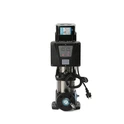
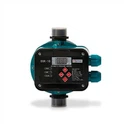
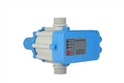
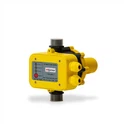
As a supplier of Water Pump Frequency Inverters, we offer a wide range of products to meet the diverse needs of our customers. Our product portfolio includes Knapsack Water Pump Inverter, Water-cooled Inverter VFA - 60L Series, and Wall-mounted Water Pump Inverter.
- Knapsack Water Pump Inverter: This inverter is designed for portable water pump applications, such as agricultural irrigation and small-scale water supply systems. It is lightweight and easy to carry, making it ideal for use in remote areas where access to power is limited.
- Water-cooled Inverter VFA - 60L Series: This series of inverters is suitable for high-power water pump applications, such as industrial water supply and large-scale water treatment plants. The water-cooled design ensures efficient heat dissipation, allowing the inverter to operate continuously under high load conditions.
- Wall-mounted Water Pump Inverter: This inverter is designed for indoor water pump applications, such as building water supply systems and HVAC systems. It is compact and easy to install, making it ideal for use in limited space environments.
Conclusion: The Value of Understanding the Relationship
In conclusion, the relationship between the frequency and the speed of a water pump with a frequency inverter is a crucial concept in the field of water pumping systems. By understanding this relationship and using a frequency inverter to control the speed of the water pump, users can achieve significant benefits, including energy efficiency, extended equipment lifespan, and precise flow and pressure control.
As a supplier of Water Pump Frequency Inverters, we are committed to providing our customers with high-quality products and professional technical support. If you are interested in learning more about our products or have any questions about the relationship between frequency and speed in water pump systems, please feel free to contact us. We look forward to collaborating with you to find the best solution for your water pumping needs.
References
- Chapman, Stephen J. Electric Machinery Fundamentals. McGraw - Hill Education, 2012.
- Mottram, Nigel. Variable Speed Drives: Selection, Application and Maintenance. Newnes, 2006.
- IEEE Industry Applications Society. IEEE Recommended Practice for Application of Adjustable - Speed Voltage - Source Inverters for Induction Motors. IEEE, 2008.