As a supplier of Stainless Steel Five - Ways, I often get asked about the pressure - bearing capacity of these essential components. In this blog, I'll delve into the details of what determines the pressure - bearing capacity of Stainless Steel Five - Ways, why it matters, and how you can make the right choices for your applications.


Understanding Stainless Steel Five - Ways
Stainless Steel Five - Ways are multi - port fittings that are commonly used in various fluid systems, such as water distribution, hydraulic systems, and chemical processing. They have five ports, which allow for the connection of multiple pipes or hoses, enabling the distribution or collection of fluids in a more complex way compared to simple two - way or three - way fittings.
The choice of stainless steel as the material for these five - ways offers several advantages. Stainless steel is highly resistant to corrosion, which is crucial in environments where the fluid being transported may be corrosive, such as in chemical plants or in areas with high humidity. It also has good mechanical properties, including high strength and toughness, which contribute to its ability to withstand pressure.
Factors Affecting the Pressure - Bearing Capacity
Material Grade
Not all stainless steels are created equal. Different grades of stainless steel have different chemical compositions and mechanical properties, which directly affect their pressure - bearing capacity. For example, austenitic stainless steels like 304 and 316 are widely used in Five - Ways. Grade 316 stainless steel contains molybdenum, which enhances its corrosion resistance, especially in chloride - rich environments. In terms of pressure resistance, these grades can typically withstand moderate to high pressures, but the exact capacity depends on other factors as well.
Wall Thickness
The wall thickness of the Stainless Steel Five - Way is a critical factor in determining its pressure - bearing capacity. A thicker wall can better resist the internal pressure exerted by the fluid. When designing or selecting a Five - Way, engineers need to consider the maximum pressure that the system will experience and choose an appropriate wall thickness accordingly. For high - pressure applications, a Five - Way with a thicker wall is usually required.
Manufacturing Process
The manufacturing process of the Stainless Steel Five - Way also plays a significant role in its pressure - bearing capacity. Precision manufacturing techniques, such as forging or machining, can ensure a more uniform wall thickness and better internal structure, which improves the overall strength of the fitting. On the other hand, poorly manufactured Five - Ways may have defects, such as porosity or uneven wall thickness, which can weaken the fitting and reduce its pressure - bearing capacity.
Design and Geometry
The design and geometry of the Five - Way can affect how the pressure is distributed within the fitting. A well - designed Five - Way will have smooth transitions between ports and a shape that minimizes stress concentrations. For example, rounded corners and proper port sizing can help to reduce the likelihood of pressure - induced failures.
Importance of Pressure - Bearing Capacity
System Safety
Ensuring that the Stainless Steel Five - Way has an adequate pressure - bearing capacity is crucial for the safety of the entire fluid system. If the fitting fails due to insufficient pressure resistance, it can lead to fluid leaks, which may cause damage to equipment, contaminate the environment, or even pose a risk to personnel. For instance, in a hydraulic system, a sudden failure of a Five - Way can result in a loss of pressure control, leading to unexpected movements of machinery.
System Performance
The pressure - bearing capacity of the Five - Way also affects the performance of the fluid system. If the fitting cannot withstand the required pressure, it may cause pressure drops, which can reduce the efficiency of the system. In a water distribution system, for example, a pressure drop in the Five - Way can result in reduced water flow to certain areas, affecting the functionality of the entire system.
Testing the Pressure - Bearing Capacity
To ensure the quality and reliability of Stainless Steel Five - Ways, they are typically subjected to pressure testing. There are several methods for pressure testing, including hydrostatic testing and pneumatic testing.
Hydrostatic testing involves filling the Five - Way with a liquid, usually water, and then applying a pressure that is higher than the normal operating pressure for a specified period. This test can detect any leaks or weaknesses in the fitting. Pneumatic testing, on the other hand, uses compressed air or gas to apply pressure. However, pneumatic testing is generally considered more dangerous than hydrostatic testing because of the potential for a sudden and violent release of energy if the fitting fails.
Applications and Pressure Requirements
Different applications have different pressure requirements for Stainless Steel Five - Ways.
Water Supply Systems
In domestic and commercial water supply systems, the pressure is usually relatively low, typically ranging from 2 to 8 bar. Stainless Steel Five - Ways used in these systems need to be able to withstand these pressures while also being resistant to corrosion from the water. For example, in a building's plumbing system, a Five - Way may be used to distribute water to different floors or rooms.
Hydraulic Systems
Hydraulic systems often operate at much higher pressures, sometimes exceeding 100 bar. In these systems, the Stainless Steel Five - Ways need to be designed and manufactured to withstand these high pressures. They are used to connect different hydraulic components, such as pumps, valves, and cylinders, and ensure the smooth flow of hydraulic fluid.
Chemical Processing
In chemical processing plants, the pressure requirements can vary widely depending on the specific process. The Stainless Steel Five - Ways used in these applications not only need to withstand high pressures but also be resistant to the corrosive effects of the chemicals being processed. For example, in a chemical reactor system, a Five - Way may be used to control the flow of reactants and products.
Related Accessories
When considering the pressure - bearing capacity of Stainless Steel Five - Ways, it's also important to think about the related accessories that can enhance the performance and safety of the system.
- Automatic Pump Mechanical Switch: This switch can be used to control the operation of the pump based on the pressure in the system. It can help to maintain a stable pressure and prevent over - pressurization.
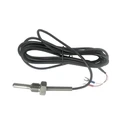
- Temperature Sensor: Temperature can affect the pressure - bearing capacity of the Stainless Steel Five - Way. A temperature sensor can monitor the temperature of the fluid in the system and provide feedback to adjust the system parameters if necessary.
- VLF - 309 Pressure Transmitter: This device can accurately measure the pressure in the system and transmit the data to a control panel. It can help operators to monitor the pressure and take appropriate actions in case of abnormal pressure changes.
Conclusion
The pressure - bearing capacity of Stainless Steel Five - Ways is a complex topic that is influenced by multiple factors, including material grade, wall thickness, manufacturing process, and design. Understanding these factors is essential for ensuring the safety and performance of fluid systems. As a supplier of Stainless Steel Five - Ways, I am committed to providing high - quality products that meet the diverse pressure requirements of different applications.
If you are in need of Stainless Steel Five - Ways for your project or have any questions about their pressure - bearing capacity, I encourage you to reach out to me for further discussion and procurement. We can work together to find the best solutions for your specific needs.
References
- "Handbook of Stainless Steels" by George E. Totten, D. Scott MacKenzie
- "Fluid Power Technology" by Anthony Esposito
- Industry standards and guidelines related to stainless steel fittings and pressure vessels.