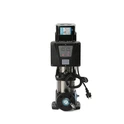
As a supplier of Clean Water Pump Controllers, one of the most frequently asked questions I encounter is about the power consumption of these controllers. Understanding the power consumption of a clean water pump controller is crucial for several reasons, including cost - efficiency, energy conservation, and overall system performance.


Factors Affecting Power Consumption
The power consumption of a clean water pump controller is influenced by multiple factors. First and foremost is the type of controller. There are basic on - off controllers, which are relatively simple in design. These controllers typically consume less power because their operation is straightforward: they turn the pump on when the pressure drops below a certain set point and turn it off when the pressure reaches the upper limit.
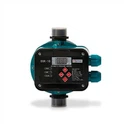
On the other hand, more advanced controllers such as the Digital Display Water Pump Pressure Controller come with additional features. Digital displays require power to operate, and controllers with built - in sensors and intelligent functions also consume more energy. These advanced controllers can provide real - time pressure readings, adjust pump operation based on different conditions, and even communicate with other devices in a smart home or industrial system. However, this increased functionality comes at the cost of higher power consumption.
Another significant factor is the size and capacity of the pump that the controller is paired with. A larger pump generally requires a more powerful controller to manage its operation. For example, a 2.2KW Electric Water Pump Pressure Switch is designed to handle a pump with a 2.2 - kilowatt power rating. The controller needs to be able to send sufficient electrical signals to start and stop the pump, as well as monitor and regulate its operation. As a result, a controller for a larger pump will consume more power compared to one for a smaller pump.
The frequency of pump operation also affects power consumption. If a pump is constantly starting and stopping, the controller has to work more frequently to manage these transitions. Each start - stop cycle requires a certain amount of power to activate the control mechanisms. In contrast, if the pump operates continuously at a stable rate, the controller can maintain a more consistent state, which may lead to lower power consumption.
Measuring Power Consumption
Measuring the power consumption of a clean water pump controller can be done using a power meter. This device can be connected between the controller and the power source to accurately measure the amount of electricity being used. The power consumption is usually measured in watts (W) or kilowatts (kW). To calculate the energy consumption over a period of time, you can multiply the power consumption in kilowatts by the number of hours of operation. For example, if a controller has a power consumption of 10 watts and operates for 24 hours a day, the daily energy consumption is 10 W × 24 h = 240 watt - hours or 0.24 kilowatt - hours.
It's important to note that the power consumption may vary depending on the operating conditions. For instance, if the pump is operating under high - pressure conditions, the controller may need to work harder to maintain the desired pressure, resulting in increased power consumption.
Impact on Cost and Energy Efficiency
Power consumption directly impacts the cost of operating a clean water pump system. Higher power consumption means higher electricity bills. For residential users, this can add up over time, especially if the pump is used frequently. In an industrial setting, the cost implications can be even more significant. A large - scale water pumping system with multiple pumps and controllers can consume a substantial amount of electricity, and reducing the power consumption of the controllers can lead to significant cost savings.
Energy efficiency is also a major concern in today's world. By choosing a more energy - efficient clean water pump controller, users can contribute to reducing their carbon footprint. Many modern controllers are designed with energy - saving features. For example, the Intelligent Adjustable Pressure Pump Control Switch can optimize the pump operation based on the actual water demand. It can adjust the pump speed and pressure settings to minimize energy waste. When the water demand is low, the controller can reduce the pump's power output, thereby reducing power consumption.
Choosing the Right Controller Based on Power Consumption
When selecting a clean water pump controller, power consumption should be an important consideration. If you are on a tight budget and have a relatively simple water pumping system, a basic on - off controller may be the best choice. These controllers have low power consumption and are cost - effective. However, if you need advanced features such as real - time monitoring, remote control, or intelligent adjustment, you may need to invest in a more advanced controller.
It's also essential to consider the long - term costs. A more energy - efficient controller may have a higher upfront cost but can save you money on electricity bills in the long run. You should compare the power consumption and price of different controllers before making a decision.
Tips to Reduce Power Consumption
There are several ways to reduce the power consumption of a clean water pump controller. Firstly, ensure that the pump and controller are properly sized for your water system. An oversized pump or controller will consume more power than necessary. Secondly, regular maintenance of the pump and controller can help ensure optimal performance. Clean the sensors, check the electrical connections, and replace any worn - out parts.
You can also adjust the pressure settings of the controller to match the actual water demand. For example, if you don't need a very high water pressure all the time, you can lower the upper pressure limit on the controller. This can reduce the frequency of pump operation and thus lower power consumption.
Conclusion
In conclusion, the power consumption of a clean water pump controller is affected by various factors such as the type of controller, the size of the pump, and the frequency of operation. Measuring the power consumption accurately can help you understand the energy usage of your water pumping system. By choosing the right controller and implementing energy - saving measures, you can reduce the cost of operation and contribute to a more sustainable future.
If you are interested in learning more about our Clean Water Pump Controllers or would like to discuss your specific requirements, we invite you to contact us for a procurement discussion. Our team of experts can provide you with detailed information and help you select the most suitable controller for your needs.
References
- "Water Pump Systems: Design and Operation" - A technical guide on water pump systems, including information on pump controllers and power consumption.
- Industry reports on energy - efficient water pump controllers, which provide data on power consumption and cost - saving potential.