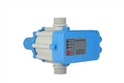
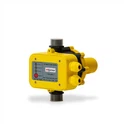
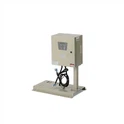
As a supplier of Knapsack Water Pump Inverters, I often receive inquiries about the power adjustment range of these essential devices. Understanding this range is crucial for users as it directly impacts the performance and efficiency of their water pumps. In this blog, I'll delve into the details of the power adjustment range of Knapsack Water Pump Inverters, explain its significance, and provide insights to help you make informed decisions.
What is a Knapsack Water Pump Inverter?
Before we explore the power adjustment range, let's briefly understand what a Knapsack Water Pump Inverter is. It is a specialized device designed to control the speed and power of a water pump. By adjusting the frequency of the electrical supply, the inverter can regulate the pump's motor speed, which in turn affects the water flow rate and pressure. This feature makes it highly versatile and suitable for various applications, such as agricultural irrigation, garden watering, and small - scale water transfer.
The Importance of Power Adjustment Range
The power adjustment range of a Knapsack Water Pump Inverter is a key specification that determines its flexibility and adaptability. A wider power adjustment range allows the inverter to operate the pump at different power levels, catering to diverse requirements. For example, in situations where a small amount of water needs to be pumped over a short distance, the inverter can reduce the pump's power consumption, saving energy and extending the pump's lifespan. On the other hand, when a large volume of water needs to be pumped to a higher elevation or over a longer distance, the inverter can increase the pump's power output to meet the demand.
Typical Power Adjustment Range
The power adjustment range of Knapsack Water Pump Inverters can vary depending on the model and manufacturer. Generally, most inverters on the market offer a power adjustment range from around 20% to 100% of the pump's rated power. This means that the inverter can reduce the pump's power output to as low as 20% of its maximum capacity and increase it up to 100%.
For instance, if you have a water pump with a rated power of 1000 watts, an inverter with a 20% - 100% power adjustment range can operate the pump at power levels ranging from 200 watts (20% of 1000 watts) to 1000 watts. This wide range provides users with the flexibility to fine - tune the pump's performance according to their specific needs.


Factors Affecting the Power Adjustment Range
Several factors can influence the power adjustment range of a Knapsack Water Pump Inverter.
Pump Characteristics
The design and specifications of the water pump itself play a significant role. Some pumps are more adaptable to variable power operation than others. Pumps with a more robust motor design and better insulation can typically handle a wider power adjustment range without overheating or experiencing mechanical stress.
Inverter Quality
The quality of the inverter is also crucial. High - quality inverters are equipped with advanced control algorithms and components that can accurately regulate the power output. They are better able to maintain stable operation across the entire power adjustment range, ensuring reliable performance and preventing damage to the pump.
Environmental Conditions
Environmental factors such as temperature, humidity, and altitude can affect the power adjustment range. Extreme temperatures can cause the inverter's components to overheat or underperform, reducing its ability to adjust the power effectively. High humidity can lead to corrosion of electrical components, while high altitude can affect the pump's performance due to lower air pressure.
Applications Based on Power Adjustment Range
The power adjustment range of a Knapsack Water Pump Inverter makes it suitable for a variety of applications.
Agricultural Irrigation
In agricultural settings, the water demand can vary depending on the crop type, growth stage, and soil conditions. An inverter with a wide power adjustment range can be used to adjust the pump's power output according to these factors. For example, during the germination stage, a lower power setting can be used to provide a gentle and consistent water supply. As the plants grow, the power can be increased to meet the higher water demand.
Garden Watering
For gardeners, a Knapsack Water Pump Inverter allows for precise control of water flow. When watering delicate plants, a lower power setting can be selected to avoid over - watering and damage to the plants. When watering larger areas or filling a water storage tank, a higher power setting can be used to speed up the process.
Small - scale Water Transfer
In situations where water needs to be transferred from one location to another, such as draining a flooded basement or filling a small pond, the power adjustment range of the inverter can be used to optimize the pumping process. A lower power setting can be used for slow and steady water transfer, while a higher power setting can be used for quick and efficient transfer.
Our Product Offerings
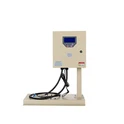
As a supplier, we offer a range of Knapsack Water Pump Inverters with different power adjustment ranges to meet the diverse needs of our customers. In addition to our knapsack models, we also provide other types of water pump inverters, such as the LCD Display Box Water Pump Inverter, which features an easy - to - read LCD display for convenient operation; the Wall - mounted Water Pump Inverter, which is designed for easy installation on walls; and the 110V Water Pump Inverter Controller, suitable for use in areas with 110V power supply.
Contact Us for Procurement
If you are interested in our Knapsack Water Pump Inverters or any of our other products, we encourage you to contact us for procurement and further discussions. Our team of experts is ready to assist you in selecting the right inverter based on your specific requirements. Whether you need advice on power adjustment range, installation, or maintenance, we are here to help.
References
- "Water Pump Inverter Handbook" - A comprehensive guide on the principles and applications of water pump inverters.
- Industry research reports on the latest trends and technologies in water pump inverter design.