Hey there! As a supplier of water pump pressure sensors, I often get asked about the overload capacity of these nifty little devices. So, let's dive right in and break it down.
First off, what exactly is the overload capacity of a water pump pressure sensor? Well, it's basically the maximum pressure that the sensor can handle without getting damaged or giving inaccurate readings. Think of it like the weight limit on a bridge. If you try to drive a super-heavy truck over a bridge that's only designed to handle a certain amount of weight, the bridge might collapse or get all wonky. Similarly, if you subject a water pump pressure sensor to a pressure that's higher than its overload capacity, it can mess up the sensor's performance.
Now, why does the overload capacity matter? It's crucial because in real-world applications, water pumps can sometimes experience sudden spikes in pressure. For example, when a valve closes suddenly, it can cause a surge in pressure in the water system. If the pressure sensor can't handle these spikes, it might fail, leading to inaccurate pressure readings. And inaccurate pressure readings can be a big problem. It could cause the water pump to operate inefficiently, or in some cases, it could even lead to damage to the pump or other components in the water system.
So, how do we determine the overload capacity of a water pump pressure sensor? Well, it depends on a few factors. One of the main factors is the type of sensor. There are different types of water pump pressure sensors, such as piezoresistive sensors and capacitive sensors. Each type has its own characteristics and capabilities when it comes to handling pressure.
Piezoresistive sensors, for example, work based on the principle that the resistance of a material changes when it's subjected to pressure. These sensors are known for their high accuracy and relatively good overload capacity. They can usually handle short-term pressure spikes that are significantly higher than their normal operating pressure. However, if the pressure spike is too high or lasts for too long, it can still damage the sensor.
Capacitive sensors, on the other hand, measure pressure by detecting changes in capacitance. They are often more sensitive than piezoresistive sensors, but they might have a lower overload capacity. This means that they are more likely to be damaged by high-pressure spikes.
Another factor that affects the overload capacity is the construction of the sensor. Sensors that are built with high-quality materials and have a robust design are generally able to handle higher pressures. For example, sensors with a thick diaphragm or a strong housing are more likely to withstand pressure spikes without getting damaged.


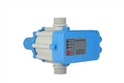
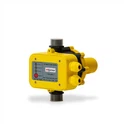
At our company, we offer a range of water pump pressure sensors with different overload capacities to meet the needs of various applications. For example, our VLF - 309 Pressure Transmitter is designed to handle a moderate amount of pressure spikes. It's a great choice for applications where the pressure doesn't fluctuate too wildly. On the other hand, our VLF - 516 Pressure Transmitter has a higher overload capacity, making it suitable for applications where there are more frequent and higher-pressure spikes.
It's also important to note that the overload capacity is usually specified in terms of a short - term and long - term rating. The short - term overload capacity is the maximum pressure that the sensor can handle for a very short period of time, usually a few milliseconds to a few seconds. The long - term overload capacity is the maximum pressure that the sensor can handle continuously without getting damaged.
When choosing a water pump pressure sensor, it's essential to consider the expected pressure range in your application. You need to make sure that the sensor's overload capacity is high enough to handle any potential pressure spikes. If you're not sure what the pressure range will be, it's a good idea to consult with an expert or do some testing.
In addition to the overload capacity, there are other features to consider when choosing a water pump pressure sensor. For example, the accuracy of the sensor is important. You want a sensor that can provide accurate pressure readings within a certain tolerance. The response time is also crucial. A fast - responding sensor can quickly detect changes in pressure, which is important for maintaining the efficiency of the water pump.
And let's not forget about the durability of the sensor. Water pump pressure sensors are often exposed to harsh environments, such as high temperatures, moisture, and chemicals. So, you need a sensor that can withstand these conditions.
If you're in the market for a water pump pressure sensor, we also offer other related products, like the Water Pump Float Switch. This switch can be used to control the operation of the water pump based on the water level. It's a great addition to any water pump system.
In conclusion, understanding the overload capacity of a water pump pressure sensor is essential for ensuring the proper operation of your water pump system. By choosing a sensor with the right overload capacity and other features, you can improve the efficiency, reliability, and longevity of your water pump.
If you're interested in learning more about our water pump pressure sensors or have any questions about choosing the right sensor for your application, don't hesitate to reach out. We're here to help you make the best decision for your needs. Whether you're a small - scale homeowner or a large - scale industrial user, we have the products and expertise to meet your requirements. Let's talk and see how we can work together to get your water pump system running at its best.
References
- Principles of Pressure Measurement - A textbook on pressure measurement techniques and sensor technology.
- Handbook of Water Pump Systems - A comprehensive guide on the design, operation, and maintenance of water pump systems.