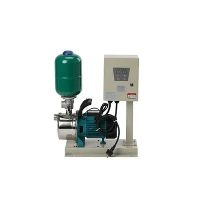
As a supplier of Stainless Steel Five - Ways, I am often asked about the noise - reduction performance of these products. In this blog, I will delve into the details of the noise - reduction capabilities of Stainless Steel Five - Ways, exploring the principles behind it, the factors that affect it, and its practical applications.
Understanding Stainless Steel Five - Ways
Before discussing the noise - reduction performance, it's essential to understand what a Stainless Steel Five - Way is. A Stainless Steel Five - Way is a crucial component in many fluid systems, especially those involving water pumps and HVAC systems. It is designed to distribute fluid in five different directions, allowing for complex fluid flow patterns. The use of stainless steel in its construction provides durability, corrosion resistance, and high - temperature tolerance.
The Principle of Noise Reduction in Stainless Steel Five - Ways
Noise in fluid systems is often caused by turbulent flow, pressure fluctuations, and mechanical vibrations. Stainless Steel Five - Ways are engineered to minimize these sources of noise.
-
Smooth Internal Surface
The internal surface of a well - crafted Stainless Steel Five - Way is extremely smooth. This smoothness reduces the friction between the fluid and the inner walls of the five - way. When fluid flows through a rough surface, it creates eddies and turbulence, which are major sources of noise. By providing a smooth path for the fluid, the Stainless Steel Five - Way allows for laminar flow, which is much quieter. -
Proper Design Geometry
The design geometry of a Stainless Steel Five - Way plays a significant role in noise reduction. The angles and curves of the five - way are carefully calculated to ensure a gradual change in the direction of fluid flow. Abrupt changes in flow direction can cause pressure spikes and turbulence. A well - designed five - way will minimize these sudden changes, resulting in a more stable and quieter fluid flow. -
Vibration Damping
Stainless steel has inherent vibration - damping properties. When the fluid system is in operation, mechanical vibrations can be transmitted through the components. These vibrations can cause noise as they interact with the surrounding environment. The stainless steel material in the five - way helps to absorb and dissipate these vibrations, reducing the overall noise level.
Factors Affecting the Noise - Reduction Performance
While Stainless Steel Five - Ways are designed for noise reduction, several factors can influence their performance.
-
Fluid Velocity
The velocity of the fluid flowing through the five - way is a critical factor. High fluid velocities can increase the likelihood of turbulence and pressure fluctuations, leading to more noise. If the fluid velocity is too high, even a well - designed five - way may not be able to completely eliminate the noise. Therefore, it is important to ensure that the fluid velocity is within the recommended range for the specific five - way. -
Fluid Viscosity
The viscosity of the fluid also affects the noise - reduction performance. High - viscosity fluids tend to flow more slowly and are less likely to create turbulence. On the other hand, low - viscosity fluids can flow more freely and may be more prone to turbulence. When selecting a Stainless Steel Five - Way, it is necessary to consider the viscosity of the fluid in the system. -
System Pressure
The pressure within the fluid system can impact the noise level. High system pressures can cause the fluid to flow more forcefully, increasing the risk of turbulence and noise. A Stainless Steel Five - Way needs to be able to withstand the system pressure without deforming or causing excessive noise. Proper pressure ratings should be considered during the selection process.
Practical Applications of Noise - Reducing Stainless Steel Five - Ways
Stainless Steel Five - Ways with good noise - reduction performance are widely used in various industries.
-
HVAC Systems
In HVAC (Heating, Ventilation, and Air Conditioning) systems, quiet operation is essential. The use of Stainless Steel Five - Ways helps to reduce the noise generated by the circulation of refrigerant or water. This is particularly important in commercial and residential buildings where noise can be a major annoyance. A quieter HVAC system not only provides a more comfortable environment but also reduces the need for additional sound - insulation measures. -
Water Pump Systems
Water pump systems often generate a significant amount of noise due to the high - speed movement of water. Stainless Steel Five - Ways can be used to distribute the water in a more controlled and quiet manner. They can be found in industrial water supply systems, municipal water treatment plants, and even in home water pumps. By reducing the noise, these five - ways improve the overall efficiency and user experience of the water pump systems. -
Industrial Fluid Handling
In industrial settings, fluid handling systems can be very noisy. Stainless Steel Five - Ways are used to manage the flow of various fluids, such as chemicals, oils, and coolants. Their noise - reduction capabilities are crucial in maintaining a safe and comfortable working environment. Additionally, reduced noise can also indicate a more stable and efficient fluid flow, which is beneficial for the overall performance of the industrial processes.

Comparison with Other Components
When considering noise reduction in fluid systems, it's important to compare Stainless Steel Five - Ways with other components. For example, Industrial Plastic Expansion Tanks are also used in fluid systems. While they can help with pressure regulation, their noise - reduction capabilities are often limited compared to Stainless Steel Five - Ways. Plastic materials may not have the same vibration - damping properties as stainless steel, and they may be more prone to noise caused by fluid - plastic interactions.
Temperature Sensors and Temperature Transmitters are mainly used for monitoring and controlling the temperature of the fluid. They do not directly contribute to noise reduction but are important components in a well - functioning fluid system. However, a properly installed Stainless Steel Five - Way can ensure a more stable fluid flow, which in turn can have a positive impact on the performance of these temperature - related components.
Measuring the Noise - Reduction Performance
To accurately assess the noise - reduction performance of a Stainless Steel Five - Way, several methods can be used.
-
Sound Level Meters
Sound level meters are commonly used to measure the noise level in a fluid system. By placing the sound level meter at different points in the system, before and after the installation of the five - way, the difference in noise level can be measured. This provides a quantitative measure of the noise - reduction performance. -
Flow Visualization Techniques
Flow visualization techniques, such as particle image velocimetry (PIV), can be used to study the flow pattern inside the five - way. These techniques can help to identify areas of turbulence and pressure fluctuations, which are directly related to noise generation. By analyzing the flow pattern, improvements can be made to the design of the five - way to enhance its noise - reduction performance.
Conclusion
In conclusion, Stainless Steel Five - Ways offer excellent noise - reduction performance due to their smooth internal surfaces, proper design geometry, and vibration - damping properties. However, their performance can be affected by factors such as fluid velocity, viscosity, and system pressure. They are widely used in HVAC systems, water pump systems, and industrial fluid handling applications. When compared with other components, they stand out for their noise - reduction capabilities.
If you are in the market for high - quality Stainless Steel Five - Ways with excellent noise - reduction performance, I encourage you to reach out for a detailed discussion. We can work together to find the best solution for your specific fluid system needs. Whether you are looking to upgrade an existing system or design a new one, our team of experts is ready to assist you. Contact us today to start the procurement and negotiation process.
References
- Fluid Mechanics textbooks for the principles of fluid flow and noise generation.
- Industry reports on the performance of fluid system components.
- Technical literature from stainless steel manufacturers regarding the properties of stainless steel.