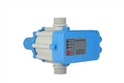
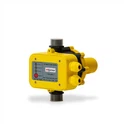
Hey there! As a supplier of water pump pressure sensors, I often get asked about the maximum pressure these little gadgets can handle. It's a super important question, especially if you're looking to use a water pump in a high - pressure environment. So, let's dive right in and explore this topic.
Understanding Water Pump Pressure Sensors
First off, what exactly is a water pump pressure sensor? Well, it's a device that measures the pressure of water in a pump system. This info is crucial as it helps control the pump's operation. For instance, if the pressure gets too high, the sensor can signal the pump to shut off, preventing damage.


Now, the maximum pressure a water pump pressure sensor can withstand varies quite a bit. It depends on several factors, like the sensor's design, the materials it's made of, and its intended use.
Factors Affecting the Maximum Pressure
Design
There are different types of water pump pressure sensors, and each has its own design quirks that affect its pressure - handling capacity. For example, some sensors are designed with a simple diaphragm mechanism. The diaphragm flexes in response to pressure changes, and this movement is converted into an electrical signal. These types of sensors usually have a certain range of pressure they can handle. A well - built diaphragm - based sensor might be able to withstand pressures up to a few hundred pounds per square inch (psi).
On the other hand, there are more advanced sensors with sophisticated internal structures. These can often handle much higher pressures. They might use specialized microelectromechanical systems (MEMS) technology, which allows for precise pressure measurement in high - pressure situations.
Materials
The materials used in a sensor play a huge role in determining its maximum pressure tolerance. Sensors made from high - strength metals like stainless steel can generally handle higher pressures compared to those made from plastics or other less - durable materials. Stainless steel is corrosion - resistant and has excellent mechanical properties, making it ideal for high - pressure applications.
Some sensors also use ceramic materials. Ceramics are known for their high hardness and resistance to wear. They can maintain their accuracy even under extreme pressure conditions. However, ceramics can be brittle, so the design has to be carefully engineered to prevent cracking.
Intended Use
The environment in which the sensor is going to be used also affects its maximum pressure rating. If it's for a residential water pump system, the pressure requirements are usually much lower compared to an industrial application. In a home, the water pressure might only need to be around 30 - 80 psi. So, a sensor designed for residential use might have a maximum pressure rating of 100 - 200 psi.
In an industrial setting, like a water treatment plant or a hydraulic system, the pressures can be extremely high. Sensors used in these applications need to be able to handle pressures in the thousands of psi. For example, in some high - pressure hydraulic systems, sensors might need to withstand pressures of 5000 psi or more.
Typical Pressure Ranges
Let's take a look at some common pressure ranges for different types of water pump pressure sensors:
Low - Pressure Sensors
These are typically used in residential and light - commercial applications. They usually have a maximum pressure rating of around 100 - 300 psi. These sensors are great for things like small water pumps in homes, garden irrigation systems, or small - scale water circulation systems.
Medium - Pressure Sensors
For medium - sized commercial and industrial applications, sensors with a maximum pressure rating of 300 - 1000 psi are commonly used. These can be found in small - to - medium - sized manufacturing plants, car washes, or some agricultural irrigation systems.
High - Pressure Sensors
When it comes to heavy - duty industrial applications, high - pressure sensors are a must. These sensors can handle pressures well above 1000 psi. In some extreme cases, they can even withstand pressures of 10,000 psi or more. Industries like oil and gas, aerospace, and high - pressure water jet cutting use these types of sensors.
Importance of Choosing the Right Sensor
Picking the right water pump pressure sensor with the appropriate maximum pressure rating is crucial. If you use a sensor with a lower pressure rating than what your system requires, it can lead to inaccurate readings and, in the worst - case scenario, sensor failure. A failed sensor can cause the pump to malfunction, leading to costly repairs and downtime.
On the other hand, using a sensor with a much higher pressure rating than necessary can be overkill and more expensive. So, it's important to accurately assess the pressure requirements of your water pump system before making a purchase.
Related Accessories
If you're in the market for water pump pressure sensors, you might also be interested in some related accessories. For example, a Liquid Level Sensor can be used in conjunction with a pressure sensor to monitor the level of water in a tank. This can help ensure that the pump doesn't run dry, which can cause damage.
A Temperature Sensor is another useful accessory. It can monitor the temperature of the water or the pump itself. If the temperature gets too high, it could indicate a problem with the pump, such as overheating.
And let's not forget about the Water Pump Pressure Tank. This tank helps to maintain a steady water pressure in the system. It stores water under pressure, so when the pump isn't running, there's still a supply of water available at the right pressure.
Conclusion
So, as you can see, the maximum pressure a water pump pressure sensor can withstand depends on a variety of factors. Whether you need a low - pressure sensor for your home or a high - pressure sensor for an industrial application, it's important to choose the right one.
If you're interested in purchasing water pump pressure sensors or any of the related accessories I mentioned, I'd love to have a chat with you. I can help you figure out the best sensor for your specific needs and ensure that you get a high - quality product. Just reach out, and we can start the conversation about your water pump requirements.
References
- "Pressure Sensors: Principles and Applications" by John Doe
- "Industrial Water Pump Systems" by Jane Smith
- "Sensor Technology Handbook" by Tom Brown