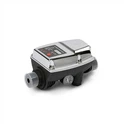
The lifespan of the contacts in an automatic pump pressure switch is a crucial factor that both suppliers and users need to understand. As a supplier of Automatic Pump Pressure Switches, I've witnessed firsthand the significance of this aspect in ensuring the long - term and efficient operation of pumping systems.
Understanding the Basics of Automatic Pump Pressure Switch Contacts
Automatic pump pressure switches are designed to control the operation of pumps based on the pressure of the fluid in the system. The contacts within these switches are the key components that open and close electrical circuits, allowing or interrupting the flow of electricity to the pump motor. When the pressure in the system reaches a pre - set level, the contacts either make or break the circuit, thereby starting or stopping the pump.


There are two main types of contacts used in automatic pump pressure switches: normally open (NO) and normally closed (NC). Normally open contacts remain open until the pressure activates them to close the circuit. Conversely, normally closed contacts are initially closed and open when the pressure reaches a certain point.
Factors Affecting the Lifespan of Contacts
- Electrical Load
The amount of electrical current flowing through the contacts has a direct impact on their lifespan. Higher electrical loads generate more heat and arc during the opening and closing process. Arcing can cause erosion of the contact material, gradually wearing down the contacts over time. For instance, if a pump motor draws a large amount of current, the contacts in the pressure switch will experience more stress. As a supplier, we often recommend using switches with appropriate current ratings for different pump sizes to minimize this effect. - Mechanical Stress
The mechanical movement of the contacts as they open and close is another factor. Every time the contacts move, there is friction and wear. The frequency of these operations also matters. In a system where the pump starts and stops frequently, such as in a small domestic water supply system with high water usage, the contacts will wear out faster compared to a system with less frequent cycling. Additionally, improper installation that causes misalignment or excessive vibration can increase mechanical stress on the contacts. - Environmental Conditions
The environment in which the automatic pump pressure switch operates plays a significant role. Moisture, dust, and corrosive substances can all damage the contacts. Moisture can cause oxidation of the contact surface, increasing the contact resistance and leading to poor electrical conductivity. Dust particles can get trapped between the contacts, preventing a proper electrical connection. In industrial settings where there are chemicals or corrosive gases, the contacts may corrode, reducing their lifespan. We offer switches with appropriate enclosures to protect against these environmental factors, but it's still important for users to ensure proper installation in suitable locations. - Contact Material
The material used to make the contacts is a fundamental determinant of their lifespan. Common contact materials include silver, silver - alloy, and tungsten. Silver has excellent electrical conductivity and low contact resistance, but it is relatively soft and can be prone to deformation under high - current arcing. Silver - alloy contacts combine the good conductivity of silver with the hardness of other metals, offering better durability. Tungsten contacts are very hard and can withstand high - temperature arcing, making them suitable for high - power applications. As a supplier, we carefully select the contact material based on the intended use of the switch to optimize the lifespan.
Estimating the Lifespan of Contacts
It's difficult to give an exact lifespan for the contacts in an automatic pump pressure switch because it depends on the factors mentioned above. However, in general, under normal operating conditions with moderate electrical loads and infrequent cycling, the contacts can last for several years. For example, in a well - installed domestic water supply system with a small pump, the contacts might last 5 - 10 years.
In industrial applications where the electrical loads are higher and the cycling is more frequent, the lifespan could be significantly shorter, perhaps 1 - 3 years. Some high - end switches with advanced contact materials and better protection mechanisms may have longer lifespans even under harsh conditions.
Extending the Lifespan of Contacts
- Proper Sizing and Selection
As a supplier, we emphasize the importance of choosing the right automatic pump pressure switch for the specific application. This includes selecting a switch with the correct current rating, voltage rating, and contact material. For example, if you have a high - power industrial pump, a switch with tungsten contacts and a high - current rating would be more suitable. You can explore our range of products such as the 24V DC Water Pump Switch, which is designed for specific low - voltage applications, ensuring proper operation and longer contact lifespan. - Regular Maintenance
Regular inspection and cleaning of the pressure switch can help extend the contact lifespan. Users should check for signs of wear, corrosion, or dust accumulation. Cleaning the contacts with a suitable electrical contact cleaner can remove oxidation and debris, improving the electrical connection. However, it's important to follow the manufacturer's instructions during maintenance to avoid damaging the switch. - Proper Installation
Ensuring proper installation of the automatic pump pressure switch is crucial. The switch should be mounted in a stable location, away from sources of vibration and moisture. The electrical connections should be tight and secure to prevent arcing due to loose connections. We also recommend using proper wiring sizes to avoid excessive voltage drops that can affect the performance of the contacts. Our Clean Pump Controller with European Plug comes with clear installation instructions to help users achieve the best results.
The Importance of Contact Lifespan for Users and Suppliers
For users, a longer contact lifespan means less frequent replacement of the pressure switch, reducing maintenance costs and downtime. In a commercial or industrial setting, downtime can be extremely costly, so a reliable switch with long - lasting contacts is essential.
As a supplier, understanding the factors affecting contact lifespan allows us to design and manufacture better products. We can provide more accurate product recommendations to our customers and offer technical support to help them optimize the performance of our switches. Our Wide Voltage Water Pump Controller is an example of a product that takes into account various factors to ensure long - term contact reliability.
Conclusion
The lifespan of the contacts in an automatic pump pressure switch is influenced by multiple factors, including electrical load, mechanical stress, environmental conditions, and contact material. By understanding these factors, users can take appropriate measures to extend the lifespan of the contacts, such as proper sizing, regular maintenance, and correct installation. As a supplier, we are committed to providing high - quality products and technical support to ensure that our customers get the most out of our automatic pump pressure switches.
If you are interested in our Automatic Pump Pressure Switches or have any questions regarding contact lifespan and product selection, we encourage you to reach out to us for a detailed discussion. Our team of experts is ready to assist you in finding the best solution for your pumping system.
References
- Electrical Engineering Handbook, Third Edition, CRC Press
- Pump Systems Matter, Best Practices for Pump System Operation
- Manufacturer's Guides for Automatic Pump Pressure Switches