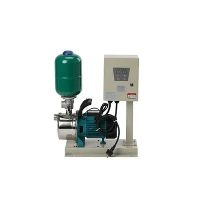
Ensuring the smooth and efficient operation of water pump accessories is crucial for the overall performance of water pump systems. Lubrication plays a vital role in maintaining the functionality and longevity of these components. As a trusted water pump accessories supplier, I am here to share some valuable insights on how to lubricate water pump accessories effectively.
Understanding the Importance of Lubrication
Lubrication serves multiple purposes when it comes to water pump accessories. Firstly, it reduces friction between moving parts. In a water pump system, many components such as bearings, shafts, and gears are in constant motion. Without proper lubrication, the friction between these parts can lead to excessive wear and tear, increased energy consumption, and even premature failure.
Secondly, lubrication helps to dissipate heat. As the parts move, friction generates heat. If this heat is not dissipated properly, it can cause damage to the components. A good lubricant acts as a heat transfer medium, carrying the heat away from the highly stressed areas and preventing overheating.
Lastly, lubrication can protect the components from corrosion. Water pump accessories are often exposed to water, which can cause rust and corrosion over time. A lubricant forms a protective barrier on the surface of the components, preventing water and other corrosive substances from reaching the metal.
Types of Water Pump Accessories That Require Lubrication
There are several water pump accessories that typically require lubrication:
- Bearings: Bearings are essential for the smooth rotation of the pump shaft. They reduce friction and support the load. Proper lubrication of bearings helps to prevent premature failure due to wear and overheating.
- Gears: In water pumps with gear - driven systems, gears need lubrication to ensure smooth power transmission. Lubrication reduces noise, vibration, and wear on the gear teeth.
- Shaft Seals: Shaft seals prevent water from leaking out of the pump. Lubricating the seals can improve their sealing performance and extend their lifespan.
Selecting the Right Lubricant
Choosing the appropriate lubricant is crucial for effective lubrication. Here are some factors to consider:
- Compatibility: The lubricant must be compatible with the materials of the water pump accessories. For example, some rubber or plastic components may be damaged by certain types of lubricants.
- Viscosity: Viscosity refers to the thickness of the lubricant. The right viscosity depends on the operating conditions of the water pump, such as the temperature, speed, and load. In general, higher - viscosity lubricants are suitable for high - load and low - speed applications, while lower - viscosity lubricants are better for low - load and high - speed situations.
- Environmental Conditions: If the water pump operates in a harsh environment, such as in the presence of water, chemicals, or extreme temperatures, a lubricant with special properties, such as water resistance or high - temperature stability, may be required.
Lubrication Procedures for Different Accessories
1. Bearings
- Grease Lubrication: Most water pump bearings are lubricated with grease. The first step is to clean the bearings thoroughly before applying the new grease. Use a clean, lint - free cloth and a suitable solvent to remove any old grease, dirt, or debris. After cleaning, allow the bearings to dry completely.
- Apply the Grease: Use a grease gun to apply the grease evenly around the bearing race. The amount of grease to apply depends on the size of the bearing. As a general rule, fill about one - third to one - half of the bearing cavity with grease. Over - greasing can cause overheating, while under - greasing can lead to insufficient lubrication.
- Re - install the Bearings: Once the grease is applied, carefully re - install the bearings in the pump, making sure they are properly seated.
2. Gears
- Oil Bath Lubrication: Some water pump gear systems use oil bath lubrication. In this method, the gears are partially submerged in a sump of lubricating oil. The oil level should be checked regularly to ensure it is at the correct level. If the oil level is too low, the gears may not be properly lubricated. If it is too high, it can cause excessive splashing and energy loss.
- Oil Change: The lubricating oil should be changed periodically according to the manufacturer's recommendations. Over time, the oil can become contaminated with wear particles, dirt, and water, which can reduce its lubricating properties. When changing the oil, drain the old oil completely and then refill the sump with fresh oil of the correct type and viscosity.
3. Shaft Seals
- Lubricant for Seals: Use a lubricant specifically designed for shaft seals. Apply a thin layer of the lubricant to the sealing surface of the shaft seal before installation. This will help to reduce friction during the initial operation and improve the sealing performance.
- Maintenance: During the operation of the water pump, monitor the shaft seals for any signs of leakage or wear. If a leak is detected, it may be necessary to re - lubricate the seal or replace it if it is damaged.
Monitoring and Maintenance
Regular monitoring of the lubricated water pump accessories is essential to ensure their proper operation. Here are some monitoring and maintenance tips:
- Visual Inspection: Periodically inspect the lubricated components for any signs of wear, such as excessive noise, vibration, or leakage. Check the lubricant level and its appearance. If the lubricant is discolored or contains debris, it may be time to change it.
- Temperature Monitoring: Use a Temperature Transmitter to monitor the temperature of the lubricated components. An abnormal increase in temperature can indicate a problem with the lubrication system, such as insufficient lubrication or over - greasing.
- Performance Testing: Conduct performance tests on the water pump system regularly to ensure that it is operating at its optimal efficiency. Any significant decrease in performance may be related to the lubrication of the accessories.
Troubleshooting Lubrication Problems
If you encounter problems with the lubrication of water pump accessories, here are some common causes and solutions:


- Excessive Wear: If the components show excessive wear despite proper lubrication, the lubricant may not be suitable for the operating conditions. Consider changing the lubricant to one with better anti - wear properties.
- Overheating: Overheating can be caused by over - greasing, insufficient lubrication, or a problem with the heat dissipation system. Check the lubricant level and viscosity, and ensure that the cooling system is working properly.
- Leakage: Leakage of the lubricant can be due to a damaged seal or improper installation. Inspect the seals and re - install them if necessary. You can also use a Leak Detection Sensor to detect any leaks early.
Conclusion
Proper lubrication of water pump accessories is essential for their reliable and efficient operation. By understanding the importance of lubrication, selecting the right lubricant, following the correct lubrication procedures, and conducting regular monitoring and maintenance, you can extend the lifespan of your water pump accessories and ensure the smooth operation of your water pump system.
As a water pump accessories supplier, we offer a wide range of high - quality accessories, including Automatic Pump Mechanical Switch, temperature transmitters, and leak detection sensors. If you have any questions about lubrication or need to purchase water pump accessories, please feel free to contact us for further discussion. We are committed to providing you with the best products and services to meet your needs.
References
- "Handbook of Lubrication and Tribology, Volume I: Applications and Maintenance" by Bhushan, Bharat.
- "Mechanical Design of Machine Elements and Machines: A Failure Prevention Perspective" by Spotts, Milton F et al.
- Manufacturer's manuals of various water pump accessories.