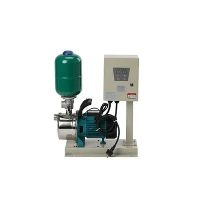
When it comes to the efficient operation of a water pump in a commercial building, determining the ideal pressure is crucial. As a supplier of Water Pump Pressure Gauges, I've witnessed firsthand how the right pressure can optimize water distribution, reduce wear and tear on the system, and ensure the comfort and safety of building occupants. In this blog post, I'll delve into the factors that influence the ideal water pump pressure in commercial buildings and provide some guidelines to help you make informed decisions.
Understanding the Basics of Water Pump Pressure
Before we discuss the ideal pressure, let's first understand what water pump pressure is and why it matters. Water pump pressure refers to the force exerted by the water as it moves through the pipes and fixtures in a building. It is typically measured in pounds per square inch (psi) or bars. Adequate pressure is necessary to ensure that water can reach all parts of the building, including upper floors, and flow at a sufficient rate for various uses such as drinking, washing, and firefighting.
Insufficient pressure can lead to a range of problems, including low water flow, poor water pressure at fixtures, and difficulty in flushing toilets. On the other hand, excessive pressure can cause damage to pipes, fittings, and appliances, leading to leaks, bursts, and increased maintenance costs. Therefore, finding the right balance is essential for the proper functioning of the water distribution system.
Factors Influencing the Ideal Pressure
Several factors influence the ideal water pump pressure in a commercial building. These include the height of the building, the type of fixtures and appliances used, the number of occupants, and the local water supply conditions. Let's take a closer look at each of these factors:

Building Height
The height of the building is one of the most significant factors affecting water pump pressure. As water needs to be pumped to higher floors, additional pressure is required to overcome the force of gravity. A general rule of thumb is that for every 2.31 feet of vertical height, an additional 1 psi of pressure is needed. For example, in a 10 - story building with each floor being approximately 10 feet high (total height of 100 feet), an additional 43.3 psi (100 / 2.31) of pressure is required just to lift the water to the top floor.

Type of Fixtures and Appliances
Different fixtures and appliances have different pressure requirements. For instance, showerheads typically require a minimum pressure of 20 - 40 psi to provide a satisfactory spray, while some commercial dishwashers may need 60 - 80 psi to operate effectively. When determining the ideal pressure, it's important to consider the requirements of all the fixtures and appliances in the building.
Number of Occupants
The number of occupants in a commercial building also affects the water demand and, consequently, the required pressure. A building with a large number of occupants will have a higher demand for water, especially during peak usage times such as in the morning or after lunch. To ensure an adequate supply of water to all occupants, the water pump needs to be able to maintain the required pressure even under high - demand conditions.
Local Water Supply Conditions
The local water supply conditions, including the available pressure from the municipal water system, can also influence the ideal pressure for the water pump. In some areas, the municipal water pressure may be sufficient to supply the lower floors of a building, while a booster pump may be required for the upper floors. In other cases, if the municipal water pressure is too low, a water pump may be needed to increase the pressure throughout the building.

Determining the Ideal Pressure
To determine the ideal pressure for a water pump in a commercial building, a detailed analysis of the building's water requirements is necessary. This typically involves the following steps:
Conduct a Water Demand Analysis
The first step is to conduct a water demand analysis to determine the peak and average water usage in the building. This can be done by reviewing the building's blueprints, occupancy data, and the types of fixtures and appliances installed. By understanding the water demand, you can estimate the flow rate required and select a water pump with the appropriate capacity.
Calculate the Required Pressure
Once the water demand is determined, the next step is to calculate the required pressure. This involves considering the factors mentioned above, such as the building height, fixture requirements, and local water supply conditions. A professional engineer or a water system specialist can use hydraulic calculations to determine the exact pressure needed at different points in the building.
Consider Safety Margins
It's important to consider safety margins when determining the ideal pressure. Factors such as future expansion of the building, changes in water usage patterns, and variations in the local water supply can all affect the pressure requirements. By adding a safety margin of 10 - 20% to the calculated pressure, you can ensure that the water pump can handle any unexpected changes in the system.
Monitoring and Maintaining the Pressure
Once the water pump is installed and the ideal pressure is set, it's important to monitor and maintain the pressure regularly. This is where our Water Pump Pressure Gauges come in handy. Our gauges provide accurate and reliable pressure readings, allowing you to monitor the performance of the water pump and detect any issues early on.
In addition to using pressure gauges, it's also important to perform regular maintenance on the water pump and the entire water distribution system. This includes checking for leaks, inspecting the pipes and fittings, and ensuring that the pump is operating at its optimal efficiency. By maintaining the system properly, you can extend its lifespan and prevent costly repairs.
Related Accessories for Water Pumps
In addition to pressure gauges, there are several other accessories that can enhance the performance and reliability of water pumps in commercial buildings. Some of these accessories include Mechanical Switches, Water Pump Float Switch, and Liquid Level Sensor.
Mechanical switches are used to control the operation of the water pump based on the pressure in the system. They can be set to turn the pump on when the pressure drops below a certain level and turn it off when the pressure reaches a preset maximum. Water pump float switches are used to control the water level in a tank or reservoir. They can turn the pump on when the water level drops and turn it off when the water level rises to a certain point. Liquid level sensors are used to measure the level of liquid in a tank or reservoir and provide accurate readings for monitoring and control purposes.
Conclusion
Determining the ideal pressure for a water pump in a commercial building is a complex process that requires careful consideration of several factors. By understanding the building's water requirements, calculating the required pressure, and using the right accessories, you can ensure the efficient and reliable operation of the water distribution system.
As a supplier of Water Pump Pressure Gauges, we are committed to providing high - quality products and expert advice to help you achieve the ideal pressure for your commercial building. If you have any questions or need assistance in selecting the right pressure gauge or other water pump accessories, please feel free to contact us. We look forward to the opportunity to discuss your needs and help you find the best solutions for your water pump system.
References
- ASPE (American Society of Plumbing Engineers). Plumbing Engineering Design Handbook.
- Hydraulic Institute. Pump Standards and Guidelines.
- Various building codes and regulations related to water supply and plumbing systems.