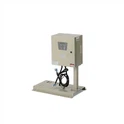
Hey there! As a supplier of VFD water pumps, I often get asked about the heat dissipation of these pumps. So, let's dive right in and talk about what heat dissipation in a VFD water pump is all about.
First off, a VFD water pump, or Variable Frequency Drive water pump, is a pretty cool piece of tech. It can adjust the speed of the pump motor according to the actual demand of the water - supply system. This not only saves energy but also improves the overall efficiency of the system. But with all this advanced functionality, heat becomes a real concern.
You see, when a VFD water pump is working, electrical components inside the VFD unit and the pump motor generate heat. The VFD unit itself has a lot going on. It has power semiconductors, like insulated - gate bipolar transistors (IGBTs), which switch at high frequencies to control the motor speed. During this switching process, a significant amount of heat is produced. And the pump motor also heats up as it converts electrical energy into mechanical energy to move water.
If this heat isn't properly dissipated, it can cause a whole bunch of problems. For starters, high temperatures can reduce the lifespan of the components. The electrical insulation materials in the motor and VFD can degrade faster, leading to potential short - circuits and failures. It can also affect the performance of the pump. The efficiency might drop, and the pump could even shut down to protect itself from overheating.


So, how do we deal with this heat? There are a few common methods of heat dissipation in VFD water pumps.
One of the most basic methods is natural convection. This is when heat is transferred from the hot components to the surrounding air. The hot air rises, and cooler air moves in to take its place. Some VFD water pumps are designed with fins on the outside of the VFD unit. These fins increase the surface area available for heat transfer, allowing more heat to be released into the air. However, natural convection has its limits. It's not very effective in high - power applications or in environments where the ambient temperature is already high.
Another popular method is forced air cooling. This involves using fans to blow air over the hot components. The fans can be installed inside the VFD unit or on the pump motor. By forcing air movement, the heat transfer rate is significantly increased. For example, the fans can blow air directly over the IGBTs in the VFD, quickly carrying away the heat. Many of our Permanent Magnet Frequency Conversion Constant Pressure Pump models use forced air cooling to ensure efficient heat dissipation, especially in larger - capacity pumps.
Liquid cooling is also an option, although it's less common in small - to - medium - sized VFD water pumps. In liquid - cooled systems, a coolant, usually water or a water - glycol mixture, is circulated around the hot components. The coolant absorbs the heat and then transfers it to a radiator or heat exchanger, where it can be dissipated into the air. Liquid cooling is very effective at removing large amounts of heat, but it requires a more complex setup, including a pump to circulate the coolant and a heat exchanger. Our Permanent Magnet Inverter Pump series can be customized with liquid - cooling solutions for customers who have specific high - heat - dissipation requirements.
When it comes to choosing the right heat - dissipation method for a VFD water pump, several factors need to be considered. The power rating of the pump is a crucial one. Higher - power pumps generate more heat, so they usually require more advanced heat - dissipation methods like forced air or liquid cooling. The operating environment also matters. If the pump is going to be installed in a hot and humid place, or in a location with poor ventilation, a more efficient heat - dissipation system will be needed.
The quality of the components in the pump also plays a role. High - quality components tend to generate less heat in the first place. For example, a well - designed motor with low - loss materials will produce less heat during operation. At our company, we source the best components for our Factory Permanent Magnetic Frequency Conversion Pump models to minimize heat generation and make the heat - dissipation process more effective.
As a VFD water pump supplier, we understand the importance of proper heat dissipation. We've spent a lot of time researching and developing our pumps to ensure that they can handle the heat. We test our pumps under various conditions to make sure that the heat - dissipation systems are working as intended. Whether it's a small - scale residential application or a large - scale industrial project, we have the right pump with the appropriate heat - dissipation solution.
If you're in the market for a VFD water pump, don't overlook the heat - dissipation aspect. It's a critical factor that can affect the performance and longevity of your pump. We offer a wide range of VFD water pumps with different heat - dissipation methods to meet your specific needs. Whether you need a pump for a water - supply system in your home or a large - scale agricultural irrigation project, we've got you covered.
If you're interested in learning more about our VFD water pumps or have any questions regarding heat dissipation, feel free to reach out. We're always happy to have a chat and help you find the perfect pump for your application. Let's start a conversation and see how we can work together to meet your water - pumping needs.
References
- "Variable Frequency Drives: Fundamentals, Applications, and Troubleshooting" by Russell H. Holmes
- "Pump Handbook" by Igor J. Karassik, Joseph P. Messina, Paul Cooper, and Charles C. Heald