Hey there! As a supplier of pump inverters, I often get asked about the energy - saving effect of using a pump inverter in a multi - pump system. So, I thought I'd write this blog to share some insights on this topic.
First off, let's understand what a multi - pump system is. In many industrial and commercial applications, a single pump might not be enough to meet the demand. That's where multi - pump systems come in. They consist of multiple pumps working together to provide the required flow and pressure. However, these systems can be energy hogs if not properly managed.
Now, let's talk about pump inverters. A pump inverter is a device that controls the speed of a pump motor. By adjusting the motor's speed, it can regulate the flow and pressure of the pump. This is a game - changer when it comes to energy savings in a multi - pump system.
How Pump Inverters Save Energy in Multi - Pump Systems
1. Matching Pump Output to Demand
In a traditional multi - pump system without inverters, pumps usually run at a fixed speed. This means they operate at full capacity even when the demand is low. For example, in a water supply system, during off - peak hours, the water demand is much lower than during peak hours. But if the pumps are running at a fixed speed, they'll still consume a large amount of energy.
With a pump inverter, the speed of the pump can be adjusted according to the actual demand. When the demand is low, the inverter reduces the pump speed, which in turn reduces the power consumption. This is because the power consumption of a pump is proportional to the cube of its speed. So, even a small reduction in speed can lead to significant energy savings.
2. Soft Start and Stop
Pump inverters also provide a soft start and stop function. In a non - inverter system, when a pump starts or stops suddenly, it creates a high inrush current. This not only consumes a lot of energy but also puts stress on the motor and other components, leading to increased maintenance costs.


A pump inverter gradually ramps up the speed of the pump during startup and gradually reduces it during shutdown. This smooth operation reduces the inrush current and the mechanical stress on the system, resulting in energy savings and a longer lifespan for the equipment.
3. Optimizing Pump Combinations
In a multi - pump system, different pumps can be used in combination to meet the demand. A pump inverter can help optimize these combinations. For instance, instead of running all pumps at a low speed, the inverter can determine the most energy - efficient combination of pumps to operate. It might run one or two pumps at a higher speed while keeping the others idle, depending on the demand.
Real - World Examples of Energy Savings
Let's take a look at some real - world examples to see the actual energy - saving effect of using pump inverters in multi - pump systems.
In a large commercial building's HVAC system, the water pumps are used to circulate chilled water. Before installing pump inverters, the pumps were running at a fixed speed all the time. After the installation of inverters, the system was able to adjust the pump speed according to the cooling load. As a result, the energy consumption of the pumps was reduced by up to 30%.
In an industrial wastewater treatment plant, a multi - pump system was used to transfer wastewater. The original system had pumps running at full speed regardless of the flow rate. After implementing pump inverters, the pumps' speed was adjusted based on the actual wastewater flow. This led to a 25% reduction in energy consumption.
Types of Pump Inverters for Multi - Pump Systems
There are several types of pump inverters that can be used in multi - pump systems, each with its own features and benefits.
Air - Cooled Water Pump Inverter
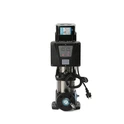
The Air - Cooled Water Pump Inverter is a great option for multi - pump systems. It uses air cooling technology, which is more efficient and reliable compared to other cooling methods. This type of inverter can handle high - power pumps and is suitable for applications where water is the medium being pumped.
Inverter With Float Switch
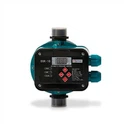
The Inverter With Float Switch is designed to work with float switches. Float switches are used to detect the water level in a tank or reservoir. The inverter can adjust the pump speed based on the water level detected by the float switch. This is very useful in applications such as water storage tanks and sump pumps.
Timing And Speed Control Pump Inverters
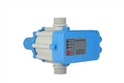
The Timing And Speed Control Pump Inverters offer both timing and speed control functions. You can set the pump to run at different speeds at different times of the day. This is ideal for applications where the demand varies throughout the day, such as in a water supply system for a residential area.
Conclusion
In conclusion, using a pump inverter in a multi - pump system can have a significant energy - saving effect. By matching the pump output to the demand, providing soft start and stop, and optimizing pump combinations, pump inverters can reduce energy consumption, lower maintenance costs, and extend the lifespan of the equipment.
If you're interested in learning more about how our pump inverters can benefit your multi - pump system, or if you're looking to make a purchase, don't hesitate to get in touch. We're here to help you find the best solution for your specific needs.
References
- "Pump Handbook" by Igor J. Karassik et al.
- "Energy - Efficient Motor Systems" by the International Energy Agency.