Hey there! As a supplier of Variable Frequency Drive (VFD) pumps, I've had the pleasure of seeing firsthand how these amazing pieces of equipment can revolutionize various industries. Today, I'm gonna break down what the efficiency of a VFD pump really means and why it's such a big deal.
What's a Variable Frequency Drive Pump Anyway?
Before we jump into efficiency, let's quickly go over what a VFD pump is. A VFD pump is a type of pump that's connected to a variable frequency drive. This drive can adjust the speed of the pump motor by changing the frequency of the electrical power supplied to it. It's like having a volume control for your pump - you can turn it up or down depending on your needs.
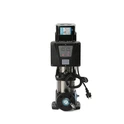
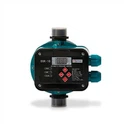
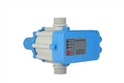
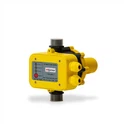
There are different types of VFD pumps out there, like the Variable Frequency Drive Water Pump, the Integrated Frequency Conversion Water Pump, and the Frequency Conversion Constant Pressure Water Pump. Each has its own unique features and applications, but they all share the ability to vary the pump's speed.
Efficiency Defined
When we talk about the efficiency of a VFD pump, we're mainly looking at two things: energy efficiency and operational efficiency.
Energy Efficiency
Energy efficiency is all about getting the most out of the power you put in. In a traditional pump, the motor runs at a fixed speed, which means it uses the same amount of energy regardless of the actual demand. This can lead to a lot of wasted energy, especially when the system doesn't need the full capacity of the pump.
A VFD pump, on the other hand, can adjust its speed based on the demand. When the demand is low, the pump runs at a lower speed, using less energy. For example, in a water supply system, if the water demand is low during the night, the VFD pump can slow down and save a significant amount of electricity. According to some studies, VFD pumps can reduce energy consumption by up to 50% compared to fixed-speed pumps. That's a huge savings over time, not to mention the positive impact on the environment.
Operational Efficiency
Operational efficiency refers to how well the pump performs its intended task. A VFD pump can provide more precise control over the flow rate and pressure. This is crucial in many applications where a consistent and accurate output is required.


For instance, in a chemical processing plant, a VFD pump can maintain a constant flow rate of chemicals, ensuring the quality and consistency of the production process. In a heating, ventilation, and air conditioning (HVAC) system, it can adjust the water flow to match the cooling or heating demand, improving the overall comfort and energy efficiency of the building.
Factors Affecting VFD Pump Efficiency
There are several factors that can affect the efficiency of a VFD pump.
System Design
The way the pump system is designed plays a big role. A well-designed system takes into account the specific requirements of the application, such as the flow rate, pressure, and temperature. If the system is oversized, the pump may run at a lower efficiency because it's not operating at its optimal point. On the other hand, an undersized system may cause the pump to work too hard, leading to increased energy consumption and wear and tear.
Pump Selection
Choosing the right pump for the job is essential. Different pumps have different efficiency curves, which show how their efficiency changes with the flow rate and pressure. You need to select a pump that has a high efficiency within the operating range of your system.
VFD Settings
The settings of the variable frequency drive also affect the pump's efficiency. The VFD needs to be properly programmed to adjust the pump speed based on the actual demand. Incorrect settings can result in the pump running at an inefficient speed or not responding to changes in the system.
Real-World Benefits of VFD Pump Efficiency
The efficiency of VFD pumps brings many real-world benefits.
Cost Savings
As I mentioned earlier, the energy savings from using a VFD pump can be substantial. Over the life of the pump, these savings can add up to a significant amount of money. In addition, because VFD pumps can operate at a lower speed and with less stress, they tend to have a longer lifespan, reducing the need for frequent replacements and maintenance.
Improved Productivity
In industrial applications, the precise control provided by VFD pumps can lead to improved productivity. For example, in a manufacturing process, a consistent flow rate of raw materials can ensure a smooth production line and higher-quality products.
Environmental Impact
By reducing energy consumption, VFD pumps help to lower greenhouse gas emissions. This is an important contribution to environmental sustainability, especially in today's world where we're all looking for ways to reduce our carbon footprint.
How to Maximize VFD Pump Efficiency
If you're considering using a VFD pump or already have one, here are some tips to maximize its efficiency.
Regular Maintenance
Just like any other piece of equipment, a VFD pump needs regular maintenance. This includes checking the motor, the VFD, and the pump itself for any signs of wear or damage. Keeping the pump clean and well-lubricated can also improve its efficiency.
Proper System Tuning
Make sure the VFD is properly tuned to the specific requirements of your system. This may involve adjusting the speed settings, the pressure control, and other parameters. You may need the help of a professional to do this.
Monitoring and Optimization
Use monitoring tools to keep track of the pump's performance. By analyzing the data, you can identify any issues or opportunities for improvement. For example, if you notice that the pump is consuming more energy than usual, you can investigate the cause and take corrective action.
Wrapping It Up
So, there you have it - the efficiency of a VFD pump is a combination of energy efficiency and operational efficiency. These pumps offer significant advantages in terms of cost savings, productivity, and environmental impact. If you're in the market for a pump, I highly recommend considering a VFD pump.
If you're interested in learning more about our Variable Frequency Drive Water Pump, Integrated Frequency Conversion Water Pump, or Frequency Conversion Constant Pressure Water Pump, feel free to reach out to us for a quote or to discuss your specific needs. We're here to help you find the best solution for your application.
References
- ASHRAE Handbook - HVAC Systems and Equipment
- Hydraulic Institute Standards
- IEEE Standards for Power Electronics in Variable Frequency Drives