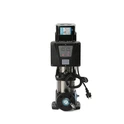
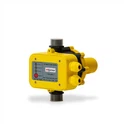
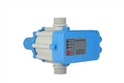
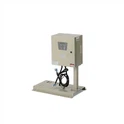
What is the accuracy of speed control of a water pump by a box type inverter?
In the realm of water pump operations, the accuracy of speed control plays a pivotal role in optimizing performance, energy efficiency, and overall system reliability. As a leading supplier of Box Type Inverters For Water Pumps, I am often asked about the accuracy of speed control achieved by these inverters. In this blog post, I will delve into the intricacies of speed control accuracy, exploring the factors that influence it and how our box type inverters ensure precise and reliable operation.
Understanding Speed Control Accuracy
Speed control accuracy refers to the ability of an inverter to maintain a specific speed of the water pump within a predefined tolerance range. In other words, it measures how closely the actual speed of the pump matches the desired speed set by the user. High accuracy is crucial for applications where precise flow rates and pressures are required, such as in industrial processes, water treatment plants, and HVAC systems.
Factors Affecting Speed Control Accuracy
Several factors can influence the accuracy of speed control in a water pump system. These include:
- Inverter Design and Quality: The design and quality of the inverter itself play a significant role in determining speed control accuracy. A well-designed inverter with advanced control algorithms and high-quality components can provide more precise speed control.
- Motor Characteristics: The characteristics of the water pump motor, such as its torque-speed curve and efficiency, can also affect speed control accuracy. Motors with a flat torque-speed curve and high efficiency are generally easier to control accurately.
- Load Variations: Changes in the load on the water pump, such as variations in flow rate or pressure, can cause the motor speed to fluctuate. The inverter must be able to compensate for these load variations to maintain accurate speed control.
- Environmental Conditions: Environmental factors, such as temperature, humidity, and altitude, can also impact the performance of the inverter and the accuracy of speed control. In extreme conditions, additional measures may be required to ensure reliable operation.
How Our Box Type Inverters Ensure High Accuracy
At our company, we take pride in offering high-quality Box Type Inverters For Water Pumps that are designed to provide precise and reliable speed control. Here are some of the features and technologies that contribute to the accuracy of our inverters:


- Advanced Control Algorithms: Our inverters are equipped with advanced control algorithms that continuously monitor and adjust the motor speed to maintain the desired setpoint. These algorithms take into account factors such as load variations, motor characteristics, and environmental conditions to ensure accurate and stable speed control.
- High-Resolution Encoders: To further enhance speed control accuracy, our inverters are often paired with high-resolution encoders. These encoders provide real-time feedback on the motor speed, allowing the inverter to make precise adjustments and maintain the desired speed within a narrow tolerance range.
- Robust Design and Construction: Our box type inverters are built to withstand harsh environmental conditions and provide reliable operation over an extended period. They are constructed using high-quality materials and components, ensuring durability and long-term performance.
- User-Friendly Interface: Our inverters feature a user-friendly interface that allows users to easily set and adjust the desired speed, as well as monitor the performance of the water pump. This intuitive interface makes it easy for operators to optimize the system for maximum efficiency and accuracy.
Applications of Our Box Type Inverters
Our Box Type Inverters For Water Pumps are suitable for a wide range of applications, including:
- Industrial Processes: In industrial settings, precise speed control is essential for maintaining consistent production rates and product quality. Our inverters can be used to control the speed of water pumps in various industrial processes, such as chemical manufacturing, food processing, and power generation.
- Water Treatment Plants: Water treatment plants require accurate control of water flow and pressure to ensure the efficient treatment of water. Our inverters can be used to control the speed of pumps in water treatment plants, helping to optimize the treatment process and reduce energy consumption.
- HVAC Systems: HVAC systems rely on water pumps to circulate coolant and maintain a comfortable indoor environment. Our inverters can be used to control the speed of water pumps in HVAC systems, allowing for precise temperature control and energy savings.
- Residential and Commercial Buildings: In residential and commercial buildings, water pumps are used for various purposes, such as supplying water to faucets, toilets, and showers. Our inverters can be used to control the speed of these pumps, ensuring a consistent water supply and reducing energy consumption.
Conclusion
In conclusion, the accuracy of speed control in a water pump system is crucial for optimizing performance, energy efficiency, and overall system reliability. As a leading supplier of Box Type Inverters For Water Pumps, we are committed to providing high-quality products that offer precise and reliable speed control. Our inverters are designed with advanced control algorithms, high-resolution encoders, and robust construction to ensure accurate and stable operation in a wide range of applications.
If you are interested in learning more about our Box Type Inverters For Water Pumps or would like to discuss your specific requirements, please feel free to contact us for a consultation. We look forward to helping you find the right solution for your water pump speed control needs.
References
- "Variable Frequency Drives for Pumps and Fans," IEEE Industry Applications Magazine, Vol. 10, No. 6, November/December 2004.
- "Pump Performance and Efficiency," Hydraulic Institute, 2012.
- "Inverter Technology for Water Pump Applications," ABB Group, 2018.