Pumps are essential devices used in various industries and applications, from water supply and drainage systems to industrial processes. The use of a pump inverter can significantly enhance the performance, efficiency, and control of pumps. However, different types of pumps have unique characteristics and requirements, which means that the application and benefits of pump inverters can vary. As a pump inverter supplier, I'll explore the differences in using a pump inverter for different types of pumps.
Centrifugal Pumps
Centrifugal pumps are the most common type of pump used in many industrial and commercial applications. They work by converting rotational energy from an impeller into kinetic energy in the fluid, which is then converted into pressure energy. When it comes to using a pump inverter with centrifugal pumps, there are several notable advantages.
One of the primary benefits is energy savings. Centrifugal pumps often operate at a constant speed, which can lead to excessive energy consumption when the demand for fluid flow is low. By using a pump inverter, the speed of the pump can be adjusted according to the actual demand. For example, in a water supply system, during off - peak hours, the inverter can reduce the pump speed, resulting in significant energy savings. According to industry studies, energy savings of up to 30 - 50% can be achieved with the proper use of a pump inverter for centrifugal pumps.
Another advantage is improved process control. In industrial processes where precise fluid flow rates are required, a pump inverter allows for accurate speed adjustment. This ensures that the process operates at optimal conditions, reducing waste and improving product quality. For instance, in a chemical manufacturing process, where the flow of reactants needs to be carefully controlled, a pump inverter can maintain a stable and accurate flow rate.
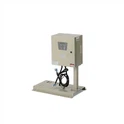
If you are looking for an inverter suitable for centrifugal pumps, our Box Type Inverter for Water Pump is an excellent choice. It offers reliable performance and precise speed control, making it ideal for various centrifugal pump applications.
Positive Displacement Pumps
Positive displacement pumps, unlike centrifugal pumps, work by trapping a fixed amount of fluid and then forcing (displacing) that volume into the discharge pipe. Examples of positive displacement pumps include piston pumps, gear pumps, and diaphragm pumps.
When using a pump inverter with positive displacement pumps, the focus is more on flow rate control and system flexibility. Positive displacement pumps are known for their ability to provide a constant flow rate regardless of the pressure. However, in some applications, the flow rate needs to be adjusted. A pump inverter can be used to vary the speed of the pump, thereby changing the flow rate.
For example, in a food processing plant, where different products may require different flow rates of ingredients, a pump inverter can adjust the speed of a positive displacement pump to meet these changing requirements. This provides greater flexibility in the production process.
However, it's important to note that positive displacement pumps have a limited speed range. Operating the pump outside of this range can cause issues such as cavitation or mechanical damage. Therefore, when selecting a pump inverter for positive displacement pumps, it's crucial to ensure that the inverter can provide accurate speed control within the pump's recommended speed range. Our High - Power Water Pump Inverter can be customized to meet the specific speed control requirements of positive displacement pumps.
Submersible Pumps
Submersible pumps are designed to be fully submerged in the fluid they are pumping. They are commonly used in applications such as well water extraction, sewage pumping, and flood control.
The use of a pump inverter with submersible pumps offers several benefits. One of the key advantages is protection against dry - running. Submersible pumps can be damaged if they run without fluid. A pump inverter can monitor the pump's operating conditions and detect when the fluid level is low. If the fluid level drops below a certain point, the inverter can automatically stop the pump, preventing damage.
In addition, a pump inverter can improve the starting and stopping performance of submersible pumps. When a submersible pump starts, it can cause a large inrush current, which can put stress on the electrical system. A pump inverter provides a soft - start function, gradually ramping up the pump speed and reducing the inrush current. Similarly, during the stopping process, the inverter can provide a soft - stop, preventing water hammer and reducing the risk of pipe damage.
For home users who need to control submersible pumps, our Variable Frequency Pump Converter for Home Use is a convenient and cost - effective solution. It offers easy installation and user - friendly operation, making it suitable for domestic water supply systems.
Axial Flow Pumps
Axial flow pumps are designed to move fluid parallel to the axis of the pump shaft. They are commonly used in applications where a large volume of fluid needs to be moved at a relatively low head, such as in flood control, irrigation, and large - scale water circulation systems.
When using a pump inverter with axial flow pumps, the main goal is to optimize the pump's efficiency. Axial flow pumps have a specific performance curve, and operating the pump at the wrong speed can lead to reduced efficiency. A pump inverter can adjust the pump speed to match the system requirements, ensuring that the pump operates at or near its peak efficiency point.
In an irrigation system, for example, the demand for water may vary depending on the time of day and the weather conditions. A pump inverter can adjust the speed of the axial flow pump to provide the right amount of water, reducing energy consumption and improving the overall efficiency of the irrigation system.
Conclusion
In conclusion, the use of a pump inverter can bring significant benefits to different types of pumps, including energy savings, improved process control, and enhanced system flexibility. However, it's essential to understand the unique characteristics and requirements of each type of pump when selecting and using a pump inverter.


As a pump inverter supplier, we offer a wide range of products to meet the diverse needs of our customers. Whether you are using centrifugal pumps, positive displacement pumps, submersible pumps, or axial flow pumps, we have the right inverter solution for you.
If you are interested in learning more about our pump inverters or would like to discuss your specific requirements, please feel free to contact us. We look forward to the opportunity to work with you and help you optimize your pump systems.
References
- "Pump Handbook" by Igor J. Karassik et al.
- Industry reports on pump energy efficiency and inverter technology.