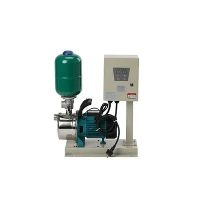
A water pump pressure tank is a crucial component in a water supply system, acting as a buffer between the water pump and the plumbing system. It helps maintain consistent water pressure, reduces pump cycling, and extends the lifespan of the pump. However, like any other mechanical device, it has a limited lifespan and will eventually need to be replaced. As a trusted water pump pressure tank supplier, we understand the importance of identifying the signs that indicate a tank replacement is necessary. In this blog post, we'll discuss the key indicators that your water pump pressure tank may need to be replaced.
1. Frequent Pump Cycling
One of the most common signs that a water pump pressure tank needs to be replaced is frequent pump cycling. The pressure tank is designed to store water under pressure, allowing the pump to run less frequently. When the tank is functioning properly, it can hold a certain amount of water, and the pump only needs to turn on when the water level drops below a certain point. However, if the tank is damaged or has lost its ability to hold pressure, the pump will have to turn on more often to maintain the desired water pressure.
Frequent pump cycling not only increases energy consumption but also puts additional stress on the pump, reducing its lifespan. If you notice that your pump is turning on and off more frequently than usual, it could be a sign that the pressure tank is no longer functioning properly. In such cases, it's advisable to have the tank inspected by a professional.
2. Inconsistent Water Pressure
Another telltale sign of a failing water pump pressure tank is inconsistent water pressure. A properly functioning pressure tank helps maintain a steady flow of water at a consistent pressure throughout the plumbing system. When the tank is unable to hold pressure, the water pressure may fluctuate, resulting in weak or intermittent water flow.
You may notice that the water pressure in your faucets, showers, or appliances is inconsistent, with the water flow varying from strong to weak. This can be particularly frustrating when trying to perform tasks such as washing dishes, taking a shower, or doing laundry. If you experience inconsistent water pressure, it's important to have the pressure tank checked to determine if it needs to be replaced.
3. Water Hammer
Water hammer is a phenomenon that occurs when the flow of water in a plumbing system is suddenly stopped or changed, causing a shock wave to travel through the pipes. This can result in a loud banging or knocking sound, which can be quite alarming. A failing water pump pressure tank can contribute to water hammer, as it may not be able to absorb the shock waves caused by the sudden changes in water flow.
If you hear a loud banging or knocking sound in your pipes when the pump turns on or off, it could be a sign of water hammer. This can not only be annoying but also cause damage to the plumbing system over time. In such cases, it's important to address the issue promptly by having the pressure tank inspected and replaced if necessary.
4. Excessive Noise
In addition to water hammer, a failing water pump pressure tank may also produce other types of excessive noise. For example, you may hear a hissing or whistling sound coming from the tank, which could indicate a leak or a problem with the air valve. A leaking tank can not only waste water but also lead to corrosion and other damage over time.
If you notice any unusual noises coming from the pressure tank, it's important to have it inspected by a professional. They can determine the cause of the noise and recommend the appropriate course of action, which may include replacing the tank.
5. Rust or Corrosion
Over time, water pump pressure tanks can develop rust or corrosion, especially if they are exposed to moisture or harsh chemicals. Rust and corrosion can weaken the tank's structure, making it more prone to leaks and failure. If you notice any signs of rust or corrosion on the outside of the tank, it's a clear indication that the tank may need to be replaced.
In addition to visual inspection, you can also check for signs of rust or corrosion inside the tank by draining the water and inspecting the interior. If you notice any rust or corrosion on the inside of the tank, it's important to replace it as soon as possible to prevent further damage to the plumbing system.
6. Age of the Tank
The age of the water pump pressure tank is also an important factor to consider when determining if it needs to be replaced. Most pressure tanks have a lifespan of 10 to 15 years, depending on the quality of the tank and the conditions in which it is used. If your tank is approaching or has exceeded its expected lifespan, it's a good idea to have it inspected regularly to check for signs of wear and tear.


Even if the tank appears to be functioning properly, it's still a good idea to replace it after a certain period of time to prevent unexpected failures. As a water pump pressure tank supplier, we recommend replacing the tank every 10 to 15 years to ensure optimal performance and reliability.
7. Visible Damage
Finally, visible damage to the water pump pressure tank is a clear sign that it needs to be replaced. This can include cracks, dents, or other signs of physical damage. A damaged tank is not only less effective at holding pressure but also more prone to leaks, which can lead to water damage and other problems.
If you notice any visible damage to the pressure tank, it's important to replace it immediately to avoid further damage to the plumbing system. In some cases, the damage may be minor and can be repaired, but in most cases, it's more cost-effective to replace the tank.
Conclusion
In conclusion, a water pump pressure tank is an essential component of a water supply system, and it's important to be aware of the signs that indicate it needs to be replaced. Frequent pump cycling, inconsistent water pressure, water hammer, excessive noise, rust or corrosion, age of the tank, and visible damage are all indicators that the pressure tank may be failing.
If you notice any of these signs, it's advisable to have the tank inspected by a professional. At [Your Company Name], we are a leading supplier of high-quality water pump pressure tanks and related accessories, including the Automatic Pump Mechanical Switch, Industrial Plastic Expansion Tank, and Temperature Transmitter. Our team of experts can help you determine if your pressure tank needs to be replaced and recommend the best solution for your specific needs.
If you're in the market for a new water pump pressure tank or need assistance with your existing system, we encourage you to contact us for a consultation. Our knowledgeable staff will be happy to answer your questions and provide you with the information you need to make an informed decision. Don't let a failing pressure tank disrupt your water supply – contact us today to learn more about our products and services.
References
- "Water Pump Pressure Tanks: How They Work and When to Replace Them." HomeAdvisor.
- "Signs Your Pressure Tank Needs to Be Replaced." Plumbing & Mechanical.
- "The Importance of a Water Pump Pressure Tank." The Spruce.