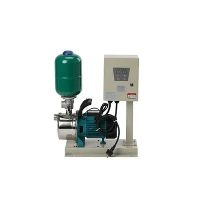
In the dynamic world of water management, the latest water pump automatic controllers have emerged as game - changers. As a supplier of water pump automatic controllers, I am excited to share the new features that are redefining the way we use and manage water pumps.
1. Advanced Sensor Technology
One of the most significant advancements in the latest water pump automatic controllers is the integration of advanced sensor technology. These sensors are designed to provide real - time data on various parameters such as water pressure, flow rate, and temperature.
For instance, modern controllers can accurately measure the water pressure in the system. This data is crucial as it allows the controller to start or stop the pump at the optimal pressure levels. If the pressure drops below a certain set point, the pump will automatically turn on to replenish the water supply. On the other hand, when the pressure reaches the upper limit, the pump will shut off. This not only ensures a consistent water supply but also prevents over - pressurization, which can damage the pipes and the pump itself.
The flow rate sensors in these controllers are equally important. They can detect if there is a blockage in the pipes or if there is an abnormal flow of water. If the flow rate is too low, it could indicate a clog, and the controller can send an alert to the user. This early detection helps in preventing more serious issues such as pump failure or burst pipes.
Temperature sensors are another valuable addition. They can monitor the temperature of the pump motor. Overheating is a common cause of pump failure, and by continuously monitoring the temperature, the controller can take preventive measures. For example, if the temperature rises above a safe level, the controller can shut down the pump to avoid damage.
2. Intelligent Control Algorithms
The latest water pump automatic controllers are equipped with intelligent control algorithms. These algorithms are designed to optimize the performance of the pump based on the data collected by the sensors.
One such algorithm is the adaptive control algorithm. It can adjust the pump's operation according to the changing water demand. For example, during peak hours when the water demand is high, the algorithm can increase the pump's speed to ensure an adequate supply. In contrast, during off - peak hours, it can reduce the speed to save energy. This not only improves the efficiency of the pump but also reduces energy consumption and costs.
The predictive control algorithm is another powerful tool. It can analyze historical data and predict future water demand. Based on these predictions, the controller can prepare the pump in advance. For example, if it predicts a high demand in the next few hours, it can start the pump earlier to build up the water pressure in the system.
Some controllers also use fuzzy logic control algorithms. These algorithms can handle complex and uncertain situations. For example, when there are multiple factors affecting the water demand, such as changes in weather or the number of users, the fuzzy logic algorithm can make more accurate decisions compared to traditional control methods.
3. Remote Monitoring and Control
In today's connected world, remote monitoring and control have become essential features of water pump automatic controllers. With the help of wireless technology such as Wi - Fi and Bluetooth, users can monitor and control their water pumps from anywhere using a smartphone or a computer.
The remote monitoring feature allows users to check the status of the pump in real - time. They can view the pressure, flow rate, temperature, and other important parameters on their mobile devices. This gives them peace of mind, especially if they are away from home or the office.


The remote control feature is equally convenient. Users can start or stop the pump, adjust the pressure settings, and receive alerts even when they are not on - site. For example, if a user is on vacation and receives an alert about a low water pressure, they can use their smartphone to increase the pump's speed.
Many of these controllers also support cloud - based services. The data collected by the sensors is stored in the cloud, which can be accessed by the user at any time. This allows for long - term data analysis and can help in making more informed decisions about the pump's maintenance and operation.
4. Energy - Saving Features
Energy efficiency is a major concern in the operation of water pumps. The latest water pump automatic controllers come with several energy - saving features.
Variable frequency drives (VFDs) are one of the most effective energy - saving technologies. These drives can adjust the speed of the pump motor according to the water demand. By reducing the speed during low - demand periods, the energy consumption of the pump can be significantly reduced. In fact, studies have shown that using a VFD can save up to 50% of the energy compared to a traditional fixed - speed pump.
The sleep mode feature is another energy - saving option. When there is no water demand for a certain period, the pump can enter a sleep mode. In this mode, the pump consumes very little energy, and it can quickly wake up when there is a new demand.
The power factor correction feature in these controllers also helps in reducing energy consumption. It ensures that the pump uses the electrical power more efficiently, which in turn reduces the overall energy cost.
5. Compatibility and Connectivity
The latest water pump automatic controllers are designed to be highly compatible with different types of pumps and other devices. They can be easily integrated with existing water systems, whether they are residential, commercial, or industrial.
These controllers support a wide range of communication protocols, which makes them compatible with various monitoring and control systems. For example, they can communicate with building management systems in commercial buildings or with smart home systems in residential properties.
In addition, they are often compatible with different types of pumps, including centrifugal pumps, submersible pumps, and booster pumps. This flexibility allows users to choose the pump that best suits their needs and still use the latest controller technology.
Product Recommendations
As a supplier, I would like to recommend some of our popular products. The 1.1KW Water Pump Control Switch is a great choice for small - scale applications. It is easy to install and comes with all the basic features such as pressure control and overload protection.
For more advanced users, the Intelligent Adjustable Pressure Pump Control Switch is an excellent option. It offers intelligent control algorithms and remote monitoring and control capabilities.
The Automatic Pressure Control Switch for Water Pump is suitable for both residential and commercial use. It can maintain a constant water pressure in the system and is very reliable.
Conclusion
The latest water pump automatic controllers have brought a new level of functionality and efficiency to water management. With their advanced sensor technology, intelligent control algorithms, remote monitoring and control, energy - saving features, and compatibility, they are the ideal choice for anyone looking to optimize the performance of their water pumps.
If you are interested in these innovative water pump automatic controllers and want to discuss your specific requirements, please feel free to reach out to us. We are committed to providing high - quality products and excellent customer service.
References
- "Advanced Sensors for Water Management Systems" - Journal of Water Resources Management
- "Intelligent Control of Water Pumps: Algorithms and Applications" - International Journal of Control and Automation
- "Energy - Efficient Water Pumping Systems" - Energy Efficiency Research Institute