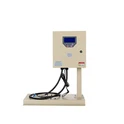
Alright, let's talk about the functions of a household water pump controller in a rainwater harvesting system. As a household water pump controller supplier, I've seen firsthand how these nifty devices can make a huge difference in how well a rainwater harvesting setup works.
1. Automatic Pump Activation and De - activation
One of the most important functions of a water pump controller in a rainwater harvesting system is automatic pump activation and de - activation. Think about it. You don't want to be constantly checking whether your water tank is full or empty and then manually turning the pump on or off. That's just a hassle!
A good water pump controller, like the G1.25 Water Pump Controller, can sense the water level in the tank. When the water level drops below a certain point, it automatically kicks the pump into action. The pump then starts drawing water from the rainwater collection source, like a large barrel or an underground cistern, and fills up the tank.
Once the tank reaches its maximum capacity, the controller senses this and shuts the pump off. This saves you a ton of time and energy. You can go about your daily life without having to worry about monitoring the water tank all the time. It also helps to prevent over - filling, which can lead to water wastage and potential damage to the tank or the surrounding area.
2. Pressure Regulation
Having the right water pressure is crucial in a rainwater harvesting system. If the pressure is too low, the water may not flow properly through your pipes and fixtures. You might end up with a weak shower or a slow - filling sink. On the other hand, if the pressure is too high, it can cause damage to the pipes, leading to leaks and costly repairs.
A water pump controller takes care of all that. It regulates the pressure of the water being pumped from the tank to your home's plumbing system. For instance, the 24V DC Water Pump Switch can adjust the pump's operation to maintain a consistent water pressure. It can increase the pump's speed when more water is needed, like when multiple faucets are open at the same time, and slow it down when the demand is low.
This pressure regulation not only ensures a smooth and reliable water supply but also extends the lifespan of your plumbing system. You won't have to deal with burst pipes or leaky faucets as often, which can end up saving you a lot of money in the long run.
3. Protection Against Dry Running
Dry running is a serious problem for water pumps. When a pump runs without water, it can overheat and get damaged very quickly. This is a common issue in rainwater harvesting systems, especially if the water source dries up or there's a blockage in the intake.
A household water pump controller, such as the Clean Pump Controller with European Plug, is designed to prevent dry running. It can detect when there's no water in the system. When this happens, the controller immediately shuts off the pump to protect it from damage.
Once the water level in the tank or the source has been restored, the controller can automatically turn the pump back on. This feature gives you peace of mind, knowing that your pump is well - protected and will last longer.
4. Energy Efficiency
In today's world, energy efficiency is more important than ever. A water pump controller can significantly improve the energy efficiency of your rainwater harvesting system. By automatically turning the pump on and off only when needed, and by regulating the pump's speed to match the water demand, the controller reduces the amount of energy the pump consumes.
For example, instead of running the pump at full speed all the time, the controller can reduce the speed when there's less demand for water. This not only saves electricity but also reduces wear and tear on the pump. Over time, these energy savings can add up, and you'll see a noticeable reduction in your utility bills.
5. Monitoring and Diagnostic Functions
Some advanced water pump controllers come with monitoring and diagnostic functions. These controllers can keep track of various parameters of the rainwater harvesting system, such as water level, pressure, and pump running time.
You can access this information through a display on the controller itself or even remotely using a smartphone app in some cases. If there's a problem with the system, like a drop in pressure or an abnormal water level, the controller can alert you. This early detection allows you to address the issue before it becomes a major problem, saving you time and money on repairs.


6. Compatibility with Different Pump Types
As a supplier, I know that there are many different types of pumps used in rainwater harvesting systems, such as submersible pumps, jet pumps, and centrifugal pumps. A good water pump controller should be compatible with a wide range of pump types.
Whether you have a small - scale residential rainwater harvesting system with a simple submersible pump or a larger commercial setup with a high - capacity centrifugal pump, you can find a controller that will work with your pump. This compatibility ensures that you can get the most out of your rainwater harvesting system, regardless of the pump you're using.
Summary
In conclusion, a household water pump controller plays a vital role in a rainwater harvesting system. It offers functions like automatic pump activation and de - activation, pressure regulation, protection against dry running, energy efficiency improvements, monitoring and diagnostic capabilities, and compatibility with different pump types.
If you're looking to set up or upgrade your rainwater harvesting system, investing in a high - quality water pump controller is a no - brainer. It'll make your system more reliable, efficient, and easy to use. If you have any questions or are interested in purchasing a water pump controller, feel free to reach out. We're here to help you find the perfect controller for your needs.
References
- "Rainwater Harvesting: A Comprehensive Guide" by John Smith
- "Water Pump Technology and Applications" by Jane Doe
- Manufacturer's specifications for various water pump controllers.