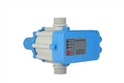
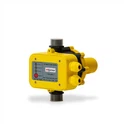
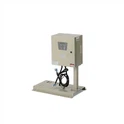
As a supplier of water pump inverters, I am excited to delve into the intricate display and monitoring functions that these devices offer. Water pump inverters are essential components in modern water management systems, providing efficient control and operation of water pumps. In this blog post, we will explore the various display and monitoring features that enhance the performance, reliability, and ease of use of water pump inverters.
Display Functions
Real - Time Parameter Display
One of the primary display functions of a water pump inverter is to show real - time operating parameters. This includes information such as the current frequency of the inverter, which directly affects the speed of the water pump. By monitoring the frequency, operators can adjust the pump's speed according to the actual water demand. For example, during periods of low water consumption, the frequency can be reduced to save energy.
The inverter also displays the motor current. Monitoring the current is crucial as it provides insights into the load on the motor. Abnormal current values may indicate issues such as a clogged pump, a malfunctioning motor, or an electrical problem. If the current is too high, it could lead to overheating of the motor and potentially cause damage.
Voltage is another important parameter shown on the display. The inverter measures and displays the input voltage and the output voltage. Stable voltage is necessary for the proper operation of the water pump. Fluctuations in voltage can affect the pump's performance and may even damage the inverter or the motor.


Status Indicators
Status indicators on the water pump inverter display are vital for quick and easy assessment of the system's condition. These indicators can show whether the inverter is running, stopped, or in an alarm state. For instance, a green light may indicate normal operation, while a red light could signal an error.
Some inverters also have indicators for specific functions. For example, a separate indicator might show if the pump is in a standby mode, ready to start when needed. This helps operators to understand the state of the system at a glance and take appropriate actions.
Menu - Driven Interface
Many modern water pump inverters come with a menu - driven display interface. This allows users to access a wide range of settings and configuration options. Through the menu, operators can set parameters such as the target pressure for a constant - pressure water supply system, the start and stop frequencies of the pump, and the acceleration and deceleration times.
The menu interface is usually intuitive and easy to navigate. It may use a combination of buttons and a display screen to allow users to scroll through different options, select values, and make adjustments. This flexibility in configuration enables the inverter to be customized according to the specific requirements of the water pumping application.
Monitoring Functions
Historical Data Logging
Some advanced water pump inverters are equipped with historical data logging capabilities. These inverters can record and store data such as the operating frequency, current, voltage, and running time over a certain period. This historical data can be extremely valuable for analysis and troubleshooting.
For example, by analyzing the frequency data over time, operators can identify patterns in water demand. They can determine if there are peak usage times during the day or week and adjust the pump's operation accordingly. In case of a malfunction, the historical data can help technicians to diagnose the problem by looking at the operating conditions leading up to the failure.
Remote Monitoring
With the advancement of technology, many water pump inverters now support remote monitoring. This feature allows users to monitor the inverter's operation from a remote location, such as an office or a control center. Remote monitoring can be achieved through various means, such as a dedicated software application or a web - based platform.
Through remote monitoring, operators can access real - time data, view historical records, and even control the inverter's settings. This is particularly useful for large - scale water pumping systems spread over a wide area. For example, in a municipal water supply network, remote monitoring enables the central control room to manage multiple water pumps efficiently, respond quickly to any issues, and optimize the overall water distribution.
Alarm and Fault Monitoring
Water pump inverters are designed to detect and report various faults and alarms. When a fault occurs, such as an over - current condition, an over - temperature event, or a communication error, the inverter will trigger an alarm. The alarm can be in the form of a visual indication on the display, an audible signal, or both.
In addition to the immediate alarm, the inverter also stores information about the fault. This includes the type of fault, the time it occurred, and the values of relevant parameters at the time of the fault. This information is crucial for troubleshooting and maintenance. Technicians can use this data to quickly identify the root cause of the problem and take appropriate corrective actions.
Specific Inverter Models and Their Features
Wall - mounted LCD Screen Inverter
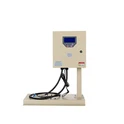
The Wall - mounted LCD Screen Inverter offers a clear and easy - to - read display. The large LCD screen provides a comprehensive view of all the important operating parameters and status indicators. Its wall - mounted design makes it convenient to install in various locations, such as a pump room or a control cabinet.
This inverter is known for its user - friendly interface. The menu - driven system allows for easy configuration of parameters, and the status indicators are clearly visible. It also has advanced monitoring functions, including historical data logging and remote monitoring capabilities. This makes it a popular choice for both small - scale and medium - scale water pumping applications.
380V Water Pump Inverter
The 380V Water Pump Inverter is designed for applications that require a higher voltage supply. It is suitable for larger water pumps used in industrial and commercial settings. This inverter provides accurate display and monitoring of all relevant parameters, ensuring the reliable operation of the pump.
The 380V inverter has robust protection mechanisms. The display shows detailed information about any faults or alarms, allowing operators to quickly address the issues. It also supports remote monitoring, enabling efficient management of the water pumping system from a distance.
Variable Frequency Pump Constant Voltage Controller
The Variable Frequency Pump Constant Voltage Controller is specifically designed to maintain a constant pressure in the water supply system. Its display is focused on parameters related to pressure control, such as the set pressure, the actual pressure, and the error between them.
This controller offers precise control over the pump's speed to ensure a stable water pressure. The monitoring functions help to detect any deviations from the set pressure and make automatic adjustments. It also records historical pressure data, which can be used for analysis and optimization of the water supply system.
Conclusion
The display and monitoring functions of water pump inverters play a crucial role in the efficient and reliable operation of water pumping systems. These functions provide real - time information about the pump's operation, help in troubleshooting, and enable users to optimize the system's performance.
Whether you are looking for a wall - mounted inverter with a clear LCD display, a high - voltage inverter for industrial applications, or a constant - voltage controller, our range of water pump inverters offers the features and functionality you need. If you are interested in learning more about our products or would like to discuss a specific water pumping application, we encourage you to contact us for a detailed consultation. Our team of experts is ready to assist you in finding the best solution for your needs.
References
- Drives and Controls Handbook, Peter W. Ford, 2012
- Electrical Installation and Maintenance, Thomas A. Miller, 2014
- Pump Handbook, Igor J. Karassik et al., 2008