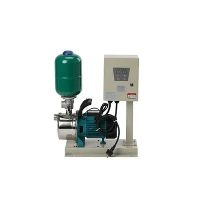
When it comes to managing water pumps efficiently, the use of a water pump automatic controller is crucial. As a supplier of Water Pump Automatic Controllers, I've witnessed firsthand the different requirements and scenarios for surface pumps and submersible pumps. In this blog, I'll explore the differences in using a water pump automatic controller with these two types of pumps.
1. Understanding Surface Pumps and Submersible Pumps
Before delving into the differences in controller usage, it's essential to understand the basic characteristics of surface pumps and submersible pumps.
Surface pumps are typically installed above the water source. They work by creating a vacuum to draw water from the source into the pump and then pushing it through the pipes. These pumps are commonly used for applications such as garden watering, small - scale irrigation, and supplying water to buildings from a nearby well or tank.
Submersible pumps, on the other hand, are designed to be submerged in the water source. They operate by pushing water directly from the source to the destination. Submersible pumps are often used in deep wells, large - scale irrigation systems, and industrial water supply applications where high - volume and high - pressure water delivery are required.
2. Installation Considerations
The installation process of a water pump automatic controller differs significantly between surface pumps and submersible pumps.
Surface Pumps
For surface pumps, the automatic controller is usually installed close to the pump itself. This is because surface pumps are located above the water source, and the controller needs to be easily accessible for maintenance and adjustment. The controller is connected to the pump's electrical circuit and the water supply line. Since surface pumps rely on a vacuum to draw water, the controller must be able to detect the presence of water in the intake pipe. If the water level in the source drops too low, the controller should shut off the pump to prevent damage from running dry.
Submersible Pumps
Submersible pump automatic controllers are often installed at a convenient location above the water level, such as in a control panel near the building or at the surface of the well. The connection between the controller and the submersible pump is made through a cable that runs down into the water. One of the main challenges in installing a controller for a submersible pump is ensuring the cable's integrity, as it is constantly exposed to water and potential mechanical stress. The controller must also be able to handle the high - voltage and high - current requirements of submersible pumps, which are typically more powerful than surface pumps.
3. Pressure and Flow Rate Requirements
The pressure and flow rate requirements for surface pumps and submersible pumps also affect the way the automatic controller is used.
Surface Pumps
Surface pumps generally have lower pressure and flow rate capabilities compared to submersible pumps. The automatic controller for a surface pump is designed to maintain a relatively low and stable pressure in the water supply system. For example, in a garden watering system, the controller may be set to maintain a pressure of around 20 - 30 psi (pounds per square inch) to ensure a consistent flow of water through the sprinklers. The controller can also adjust the pump's operation based on the water demand. When the water demand is low, the controller may reduce the pump's speed or shut it off to save energy.


Submersible Pumps
Submersible pumps are capable of delivering high - pressure and high - flow rate water. In industrial applications or large - scale irrigation systems, the pressure requirements can be as high as 100 psi or more. The automatic controller for a submersible pump must be able to handle these high - pressure conditions and maintain a stable flow rate. It may use advanced control algorithms to adjust the pump's speed and power output based on the real - time water demand. For instance, if the water demand suddenly increases, the controller can increase the pump's speed to ensure an adequate supply of water.
4. Protection Features
Both surface pumps and submersible pumps require certain protection features to prevent damage, but the specific requirements vary.
Surface Pumps
One of the most important protection features for surface pumps is dry - run protection. Since surface pumps rely on water to cool the motor, running dry can cause overheating and damage to the pump. The automatic controller for a surface pump should be able to detect when the water level in the intake pipe drops below a certain level and shut off the pump immediately. Additionally, the controller can provide protection against over - voltage and under - voltage conditions, which can also damage the pump's motor.
Submersible Pumps
Submersible pumps are more vulnerable to damage from high - temperature and high - pressure conditions. The automatic controller for a submersible pump should include features such as thermal protection to prevent the motor from overheating. It should also be able to detect any abnormal pressure changes in the water supply system and shut off the pump if necessary. Another important protection feature is short - circuit protection, as the cable connecting the controller to the submersible pump is at risk of damage, which could lead to a short - circuit.
5. Energy Efficiency
Energy efficiency is a key consideration in the use of water pump automatic controllers for both surface pumps and submersible pumps.
Surface Pumps
Surface pumps are generally less energy - efficient than submersible pumps due to their lower power and pressure capabilities. However, the automatic controller can still play an important role in improving energy efficiency. By adjusting the pump's speed and operation based on the water demand, the controller can reduce the energy consumption of the surface pump. For example, during periods of low water demand, the controller can put the pump into a standby mode or reduce its speed, which saves electricity.
Submersible Pumps
Submersible pumps are more powerful and energy - consuming than surface pumps. The automatic controller for a submersible pump can optimize the pump's operation to achieve maximum energy efficiency. It can use variable - frequency drive (VFD) technology to adjust the pump's speed according to the water demand. This means that the pump only consumes the amount of energy required to meet the actual water flow and pressure requirements, resulting in significant energy savings over time.
6. Types of Automatic Controllers
There are different types of water pump automatic controllers available for both surface pumps and submersible pumps.
For Surface Pumps
- Automatic Restart Pump Controller: This type of controller is designed to restart the pump automatically after a power outage or a temporary shutdown. It is especially useful for surface pumps in residential and small - scale applications where the water supply needs to be restored quickly. You can learn more about it Automatic Restart Pump Controller.
- Adjustable Pump Pressure Controller: An adjustable pump pressure controller allows users to set the desired pressure in the water supply system. This is useful for surface pumps in applications where the pressure requirements may vary, such as in a garden watering system with different types of sprinklers. Check out Adjustable Pump Pressure Controller for more details.
For Submersible Pumps
- 2.2KW Electric Water Pump Pressure Switch: This type of controller is suitable for submersible pumps with a power rating of 2.2KW. It can detect the pressure in the water supply system and turn the pump on or off accordingly. To find out more, visit 2.2KW Electric Water Pump Pressure Switch.
7. Conclusion and Call to Action
In conclusion, the differences in using a water pump automatic controller with a surface pump and a submersible pump are significant. These differences stem from the unique characteristics of each type of pump, including installation requirements, pressure and flow rate needs, protection features, and energy efficiency considerations.
As a supplier of Water Pump Automatic Controllers, we understand the specific requirements of both surface pumps and submersible pumps. Our controllers are designed to provide reliable and efficient operation for a wide range of applications. Whether you are looking for a controller for a small - scale surface pump or a large - scale submersible pump, we have the right solution for you.
If you are interested in learning more about our products or discussing your specific water pump control needs, please feel free to contact us for a detailed consultation. We look forward to working with you to optimize your water pump system.
References
- "Water Pump Handbook" by Cameron Hydraulic Data
- "Pump Engineering" by Igor J. Karassik