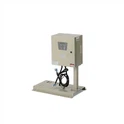
When it comes to the installation of pump inverters, one common question that often arises is whether a pump inverter can be wall-mounted. As a reputable pump inverter supplier, we understand the importance of providing clear and accurate information to our customers. In this blog post, we will explore the feasibility of wall-mounting pump inverters, the benefits it offers, and the key considerations to keep in mind.
Feasibility of Wall-Mounting Pump Inverters
The short answer is yes, many pump inverters can be wall-mounted. Most modern pump inverters are designed with wall-mounting options in mind, thanks to the growing demand for flexible and space-efficient installation solutions. Wall-mounting is a popular choice for both residential and commercial settings, as it allows users to save valuable floor space and keep the inverter in a convenient and accessible location.
However, not all pump inverters are suitable for wall-mounting. The feasibility of wall-mounting depends on several factors, including the size and weight of the inverter, the design of its enclosure, and the specific requirements of the installation environment. Before deciding to wall-mount a pump inverter, it is essential to consult the manufacturer's installation manual to ensure that the inverter is rated for wall-mounting and to follow the recommended installation procedures.
Benefits of Wall-Mounting Pump Inverters
Wall-mounting pump inverters offers several notable benefits, making it an attractive option for many users. Here are some of the key advantages:
Space Savings
One of the primary benefits of wall-mounting pump inverters is the significant space savings it provides. In areas where floor space is limited, such as small workshops, utility rooms, or commercial buildings with high rental costs, wall-mounting the inverter can free up valuable floor space for other equipment or activities. This is particularly beneficial for applications where multiple pumps and associated equipment need to be installed in a confined area.
Easy Accessibility
Wall-mounting the pump inverter at a convenient height makes it easier for users to access the inverter's controls, displays, and terminals. This simplifies maintenance, monitoring, and troubleshooting tasks, as operators can easily reach the inverter without having to bend down or move other equipment out of the way. Additionally, wall-mounted inverters are less likely to be obstructed by debris or other objects, reducing the risk of damage and ensuring reliable operation.
Improved Ventilation
Proper ventilation is crucial for the efficient and reliable operation of pump inverters. Wall-mounting the inverter allows for better air circulation around the unit, which helps to dissipate heat more effectively. This can extend the lifespan of the inverter and reduce the risk of overheating, especially in applications where the inverter is operating under heavy loads or in high-temperature environments.
Enhanced Safety
Wall-mounting the pump inverter can also enhance safety by keeping the unit out of reach of unauthorized personnel and reducing the risk of accidental damage. In addition, wall-mounted inverters are less likely to be knocked over or subjected to impact, which can help to prevent electrical faults and other safety hazards.
Key Considerations for Wall-Mounting Pump Inverters
While wall-mounting pump inverters offers many benefits, there are several important considerations to keep in mind to ensure a safe and successful installation. Here are some key factors to consider:
Wall Structure
The first step in wall-mounting a pump inverter is to ensure that the wall structure is strong enough to support the weight of the inverter. The installation manual provided by the manufacturer will typically specify the minimum wall strength requirements and the recommended mounting hardware. In general, it is best to mount the inverter on a solid, non-combustible wall, such as a concrete or brick wall. If mounting on a wooden wall, additional reinforcement may be required to ensure proper support.
Location
The location of the wall-mounted inverter is also crucial. It should be installed in a dry, well-ventilated area away from direct sunlight, moisture, and excessive heat. Avoid installing the inverter near sources of dust, dirt, or chemicals, as these can damage the internal components of the inverter. Additionally, the inverter should be installed at a height that is convenient for access but out of reach of children and unauthorized personnel.
Electrical Requirements
Before installing the pump inverter, it is important to ensure that the electrical supply meets the requirements of the inverter. This includes the voltage, frequency, and phase of the electrical supply, as well as the size and type of the circuit breaker or fuse. It is also important to ensure that the electrical wiring is properly sized and installed in accordance with local electrical codes and regulations.
Cooling and Ventilation
As mentioned earlier, proper cooling and ventilation are essential for the efficient and reliable operation of pump inverters. When wall-mounting the inverter, it is important to ensure that there is sufficient space around the unit for air circulation. The installation manual will typically specify the minimum clearance requirements for the inverter, including the distance from the walls, ceiling, and other objects. In some cases, additional cooling measures, such as fans or heat sinks, may be required to ensure proper heat dissipation.
Environmental Conditions
The environmental conditions of the installation location can also have a significant impact on the performance and lifespan of the pump inverter. In areas with high humidity, for example, it may be necessary to install a dehumidifier or use a waterproof enclosure to protect the inverter from moisture. In areas with high levels of dust or dirt, a dust filter or air intake system may be required to prevent the accumulation of debris inside the inverter.


Our Pump Inverter Products
At our company, we offer a wide range of high-quality pump inverters that are suitable for wall-mounting. Our products are designed to provide reliable and efficient performance in a variety of applications, including water pumps, swimming pool pumps, and industrial pumps.
One of our popular products is the Pump Constant Pressure Variable Speed Drive Inverter, which is designed to maintain a constant pressure in water supply systems. This inverter features advanced control algorithms and adjustable parameters, allowing for precise control of the pump speed and pressure. It also offers a wide range of protection functions, such as overvoltage, undervoltage, overcurrent, and short-circuit protection, to ensure the safety and reliability of the pump system.
Another product we offer is the Swimming Pool Pump Inverter, which is specifically designed for use in swimming pool applications. This inverter allows for variable speed control of the pool pump, which can significantly reduce energy consumption and operating costs. It also features a built-in timer and multiple operating modes, allowing users to customize the pump operation according to their specific needs.
We also have the New Three-phase Water Pump Inverter, which is suitable for a wide range of three-phase water pump applications. This inverter offers high efficiency, reliable performance, and easy installation. It is equipped with advanced features such as automatic energy-saving mode, fault diagnosis, and communication interfaces, making it an ideal choice for both residential and commercial water pump systems.
Contact Us for Purchase and Consultation
If you are interested in purchasing a pump inverter or have any questions about wall-mounting pump inverters, please feel free to contact us. Our team of experienced professionals is available to provide you with detailed product information, technical support, and customized solutions to meet your specific requirements. We are committed to providing our customers with the highest quality products and services, and we look forward to working with you.
References
- Manufacturer's installation manuals for pump inverters
- Electrical codes and regulations related to inverter installation
- Industry standards and best practices for pump inverter installation and operation