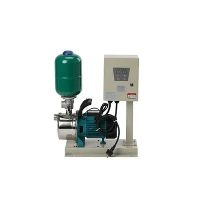
As a supplier of water pump inverters, I've witnessed firsthand the pivotal role these devices play in modern water management systems. Water pump inverters are essential for regulating the speed and power of water pumps, ensuring efficient operation and energy savings. However, like any complex technology, they are not without their challenges. In this blog post, I'll delve into the common problems associated with water pump inverters, offering insights based on my experience in the industry.
Overheating
One of the most prevalent issues with water pump inverters is overheating. Inverters generate heat during operation, and if this heat is not dissipated effectively, it can lead to a range of problems. High temperatures can cause the inverter's components to degrade prematurely, reducing its lifespan and reliability. In extreme cases, overheating can even trigger a thermal shutdown, halting the operation of the water pump.
There are several factors that can contribute to overheating. Poor ventilation is a common culprit, especially in installations where the inverter is enclosed in a cabinet or placed in a confined space. Dust and debris can also accumulate on the inverter's heat sink, obstructing the flow of air and impeding heat dissipation. Additionally, operating the inverter at high loads for extended periods can generate excessive heat, pushing the device beyond its thermal limits.


To mitigate the risk of overheating, it's crucial to ensure proper ventilation and cooling. This may involve installing the inverter in a well-ventilated area, using fans or heat exchangers to enhance air circulation, and regularly cleaning the heat sink to remove dust and debris. It's also important to size the inverter correctly for the application, avoiding overloading the device and ensuring that it operates within its recommended temperature range.
Electrical Interference
Another common problem with water pump inverters is electrical interference. Inverters use high-frequency switching circuits to convert DC power to AC power, and these circuits can generate electromagnetic interference (EMI) that can disrupt the operation of other electrical equipment in the vicinity. EMI can cause problems such as noise in audio and video systems, interference with radio and wireless communications, and malfunctions in sensitive electronic devices.
Electrical interference can also affect the performance of the inverter itself. EMI can cause the inverter's control circuits to malfunction, leading to erratic operation, inaccurate speed control, and even system failures. In addition, EMI can damage the inverter's components over time, reducing its reliability and lifespan.
To minimize the impact of electrical interference, it's important to take appropriate measures to shield the inverter and other electrical equipment. This may involve using shielded cables, installing EMI filters, and grounding the inverter properly. It's also important to keep the inverter away from sensitive electronic devices and to ensure that the installation complies with relevant electromagnetic compatibility (EMC) standards.
Faulty Sensors
Water pump inverters rely on sensors to monitor various parameters such as water pressure, flow rate, and temperature. These sensors provide feedback to the inverter's control system, allowing it to adjust the speed and power of the water pump accordingly. However, sensors can sometimes malfunction, leading to inaccurate readings and improper operation of the inverter.
Faulty sensors can be caused by a variety of factors, including electrical problems, mechanical damage, and environmental factors such as moisture and temperature. For example, a sensor that is exposed to high levels of moisture may develop corrosion, which can affect its accuracy and reliability. Similarly, a sensor that is subjected to mechanical stress or vibration may become damaged, leading to incorrect readings.
To detect and diagnose faulty sensors, it's important to perform regular maintenance and testing. This may involve checking the sensor's wiring and connections, calibrating the sensor, and replacing any damaged or worn components. It's also important to monitor the sensor's readings during operation and to look for any signs of abnormal behavior, such as sudden changes in readings or readings that are outside the normal range.
Communication Issues
Many modern water pump inverters are equipped with communication interfaces that allow them to be connected to other devices such as programmable logic controllers (PLCs), human-machine interfaces (HMIs), and remote monitoring systems. These communication interfaces enable the inverter to exchange data with other devices, allowing for centralized control and monitoring of the water pump system.
However, communication issues can sometimes arise, preventing the inverter from communicating effectively with other devices. These issues can be caused by a variety of factors, including faulty wiring, incorrect settings, and electromagnetic interference. For example, a loose or damaged communication cable can disrupt the flow of data between the inverter and other devices, while incorrect communication settings can prevent the devices from recognizing each other.
To troubleshoot communication issues, it's important to check the wiring and connections between the inverter and other devices, ensure that the communication settings are correct, and use appropriate diagnostic tools to identify and resolve any problems. It's also important to follow the manufacturer's instructions and guidelines when installing and configuring the communication interfaces to ensure proper operation.
Compatibility Problems
When integrating a water pump inverter into an existing water management system, compatibility problems can sometimes arise. These problems can occur when the inverter is not compatible with other components of the system, such as the water pump, the control panel, or the power supply. Compatibility issues can lead to a range of problems, including improper operation, reduced efficiency, and system failures.
To avoid compatibility problems, it's important to carefully select the inverter based on the requirements of the application and the specifications of the other components of the system. This may involve consulting with the manufacturer or a qualified engineer to ensure that the inverter is compatible with the water pump, the control panel, and the power supply. It's also important to test the inverter and the other components of the system together before installing them in the field to ensure proper operation.
Conclusion
Water pump inverters are essential components of modern water management systems, offering significant benefits in terms of energy efficiency, speed control, and system reliability. However, like any complex technology, they are not without their challenges. Overheating, electrical interference, faulty sensors, communication issues, and compatibility problems are some of the common problems that can occur with water pump inverters.
As a supplier of water pump inverters, I understand the importance of addressing these issues to ensure the reliable and efficient operation of our customers' water management systems. That's why we offer a range of high-quality water pump inverters, including Low-power Water Pump Inverter, New LCD Display Inverter, and Pump Constant Pressure Variable Speed Drive Inverter, that are designed to minimize the risk of these problems and provide long-lasting performance.
If you're experiencing problems with your water pump inverter or if you're looking for a reliable and efficient solution for your water management system, I encourage you to contact us. Our team of experts is available to provide you with technical support, product recommendations, and assistance with installation and maintenance. Let's work together to ensure the success of your water management system.
References
- "Water Pump Inverter Handbook," Manufacturer's Manual
- "Electromagnetic Compatibility in Electrical Systems," Industry Standard Publication
- "Sensor Technology and Applications," Technical Journal Article