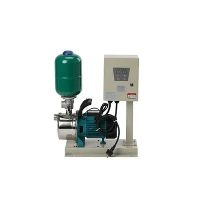
Hey there! As a supplier of water pump automatic controllers, I've seen my fair share of issues that customers face. These controllers are super handy, as they automate the operation of water pumps, making life easier. But like any piece of equipment, they can run into problems. Let's dive into some of the common problems with water pump automatic controllers.
1. Electrical Malfunctions
One of the most frequent issues is electrical malfunctions. You know, the controller relies on electricity to function properly. Sometimes, the power supply can be unstable. Maybe there are fluctuations in the voltage, or there's a problem with the wiring. If the voltage is too high or too low, it can mess up the controller's operation. For example, it might cause the controller to turn the pump on and off erratically.
Another aspect is the internal electrical components. Over time, these components can wear out. Capacitors, resistors, and relays are all parts that can fail. When a relay fails, it might not be able to switch the pump on or off as it should. And if a capacitor goes bad, it can affect the controller's ability to regulate the pressure accurately.
We offer a great Intelligent Adjustable Pressure Pump Control Switch that's designed to handle some electrical issues better. It has built - in protection against voltage fluctuations, which can help prevent damage to the internal components.
2. Pressure Sensor Problems
The pressure sensor is a crucial part of the water pump automatic controller. It's responsible for measuring the water pressure and sending signals to the controller to turn the pump on or off. But these sensors can have problems.
One common issue is sensor clogging. If there are debris or sediment in the water, they can get into the pressure sensor and block it. When this happens, the sensor might not be able to accurately measure the pressure. It could give false readings, which would lead to the pump operating incorrectly. For instance, it might keep the pump running when the pressure is actually high enough, or it might not turn the pump on when the pressure drops.
Sensor calibration is also a problem. Over time, the sensor might lose its calibration. This means that the readings it gives are no longer accurate. Even a small calibration error can cause significant issues with the pump's operation. Our Digital Display Water Pump Pressure Controller has a feature that allows for easy calibration, which can help solve this problem.
3. Leakage
Leakage is another headache. It can occur in different parts of the system, but it often affects the controller. If there's a leak in the pipes connected to the controller, it can cause a drop in pressure. The controller might then think that the pressure is lower than it actually is and keep the pump running continuously.
Leakage can also damage the controller itself. Water getting into the controller can short - circuit the electrical components. This can lead to permanent damage and the need for a replacement. Sometimes, the seals around the connections of the controller can wear out, causing leaks. It's important to regularly check for any signs of leakage, like water pooling around the controller or a decrease in water pressure.


4. Incorrect Settings
Customers sometimes set the controller incorrectly. Maybe they don't understand the instructions, or they make a mistake when adjusting the settings. For example, setting the cut - in and cut - out pressure values too close together can cause the pump to cycle on and off too frequently. This is not only annoying but can also shorten the lifespan of the pump and the controller.
On the other hand, if the pressure settings are set too high or too low, it can lead to inefficient operation. The pump might not be able to build up enough pressure to supply water properly, or it might run at a higher pressure than necessary, wasting energy. Our Electric Water Pump Controller comes with clear instructions and an easy - to - use interface to help customers set the correct parameters.
5. Compatibility Issues
Compatibility can be a real pain. Sometimes, the water pump automatic controller might not be compatible with the pump or the rest of the water system. For example, if the controller is rated for a certain flow rate and the pump has a much higher flow rate, it might not be able to control the pump effectively.
The type of pump also matters. Some controllers are designed for submersible pumps, while others are for surface pumps. Using the wrong type of controller with a pump can lead to all sorts of problems, like the pump not starting or not shutting off correctly. Before purchasing a controller, it's essential to make sure it's compatible with your pump and water system.
6. Environmental Factors
The environment where the controller is installed can have an impact on its performance. High humidity can cause corrosion of the electrical components. If the controller is installed in a damp basement or near a water source, the moisture in the air can slowly damage the internal parts.
Extreme temperatures can also be an issue. In very hot environments, the components can overheat, which can lead to malfunctions. And in cold temperatures, the water in the pipes and the controller can freeze, causing damage. It's important to install the controller in a suitable environment and, if necessary, take measures to protect it from environmental factors.
How to Deal with These Problems
If you're facing any of these problems, don't worry. First, check the power supply and make sure it's stable. You can use a voltage tester to check the voltage. If there are any loose wires, tighten them.
For pressure sensor problems, try cleaning the sensor if it's clogged. You can use a soft brush and some clean water to gently remove the debris. If the sensor is out of calibration, follow the calibration instructions in the user manual.
If you suspect a leak, check all the connections and seals. Tighten any loose connections, and if the seals are worn out, replace them.
When it comes to incorrect settings, refer to the user manual and double - check the settings. Make sure you understand how to set the cut - in and cut - out pressures correctly.
If you're having compatibility issues, contact the manufacturer or a professional to help you choose the right controller for your pump.
And if environmental factors are causing problems, consider installing the controller in a more suitable location or using protective enclosures.
Conclusion
Water pump automatic controllers are great tools, but they can face several common problems. Electrical malfunctions, pressure sensor issues, leakage, incorrect settings, compatibility problems, and environmental factors can all affect their performance. But with the right knowledge and the right products, these problems can be solved.
We're here to help you with all your water pump automatic controller needs. Whether you're looking for a new controller or need advice on dealing with problems, feel free to reach out. We have a wide range of high - quality controllers, like the Intelligent Adjustable Pressure Pump Control Switch, Electric Water Pump Controller, and Digital Display Water Pump Pressure Controller. Contact us to discuss your requirements and let's find the best solution for you.
References
- General knowledge from years of experience in the water pump automatic controller industry.
- User manuals of various water pump automatic controllers.