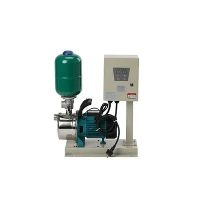
Hey there! As a supplier of Variable Frequency Drive (VFD) pumps, I've seen firsthand how these nifty devices can revolutionize water circulation systems. In this blog post, I'm gonna break down the advantages of using a VFD pump in a water circulation system. So, let's dive right in!
Energy Efficiency
One of the biggest perks of using a VFD pump in a water circulation system is energy efficiency. Traditional pumps usually run at a fixed speed, which means they consume the same amount of energy regardless of the actual demand. This often leads to a lot of wasted energy, especially when the system doesn't need a full flow rate.
On the other hand, VFD pumps can adjust their speed according to the system's requirements. When the demand for water is low, the pump slows down, consuming less energy. When the demand increases, the pump speeds up to meet it. This ability to vary the speed results in significant energy savings. In fact, studies have shown that VFD pumps can reduce energy consumption by up to 50% compared to fixed - speed pumps. That's a huge deal, not only for the environment but also for your wallet.
Let's say you have a large building with a water circulation system for heating or cooling. During off - peak hours, the demand for water flow is much lower. A VFD pump will automatically slow down, using less electricity and cutting down on your energy bills. Over time, these savings can really add up.
Precise Flow Control
Another great advantage is precise flow control. In a water circulation system, different applications may require different flow rates at different times. For example, in an industrial process, some stages may need a high flow rate, while others need a low one.
A VFD pump can provide accurate control over the flow rate. You can easily adjust the pump's speed to achieve the exact flow rate you need. This is much more reliable than using traditional throttling valves, which can cause inefficiencies and wear and tear on the system.

With a VFD pump, you can set up the system to maintain a constant pressure or flow rate, even as the demand changes. This ensures that your water circulation system operates smoothly and efficiently, without any sudden spikes or drops in pressure that could disrupt the process.
Extended Equipment Lifespan
VFD pumps can also extend the lifespan of your water circulation system equipment. Fixed - speed pumps often start and stop abruptly, which can cause a lot of stress on the pump and other components in the system. This stress can lead to premature wear and tear, and eventually, equipment failure.
In contrast, VFD pumps start and stop gradually. This soft - start and soft - stop feature reduces the mechanical stress on the pump, motor, and pipes. It also minimizes the risk of water hammer, which is a sudden pressure surge in the pipes that can damage the system.
By reducing the stress on the equipment, VFD pumps can significantly extend their lifespan. This means fewer replacements and repairs, saving you both time and money in the long run.
Reduced Maintenance Costs
Since VFD pumps are more energy - efficient, have precise flow control, and cause less stress on the equipment, they also result in reduced maintenance costs. With less wear and tear, there are fewer breakdowns and less need for frequent maintenance.
The ability to adjust the pump speed also allows for better system optimization. You can run the pump at an optimal speed that minimizes the risk of clogging and other issues. This proactive approach to system management can prevent costly problems from occurring in the first place.
For example, in a water treatment plant, a VFD pump can be adjusted to maintain the right flow rate to prevent sediment buildup in the pipes. This reduces the need for regular pipe cleaning and maintenance.
Flexibility and Adaptability
VFD pumps offer a high degree of flexibility and adaptability. They can be easily integrated into existing water circulation systems. Whether you have a small residential system or a large industrial one, a VFD pump can be customized to fit your specific needs.

If your system's requirements change over time, you can simply adjust the settings of the VFD pump. For instance, if you expand your building and need a higher flow rate, you can increase the pump speed without having to replace the entire pump.

This flexibility makes VFD pumps a great investment for the long term. You don't have to worry about your system becoming obsolete as your needs evolve.
Improved System Performance
Using a VFD pump can also lead to improved overall system performance. The precise flow control and energy efficiency ensure that the water circulation system operates at its best.
In a commercial building's HVAC system, for example, a VFD pump can maintain a consistent temperature by adjusting the water flow rate. This results in a more comfortable environment for the occupants. In an industrial process, it can ensure that the process runs smoothly and efficiently, improving product quality.
Our Product Range
As a supplier, we offer a variety of VFD pumps to suit different applications. Check out our Intelligent Variable Frequency Water Pump, VSD Frequency Conversion Water Pump, and Integrated Frequency Conversion Water Pump. These pumps are designed with the latest technology to provide the best performance and energy savings.
Conclusion
In conclusion, using a VFD pump in a water circulation system offers numerous advantages, including energy efficiency, precise flow control, extended equipment lifespan, reduced maintenance costs, flexibility, and improved system performance. If you're looking to upgrade your water circulation system, a VFD pump is definitely worth considering.

If you're interested in learning more about our VFD pumps or have any questions about how they can benefit your specific application, don't hesitate to reach out. We're here to help you make the right choice for your water circulation needs. Let's start a conversation about how our VFD pumps can transform your system!
References
- DOE. (n.d.). Energy - Efficient Pumping Systems. U.S. Department of Energy.
- Hydraulic Institute. (n.d.). Variable Frequency Drives for Pumping Systems.