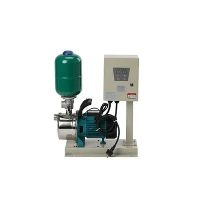
As a supplier of Variable Frequency Drive (VFD) pumps, I often encounter customers who are unsure about how to set the parameters of a VFD for a pump. Proper parameter setting is crucial for the efficient and reliable operation of the pump system. In this blog post, I will guide you through the process of setting the parameters of a VFD for a pump, sharing some practical tips and considerations based on my experience in the industry.
Understanding the Basics of Variable Frequency Drives
Before diving into the parameter - setting process, it's important to understand what a VFD is and how it works. A Variable Frequency Drive is an electronic device that controls the speed of an electric motor by varying the frequency and voltage supplied to the motor. For pumps, this means that the VFD can adjust the pump's flow rate and pressure according to the system's demand.
The main advantages of using a VFD for a pump include energy savings, improved process control, and reduced wear and tear on the pump and motor. By running the pump at the optimal speed, energy consumption can be significantly reduced, especially in applications where the demand varies over time.
Initial Steps Before Parameter Setting
1. Read the Manual
The first step is to thoroughly read the VFD's user manual. Each VFD model has its own set of parameters and a specific way of accessing and adjusting them. The manual will provide detailed instructions on how to navigate through the parameter menu and what each parameter means.
2. Gather System Information
Collect information about the pump and the system it is installed in. This includes the pump's rated power, rated speed, maximum flow rate, and head. Also, consider the characteristics of the fluid being pumped, such as its viscosity and density. Understanding the system's demand profile, such as peak and off - peak flow requirements, is also essential.
Key Parameters to Set
1. Motor Parameters
- Rated Voltage and Frequency: Set the rated voltage and frequency of the motor according to its nameplate. This ensures that the VFD provides the correct electrical supply to the motor, preventing over - or under - voltage situations.
- Rated Current and Power: Enter the motor's rated current and power values. These parameters are used by the VFD to protect the motor from over - current conditions and to calculate the motor's load. If these values are not set correctly, the VFD may not be able to accurately protect the motor or optimize its performance.
2. Speed - Related Parameters
- Base Speed: The base speed is the motor's rated speed. Set this parameter to match the pump's optimal operating speed. In some cases, the base speed may need to be adjusted slightly to achieve the desired flow rate and pressure.
- Minimum and Maximum Speed: Define the minimum and maximum speeds at which the pump can operate. The minimum speed should be set high enough to ensure that the pump can still generate sufficient pressure to meet the system's demand, while the maximum speed should not exceed the pump's mechanical limits.
3. Control Mode Parameters
- Pressure or Flow Control: Determine whether the VFD will control the pump based on pressure or flow. In many water supply systems, pressure control is more common. For example, in a Frequency Conversion Constant Pressure Water Pump system, the VFD adjusts the pump speed to maintain a constant pressure in the pipeline.
- Setpoint: If using pressure or flow control, set the desired setpoint. This is the target pressure or flow rate that the VFD will try to maintain. The setpoint can be adjusted based on the system's requirements.
4. Acceleration and Deceleration Time
- Acceleration Time: This is the time it takes for the pump to reach its set speed from a standstill. A longer acceleration time can reduce mechanical stress on the pump and motor, especially in large - capacity pumps. However, if the acceleration time is too long, it may not be able to respond quickly to sudden increases in demand.
- Deceleration Time: The deceleration time is the time it takes for the pump to stop from its operating speed. Similar to the acceleration time, a proper deceleration time can prevent water hammer and mechanical damage to the system.
5. Protection Parameters
- Over - Current Protection: Set the over - current protection level. This parameter determines the maximum current that the VFD will allow the motor to draw. If the current exceeds this level, the VFD will trip and stop the motor to prevent damage.
- Over - Temperature Protection: Some VFDs have built - in over - temperature protection. Set the temperature limits according to the motor's and VFD's specifications. High temperatures can cause insulation breakdown and reduce the lifespan of the components.
Fine - Tuning the Parameters
After setting the initial parameters, it's time to start the pump and observe its operation. Monitor the system's performance, including the flow rate, pressure, and energy consumption. Make small adjustments to the parameters as needed.
1. Pressure and Flow Regulation
If the system is using pressure or flow control, check if the setpoint is being maintained accurately. If the pressure or flow rate fluctuates too much, adjust the control parameters such as the proportional - integral - derivative (PID) gains. The PID controller in the VFD can be fine - tuned to improve the system's response and stability.
2. Energy Optimization
Monitor the energy consumption of the pump. If the energy consumption is higher than expected, consider adjusting the speed - related parameters. For example, reducing the maximum speed during off - peak hours can lead to significant energy savings.
Special Considerations for Different Applications
1. Domestic Water Supply
In Household Variable Frequency Water Pump applications, the demand is often intermittent. Set the parameters to ensure quick response to changes in demand while maintaining a stable pressure. A short acceleration and deceleration time may be appropriate to provide immediate water supply when a tap is opened.
2. Industrial Applications
Industrial applications may have more complex requirements. For example, in a process where the fluid has a high viscosity, the pump may require more power to operate. Adjust the motor and speed parameters accordingly. In applications where the demand is highly variable, such as in a manufacturing plant with multiple production lines, a more sophisticated control strategy may be needed.
Troubleshooting Common Issues
During the parameter - setting process and system operation, you may encounter some common issues.
1. Over - Current Tripping
If the VFD trips due to over - current, check if the motor parameters are set correctly. Also, inspect the pump for any mechanical problems, such as a blocked impeller or a seized bearing.
2. Pressure or Flow Instability
Pressure or flow instability can be caused by incorrect PID settings or a problem with the sensor. Check the sensor's accuracy and adjust the PID gains if necessary.
Conclusion
Setting the parameters of a Variable Frequency Drive for a pump is a critical process that requires a good understanding of the VFD, the pump, and the system. By following the steps outlined in this blog post and considering the specific requirements of your application, you can ensure the efficient and reliable operation of your pump system.


If you are interested in our Variable Frequency Drive Pumps or need further assistance with parameter setting, please feel free to contact us for more information and to start a procurement discussion. We are committed to providing high - quality products and professional technical support to meet your needs.
References
- VFD User Manuals
- Pump Manufacturer's Technical Documentation
- Industry Standards on Pump and VFD Applications