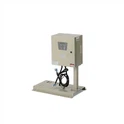
As a supplier of Water Pump Automatic Controllers, I understand the importance of reducing power consumption in water pump systems. Not only does it save costs for users, but it also contributes to environmental sustainability. In this blog, I'll share some effective ways to reduce the power consumption of a water pump automatic controller.
1. Choose the Right Controller
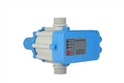
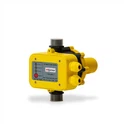
Selecting an appropriate water pump automatic controller is the first step. Different controllers have different efficiency levels and features. For example, the Clean Water Pump Controller is designed specifically for clean water applications. It has advanced control algorithms that can optimize the pump's operation based on the actual water demand. This type of controller can accurately adjust the pump's speed and on - off cycles, preventing the pump from running unnecessarily and thus reducing power consumption.
Another option is the Automatic Pressure Control Switch for Water Pump. This switch can maintain a stable water pressure in the system. When the pressure reaches a set upper limit, the pump stops; when the pressure drops to the lower limit, the pump starts again. By precisely controlling the pressure, it eliminates the need for the pump to run at full capacity all the time, which significantly reduces power usage.
2. Optimize Pump Sizing
A common mistake in many water pump systems is using an oversized pump. An oversized pump will consume more power than necessary, even when operating at partial load. To reduce power consumption, it's crucial to accurately calculate the required flow rate and head of the water system. Consider factors such as the height of the water source, the distance of water delivery, and the number of water - using points.
For instance, if you are supplying water to a small residential building, a large - scale industrial pump is clearly overkill. By choosing a pump with the right capacity, the water pump automatic controller can operate the pump more efficiently. The Automatic Restart Pump Controller can work well with properly sized pumps. It can restart the pump automatically in case of power outages or other disruptions, ensuring continuous water supply while keeping power consumption in check.
3. Implement Variable Frequency Drives (VFDs)
Variable Frequency Drives are an excellent way to reduce the power consumption of water pumps. A VFD can adjust the speed of the pump motor according to the actual water demand. When the demand is low, the VFD reduces the motor speed, which in turn reduces power consumption. As the demand increases, the VFD increases the motor speed to meet the requirement.
Most modern water pump automatic controllers can be integrated with VFDs. This combination allows for precise control of the pump's operation. For example, during off - peak hours when the water usage is minimal, the VFD can slow down the pump, saving a significant amount of energy. Studies have shown that using VFDs in water pump systems can reduce power consumption by up to 50% in some cases.
4. Regular Maintenance
Regular maintenance of the water pump and its automatic controller is essential for efficient operation. Over time, pumps can accumulate dirt, debris, and wear and tear, which can increase friction and reduce efficiency. By cleaning the pump regularly, checking the impeller for damage, and lubricating moving parts, you can ensure that the pump operates smoothly.
Similarly, the water pump automatic controller also needs maintenance. Check the electrical connections for looseness or corrosion, and update the controller's software if available. A well - maintained controller can accurately monitor and control the pump, preventing unnecessary power consumption.
5. Use Energy - Efficient Components
When constructing or upgrading a water pump system, choose energy - efficient components. This includes high - efficiency motors, low - resistance pipes, and well - designed valves. High - efficiency motors convert more electrical energy into mechanical energy, reducing waste heat and power consumption.
Low - resistance pipes minimize the pressure drop in the water system, allowing the pump to work more efficiently. Well - designed valves can control the flow of water precisely, reducing the need for the pump to work harder to maintain the desired flow rate.
6. Smart Control Strategies
Incorporate smart control strategies into the water pump automatic controller. For example, you can set up time - based control, where the pump only operates during specific hours of the day. This is useful for applications such as irrigation systems, where water is only needed at certain times.
You can also implement demand - based control. By installing sensors to measure water flow, pressure, or level, the controller can adjust the pump's operation according to the real - time demand. This ensures that the pump only uses the amount of power required to meet the actual water needs.
7. Monitor and Analyze Energy Usage
Install an energy monitoring system to track the power consumption of the water pump and its controller. By analyzing the energy usage data, you can identify patterns and areas for improvement. For example, if you notice that the pump consumes a large amount of power during a particular time of the day, you can adjust the control settings or check for potential malfunctions.
Regularly reviewing the energy usage data also allows you to evaluate the effectiveness of the energy - saving measures you've implemented. If you find that the power consumption is not decreasing as expected, you can make further adjustments to the system.
Conclusion
Reducing the power consumption of a water pump automatic controller is a multi - faceted task that involves choosing the right equipment, optimizing system design, implementing energy - saving technologies, and regular maintenance. By following the strategies outlined above, you can significantly reduce the power consumption of your water pump system, save costs, and contribute to a more sustainable future.
If you are interested in learning more about our water pump automatic controllers or have any questions regarding power - saving solutions, please feel free to contact us for a detailed discussion and potential procurement. We are committed to providing high - quality products and professional services to meet your needs.


References
- "Energy - Efficient Water Pumping Systems" by the U.S. Department of Energy.
- "Pump Handbook" by Igor J. Karassik et al.
- Technical papers on water pump control systems from industry - leading manufacturers.