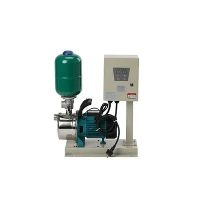
Harmonic interference is a common issue in Variable Frequency Drive (VFD) pumps, which can lead to various problems such as equipment damage, reduced efficiency, and electromagnetic interference. As a supplier of VFD pumps, including the 60HZ Frequency Conversion Water Pump, Variable Frequency Drive Water Pump, and Household Variable Frequency Water Pump, we understand the importance of addressing this problem. In this blog, we will discuss several effective ways to reduce the harmonic interference of a VFD pump.


Understanding Harmonic Interference in VFD Pumps
Before delving into the solutions, it is essential to understand what harmonic interference is and how it occurs in VFD pumps. VFDs use power electronics to control the speed of the pump motor by varying the frequency and voltage of the electrical supply. This process often generates harmonics, which are multiples of the fundamental frequency (usually 50Hz or 60Hz). These harmonics can cause distortion in the electrical waveform, leading to increased heat generation, reduced power factor, and interference with other electrical equipment.
1. Use of Line Reactors
One of the most common methods to reduce harmonic interference is the use of line reactors. Line reactors are inductive devices that are installed between the power supply and the VFD. They help to smooth out the current waveform and reduce the amplitude of the harmonics. By increasing the impedance of the electrical circuit, line reactors limit the rate of change of current, thereby reducing the harmonic distortion.
There are two types of line reactors: AC line reactors and DC link reactors. AC line reactors are installed on the input side of the VFD, while DC link reactors are installed on the DC bus inside the VFD. Both types of reactors can effectively reduce harmonic distortion, but DC link reactors are generally more effective in reducing high-frequency harmonics.
2. Installation of Harmonic Filters
Harmonic filters are another effective solution for reducing harmonic interference. These filters are designed to selectively absorb or block specific harmonic frequencies. There are two main types of harmonic filters: passive filters and active filters.
Passive filters consist of capacitors, inductors, and resistors that are tuned to specific harmonic frequencies. They are relatively simple and cost-effective, but they have limited flexibility and may require regular maintenance. Active filters, on the other hand, use power electronics to actively cancel out the harmonic currents. They are more expensive than passive filters but offer greater flexibility and better performance.
3. Proper Grounding and Shielding
Proper grounding and shielding are essential for reducing electromagnetic interference (EMI) caused by harmonic currents. The VFD pump should be properly grounded to provide a low-impedance path for the harmonic currents to flow safely to the ground. This helps to prevent the build-up of electrical charges and reduces the risk of electrical shock.
In addition to grounding, shielding can also be used to reduce EMI. Shielded cables should be used to connect the VFD to the pump motor and other electrical equipment. The shielding helps to contain the electromagnetic fields generated by the harmonic currents and prevents them from interfering with other electrical devices.
4. Selection of High-Quality VFDs
The quality of the VFD itself can also have a significant impact on the level of harmonic interference. High-quality VFDs are designed with advanced power electronics and control algorithms that minimize the generation of harmonics. When selecting a VFD for your pump, it is important to choose a model that has a low total harmonic distortion (THD) rating.
Some VFD manufacturers also offer VFDs with built-in harmonic reduction features, such as multi-pulse rectifiers or active front ends. These advanced VFDs can significantly reduce harmonic interference without the need for additional external equipment.
5. System Design and Layout Considerations
Proper system design and layout can also help to reduce harmonic interference. When installing a VFD pump system, it is important to keep the VFD and other electrical equipment away from sensitive electronic devices. This helps to minimize the risk of electromagnetic interference.
In addition, the electrical wiring should be properly sized and routed to minimize the impedance of the electrical circuit. Long wire runs and small wire sizes can increase the impedance of the circuit, leading to increased harmonic distortion. Therefore, it is recommended to use short, thick wires and to avoid running the wiring parallel to other electrical cables.
6. Regular Maintenance and Monitoring
Regular maintenance and monitoring of the VFD pump system are essential for ensuring its proper operation and reducing harmonic interference. The VFD should be inspected regularly for signs of wear and tear, and any faulty components should be replaced immediately.
Monitoring the electrical parameters of the VFD pump system, such as voltage, current, power factor, and harmonic distortion, can also help to detect any potential problems early. By using power quality analyzers or other monitoring devices, you can track the performance of the system and take corrective actions if necessary.
Conclusion
Harmonic interference is a serious issue in VFD pump systems that can lead to various problems. However, by implementing the methods discussed above, such as the use of line reactors, harmonic filters, proper grounding and shielding, selection of high-quality VFDs, proper system design and layout, and regular maintenance and monitoring, you can effectively reduce the harmonic interference and ensure the reliable operation of your VFD pump system.
As a leading supplier of VFD pumps, we offer a wide range of products and solutions to meet your specific needs. Our pumps are designed with the latest technology and high-quality components to ensure optimal performance and reliability. If you are interested in learning more about our products or need assistance in reducing harmonic interference in your VFD pump system, please feel free to contact us for a consultation. We look forward to working with you to provide the best solutions for your pumping needs.
References
- "Power Quality in Electrical Systems" by J.C. Das
- "Variable Frequency Drives: Application, Installation, and Troubleshooting" by D.W. Hart
- "Harmonics and Power Quality in Electrical Systems" by M.H. Rashid