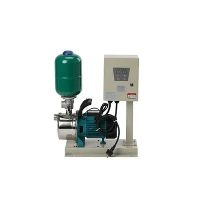
Hey there! As a supplier of household water pump controllers, I've seen firsthand how high humidity can mess with these nifty devices. In this blog, I'll share some tips on how to protect your household water pump controller from high humidity, so you can keep it running smoothly for years to come.
Understanding the Impact of High Humidity
Before we dive into the protection methods, let's quickly understand why high humidity is such a big deal for water pump controllers. Humidity refers to the amount of water vapor in the air. When the humidity is high, there's a lot of moisture floating around. This moisture can cause several problems for your pump controller:
Corrosion
Metal parts in the controller, like connectors and circuit boards, are prone to corrosion when exposed to moisture. Corrosion can damage the electrical connections, leading to poor performance or even complete failure of the controller.
Short Circuits
Excess moisture can create a conductive path between different parts of the circuit, causing short circuits. Short circuits can not only damage the controller but also pose a safety hazard.
Mold and Mildew Growth
High humidity provides a perfect environment for mold and mildew to grow. These fungi can damage the controller's components and also affect the air quality in your home if the controller is installed indoors.
Tips to Protect Your Household Water Pump Controller from High Humidity
Choose the Right Location
The first step in protecting your water pump controller from high humidity is to choose the right location for installation. Here are some things to keep in mind:
- Indoor Installation: If possible, install the controller indoors in a dry area. Avoid basements, crawl spaces, or areas near water sources like sinks or washing machines. A utility room or a closet away from moisture is a great choice.
- Ventilation: Make sure the installation area has good ventilation. Proper ventilation helps to reduce humidity levels by allowing moist air to escape and fresh air to circulate. You can use fans or open windows to improve ventilation.
Use a Protective Enclosure
A protective enclosure can provide an extra layer of protection for your water pump controller. Here are some options:
- Waterproof Enclosures: Look for enclosures that are specifically designed to be waterproof. These enclosures can keep moisture out and protect the controller from splashes, rain, or condensation.
- Sealed Enclosures: Sealed enclosures prevent moisture from entering the controller. Make sure the enclosure has a tight seal and is properly installed. You can use gaskets or seals to ensure a watertight fit.
Install a Dehumidifier
If the humidity levels in the installation area are consistently high, consider installing a dehumidifier. A dehumidifier removes moisture from the air, helping to keep the environment dry. Here are some tips for using a dehumidifier:
- Size: Choose a dehumidifier that is the right size for the area. A dehumidifier that is too small won't be effective, while one that is too large will waste energy.
- Placement: Place the dehumidifier near the water pump controller to ensure it can effectively remove moisture from the air around the controller.
Regular Maintenance
Regular maintenance is essential to keep your water pump controller in good condition, especially in high humidity environments. Here are some maintenance tasks you should perform:
- Cleaning: Regularly clean the controller to remove dust, dirt, and any moisture that may have accumulated. Use a soft, dry cloth to wipe the controller down. Avoid using abrasive cleaners or water, as these can damage the controller.
- Inspection: Periodically inspect the controller for signs of corrosion, mold, or other damage. If you notice any issues, address them immediately to prevent further damage.
- Tightening Connections: Check the electrical connections to make sure they are tight. Loose connections can increase the risk of corrosion and short circuits.
Our Product Recommendations
As a supplier of household water pump controllers, we offer a range of products that are designed to perform well in various environments, including high humidity areas. Here are some of our popular products:


- 110V Water Pump Electronic Pressure Switch: This electronic pressure switch is designed to provide reliable control for your water pump. It is built to withstand harsh conditions and is resistant to moisture and corrosion.
- Automatic Pump Pressure Switch: Our automatic pump pressure switch is easy to install and use. It automatically turns the pump on and off based on the water pressure, ensuring efficient operation. It is also protected against moisture and other environmental factors.
- Clean Pump Controller with European Plug: This clean pump controller is designed for use in clean water applications. It features a European plug for easy installation and is built to last in high humidity environments.
Conclusion
Protecting your household water pump controller from high humidity is essential to ensure its longevity and reliable performance. By choosing the right location, using a protective enclosure, installing a dehumidifier, and performing regular maintenance, you can keep your controller in good condition. If you have any questions or need help choosing the right water pump controller for your needs, don't hesitate to reach out. We're here to help you find the best solution for your home.
If you're interested in purchasing our water pump controllers or have any questions about our products, feel free to contact us for a procurement negotiation. We look forward to working with you!
References
- "How to Protect Electrical Equipment from Moisture." Electrical Engineering Portal.
- "The Effects of Humidity on Electronics." Electronics Notes.
- "Maintaining Water Pump Controllers." Water World Magazine.