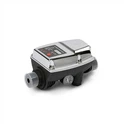
A stable water pressure is crucial for various applications, from residential water supply systems to industrial processes. Water pump pressure controllers play a vital role in maintaining this stability. As a reputable supplier of water pump pressure controllers, I have witnessed firsthand the significance of these devices and the impact they have on ensuring a consistent water flow. In this blog, I will share some insights on how to ensure a stable water pressure with a water pump pressure controller.
Understanding the Basics of Water Pump Pressure Controllers
Before delving into the details of ensuring stable water pressure, it's essential to understand what a water pump pressure controller is and how it works. A water pump pressure controller is a device that monitors the water pressure in a system and controls the operation of the water pump accordingly. It typically consists of a pressure sensor, a control unit, and a switch.
The pressure sensor measures the water pressure in the system. When the pressure drops below a certain set point, the control unit activates the pump to increase the pressure. Conversely, when the pressure reaches an upper set point, the control unit turns off the pump. This automatic control mechanism helps to maintain a stable water pressure within a desired range.
Selecting the Right Water Pump Pressure Controller
The first step in ensuring a stable water pressure is to select the right water pump pressure controller for your specific application. There are several factors to consider when making this choice:
1. Pressure Range
Different applications require different pressure ranges. For example, a residential water supply system may need a pressure range of 20 - 60 psi, while an industrial process may require a much higher pressure. Make sure to choose a controller that can handle the pressure range required for your application. Our High Quality Water Pump Controller offers a wide range of pressure settings to meet various needs.
2. Flow Rate
The flow rate of the water pump is another important factor. The controller should be able to handle the maximum flow rate of the pump without causing any issues. Consider the size and capacity of your water pump when selecting a controller.
3. Compatibility
Ensure that the water pump pressure controller is compatible with your water pump. This includes checking the electrical specifications, such as voltage and current ratings, as well as the physical connections.
4. Quality and Reliability
Invest in a high - quality water pump pressure controller from a trusted supplier. A reliable controller will operate smoothly and last longer, reducing the need for frequent replacements and repairs.
Proper Installation of the Water Pump Pressure Controller
Once you have selected the right water pump pressure controller, proper installation is crucial for its effective operation. Here are some installation tips:
1. Follow the Manufacturer's Instructions
Each water pump pressure controller comes with detailed installation instructions. Make sure to read and follow these instructions carefully to ensure correct installation.
2. Mounting Location
Choose a suitable mounting location for the controller. It should be easily accessible for maintenance and inspection, away from excessive heat, moisture, and vibration.
3. Pipe Connections
Proper pipe connections are essential for accurate pressure measurement. Use the appropriate fittings and ensure that the connections are tight to prevent leaks.
4. Electrical Connections
Make sure to connect the controller to the power supply and the water pump correctly. Follow all electrical safety procedures to avoid any electrical hazards.
Regular Maintenance and Inspection
Regular maintenance and inspection of the water pump pressure controller are necessary to ensure its long - term performance and stability. Here are some maintenance tasks:
1. Check the Pressure Settings
Periodically check the pressure settings of the controller to ensure that they are still within the desired range. Over time, the settings may drift due to various factors, such as temperature changes or component wear.
2. Inspect for Leaks
Check all the pipe connections and fittings for leaks. Even a small leak can affect the water pressure and the performance of the controller.
3. Clean the Controller
Keep the controller clean and free from dust and debris. Our Clean Pump Controller with European Plug is designed for easy cleaning and maintenance.
4. Test the Controller
Perform regular tests on the controller to ensure that it is functioning properly. This can include checking the pump activation and deactivation points, as well as the overall pressure control performance.
Troubleshooting Common Issues
Despite proper installation and maintenance, you may encounter some issues with the water pump pressure controller. Here are some common problems and their solutions:
1. Inconsistent Pressure
If the water pressure is inconsistent, it could be due to a faulty pressure sensor, a clogged pipe, or incorrect pressure settings. Check the sensor for any damage, clean the pipes, and adjust the pressure settings if necessary.
2. Pump Not Starting or Stopping
If the pump fails to start or stop at the appropriate pressure points, it could be a problem with the control unit or the switch. Check the electrical connections and test the components to identify and fix the issue.
3. Leaking Controller
A leaking controller could be caused by a damaged seal or a cracked housing. Replace the seal or the housing as needed to prevent further leaks.
Upgrading Your Water Pump Pressure Controller
As technology advances, upgrading your water pump pressure controller can offer several benefits. Newer controllers may have improved features, such as more accurate pressure sensing, better energy efficiency, and advanced diagnostic capabilities. Our Factory Water Pump Switch is an example of a modern and reliable controller that can enhance the performance of your water pump system.
Conclusion
Ensuring a stable water pressure with a water pump pressure controller is essential for the proper functioning of various water systems. By selecting the right controller, installing it correctly, performing regular maintenance, and troubleshooting any issues promptly, you can achieve a consistent and reliable water pressure.
If you are in the market for a high - quality water pump pressure controller or need further advice on ensuring stable water pressure, I encourage you to contact us. Our team of experts is ready to assist you in finding the best solution for your specific needs. We look forward to the opportunity to work with you and help you achieve optimal water system performance.


References
- "Water Pump Handbook" by Igor J. Karassik et al.
- "Pump System Optimization: A Sourcebook for Improving the Energy Efficiency of Pumping Systems" by the U.S. Department of Energy.