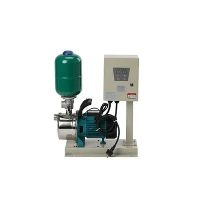
Hey there! As a supplier of Household Water Pump Controller, I've seen firsthand how crucial it is for these controllers to work within the proper temperature range. If the temperature goes too high or too low, it can mess with the controller's performance and even lead to some serious damage. So, in this blog, I'm gonna share some tips on how to ensure your household water pump controller stays in that sweet temperature spot.
Understanding the Ideal Temperature Range
First things first, you need to know what the ideal temperature range is for your water pump controller. Most household water pump controllers are designed to work best between 0°C and 50°C (32°F and 122°F). But this can vary depending on the model and manufacturer. You can usually find this info in the product manual or on the manufacturer's website.
If the temperature goes above this range, the controller can overheat. This can cause components to expand, which might lead to short circuits or other electrical problems. On the other hand, if it gets too cold, the controller might not function properly because the electrical conductivity of some materials can change at low temperatures.
Proper Installation
One of the key ways to keep your water pump controller at the right temperature is to install it correctly. Here are some installation tips:
- Location, location, location: Choose a well - ventilated area for installation. Avoid placing the controller in direct sunlight or near heat sources like furnaces, water heaters, or radiators. For instance, if you install it in a utility room, make sure there's enough space around it for air to circulate.
- Mounting: Mount the controller on a flat and stable surface. This helps with heat dissipation. If it's mounted on a wall, make sure the wall isn't a heat - retaining material like brick without proper insulation.
Ventilation
Good ventilation is super important for keeping the controller cool. Here's how you can ensure proper ventilation:
- Airflow: Make sure there's a continuous flow of air around the controller. You can do this by leaving some space around it. For example, don't stack other equipment on top of it or place it in a tight cabinet. If possible, use a small fan to increase the airflow in the area where the controller is located.
- Ventilation holes: Some controllers come with ventilation holes. Make sure these holes aren't blocked. Dust and debris can accumulate over time and block the airflow through these holes. Regularly clean these holes using a soft - bristle brush or compressed air.
Routine Maintenance
Regular maintenance can go a long way in ensuring that your water pump controller works within the proper temperature range.
- Cleaning: Dust and dirt can act as insulators, trapping heat around the controller. Every few months, clean the controller using a dry cloth. For more stubborn dirt, you can use a slightly damp cloth, but make sure the controller is turned off and unplugged before cleaning. You can also check out our Clean Pump Controller with European Plug which is designed with easy - to - clean features.
- Inspection: Periodically inspect the controller for any signs of damage or wear. Look for loose connections, frayed wires, or signs of overheating such as discoloration. If you notice any problems, it's best to replace the damaged parts or contact a professional for repair.
Monitoring the Temperature
It's a good idea to monitor the temperature of your water pump controller. You can do this in a few ways:


- Thermometers: Place a thermometer near the controller to keep track of the ambient temperature. If you notice that the temperature is consistently approaching or going beyond the recommended range, you need to take action.
- Built - in sensors: Some advanced Household Water Pump Controller models come with built - in temperature sensors. These sensors can alert you if the temperature goes out of the safe range.
Dealing with Extreme Temperatures
In cases of extreme temperatures, you might need to take extra steps:
- Hot weather: During hot summer months, you can use air - conditioning or fans in the area where the controller is located. You can also provide shade if it's installed outdoors.
- Cold weather: In cold climates, you might need to insulate the controller. You can use insulating materials like foam wraps. Just make sure not to block the ventilation holes.
Choosing the Right Controller
When selecting a water pump controller, consider the temperature conditions in your area. If you live in a place with extreme temperatures, look for a Wide Voltage Water Pump Controller. These controllers are often designed to handle a wider range of temperatures and voltage fluctuations.
Conclusion
Ensuring that your household water pump controller works within the proper temperature range is essential for its performance and longevity. By following these tips on proper installation, ventilation, maintenance, and temperature monitoring, you can keep your controller running smoothly.
If you're in the market for a reliable water pump controller or have any questions about temperature management, feel free to reach out. We're here to help you find the best solution for your needs and ensure that your water pumping system works flawlessly.
References
- Manufacturer's manuals of household water pump controllers
- Industry standards for electrical equipment temperature management