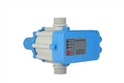
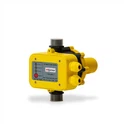
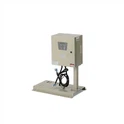
Hey there! As a supplier of Water Pump Inverter, I often get asked about how to calibrate these devices. Calibrating a water pump inverter is crucial for ensuring optimal performance, energy efficiency, and the longevity of your water pump. In this blog, I'll walk you through the steps to calibrate a water pump inverter, sharing some tips and tricks along the way.
Why Calibration Matters
Before we dive into the calibration process, let's talk about why it's so important. A properly calibrated water pump inverter can:
- Improve Energy Efficiency: By adjusting the inverter to match the specific requirements of your water pump, you can reduce energy consumption and save on electricity bills.
- Enhance Pump Performance: Calibration ensures that the pump operates at its optimal speed and pressure, providing a consistent water supply and preventing issues like overheating or cavitation.
- Extend Pump Lifespan: When a pump operates within its recommended parameters, it experiences less wear and tear, leading to a longer lifespan and fewer maintenance costs.
Step 1: Gather the Necessary Tools
Before you start calibrating your water pump inverter, you'll need to gather a few tools:
- Multimeter: This tool is used to measure voltage, current, and resistance.
- Pressure Gauge: A pressure gauge is essential for measuring the water pressure at the pump outlet.
- User Manual: The user manual for your water pump inverter contains important information about the calibration process and the specific settings for your model.
Step 2: Safety First
Calibrating a water pump inverter involves working with electrical components, so it's important to take safety precautions. Before you start, make sure to:
- Turn Off the Power: Switch off the power supply to the water pump inverter to avoid the risk of electric shock.
- Wear Protective Gear: Wear safety glasses and gloves to protect yourself from any potential hazards.
- Follow the Manufacturer's Instructions: Always refer to the user manual for your water pump inverter and follow the manufacturer's instructions carefully.
Step 3: Check the Basic Settings
Once you've gathered the necessary tools and taken the appropriate safety precautions, it's time to start calibrating the water pump inverter. The first step is to check the basic settings, including:
- Input Voltage: Use a multimeter to measure the input voltage to the inverter. Make sure it matches the voltage specified in the user manual.
- Output Frequency: The output frequency of the inverter determines the speed of the water pump. Check the output frequency and adjust it if necessary to match the requirements of your pump.
- Pressure Setpoint: The pressure setpoint is the desired water pressure at the pump outlet. Use a pressure gauge to measure the current water pressure and adjust the pressure setpoint on the inverter accordingly.
Step 4: Adjust the PID Parameters
The PID (Proportional-Integral-Derivative) parameters of the water pump inverter play a crucial role in maintaining a stable water pressure. These parameters control how the inverter responds to changes in water demand and adjust the pump speed accordingly. To adjust the PID parameters:
- Understand the PID Concept: The proportional parameter determines how quickly the inverter responds to changes in pressure, the integral parameter corrects for any steady-state errors, and the derivative parameter predicts future changes in pressure and adjusts the pump speed accordingly.
- Start with Default Settings: Most water pump inverters come with default PID settings. Start with these settings and make small adjustments based on the performance of your pump.
- Monitor the Pressure: Use a pressure gauge to monitor the water pressure at the pump outlet while making adjustments to the PID parameters. Aim for a stable and consistent water pressure.
Step 5: Test the System
After you've adjusted the basic settings and the PID parameters, it's time to test the system. Turn on the power supply to the water pump inverter and let the pump run for a few minutes. Monitor the water pressure, flow rate, and pump speed to ensure that everything is working properly. If you notice any issues, such as fluctuations in pressure or abnormal pump behavior, make further adjustments to the settings.


Step 6: Fine-Tune the Settings
Once the system is running smoothly, you can fine-tune the settings to optimize the performance of the water pump inverter. This may involve making small adjustments to the pressure setpoint, PID parameters, or other settings based on your specific requirements. Remember to make small changes and test the system after each adjustment to avoid overshooting the desired settings.
Tips and Tricks
Here are some additional tips and tricks to help you calibrate your water pump inverter more effectively:
- Keep a Record: Keep a record of the settings you've made during the calibration process. This will help you track the changes and make adjustments in the future if necessary.
- Regular Maintenance: Regular maintenance of your water pump inverter is essential for ensuring optimal performance. Clean the inverter regularly, check the connections, and replace any worn-out components.
- Seek Professional Help: If you're unsure about any aspect of the calibration process or if you encounter any problems, don't hesitate to seek professional help. A qualified technician can assist you with the calibration and ensure that your water pump inverter is working properly.
Conclusion
Calibrating a water pump inverter is an important task that can significantly improve the performance, energy efficiency, and lifespan of your water pump. By following the steps outlined in this blog and using the tips and tricks provided, you can calibrate your water pump inverter with confidence and ensure that it operates at its best.
If you're in the market for a new Water Pump Inverter, we offer a wide range of high-quality products, including the New Single-phase Water Pump Inverter and the Low-power Water Pump Inverter. Our inverters are designed to provide reliable and efficient performance, and we're committed to providing excellent customer service. If you have any questions or would like to discuss your specific requirements, please don't hesitate to contact us. We look forward to working with you!
References
- Manufacturer's user manuals for water pump inverters
- Electrical engineering textbooks on motor control and inverter technology