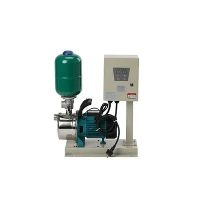
As a supplier of Water Pump VFD Inverters, I often get asked about the maintenance frequency of these crucial devices. In this blog post, I'll delve into the factors that influence how often a water pump VFD inverter should be maintained and provide some general guidelines to help you keep your equipment in top - notch condition.
Understanding Water Pump VFD Inverters
Before discussing maintenance, it's essential to understand what a water pump VFD inverter is. A Variable Frequency Drive (VFD) inverter for water pumps adjusts the speed of the pump motor by varying the frequency and voltage supplied to it. This allows for precise control of the pump's flow rate and pressure, leading to energy savings, reduced wear and tear on the pump, and improved system efficiency.
We offer a range of water pump VFD inverters, including the Low - power Water Pump Inverter, which is ideal for small - scale applications, the Variable Frequency Pump Converter for Home Use, designed to meet the needs of residential users, and the New Single - phase Water Pump Inverter, suitable for single - phase power systems.
Factors Affecting Maintenance Frequency
Operating Environment
The environment in which the water pump VFD inverter operates plays a significant role in determining its maintenance frequency. If the inverter is installed in a clean, dry, and temperature - controlled environment, it will generally require less maintenance compared to one installed in a harsh environment.
For instance, in a dusty industrial setting, dust particles can accumulate on the inverter's internal components, such as circuit boards and heat sinks. This can impede heat dissipation and potentially cause overheating, leading to component failure. In such an environment, more frequent maintenance, including cleaning, may be necessary. Similarly, if the inverter is exposed to high humidity, moisture can cause corrosion of electrical connections and components, increasing the risk of malfunctions.
Usage Intensity
The amount of time the water pump VFD inverter is in operation also affects its maintenance requirements. Inverters that are used continuously or for long periods at high loads will experience more wear and tear than those used intermittently or at low loads.
For example, a water pump VFD inverter in a large - scale water treatment plant that operates 24/7 will need more frequent maintenance checks and component replacements compared to an inverter used in a small residential garden irrigation system that only runs a few hours a day.
Quality of Power Supply
The quality of the power supply to the water pump VFD inverter is another crucial factor. A stable and clean power supply is essential for the proper functioning of the inverter. Power surges, voltage fluctuations, and electrical noise can damage the inverter's internal components.
If the power supply in your area is known to be unstable, you may need to perform more frequent maintenance to check for any signs of damage caused by power - related issues. Additionally, using a suitable power protection device, such as a surge protector or an uninterruptible power supply (UPS), can help reduce the risk of damage and extend the time between maintenance intervals.
General Maintenance Guidelines
Visual Inspections
Regular visual inspections are the first step in maintaining a water pump VFD inverter. These inspections should be carried out at least once a month. Check for any signs of physical damage, such as cracks in the enclosure, loose connections, or signs of overheating (e.g., discoloration or a burning smell).
Also, look for any dust or debris accumulation on the inverter's exterior and internal components. If you notice any issues during the visual inspection, take appropriate action immediately, such as tightening loose connections or cleaning the affected areas.
Cleaning
Cleaning the water pump VFD inverter is an important maintenance task. Depending on the operating environment, cleaning may need to be done every 3 - 6 months. Use a soft, dry brush or compressed air to remove dust and debris from the inverter's exterior and internal components.
Be careful not to use excessive force or liquid cleaners, as these can damage the components. If the inverter is particularly dirty, you may need to use a specialized electronic cleaner, but make sure to follow the manufacturer's instructions.
Electrical Testing
Electrical testing should be performed at least once a year. This includes checking the input and output voltages, currents, and frequencies to ensure they are within the specified ranges. You can use a multimeter or other electrical testing equipment for this purpose.
Additionally, test the inverter's protection functions, such as over - current protection, over - voltage protection, and under - voltage protection, to ensure they are working correctly. If any electrical parameters are outside the normal range or if the protection functions are not working properly, further investigation and repairs may be required.
Component Replacement
Over time, some components of the water pump VFD inverter may wear out and need to be replaced. The lifespan of components such as capacitors, fans, and contactors can vary depending on the usage and operating conditions.
Capacitors, for example, typically have a lifespan of 5 - 10 years. It's a good idea to replace them proactively before they fail to avoid unexpected downtime. Fans are also critical for heat dissipation, and if they start to make noise or operate erratically, they should be replaced as soon as possible.
Extended Maintenance for Special Situations
In some cases, additional maintenance may be required. For example, if the water pump VFD inverter has been exposed to a power outage or a severe power surge, it should be thoroughly inspected and tested before being put back into operation.
If the inverter has been moved or transported, check for any loose connections or damage that may have occurred during the process. Also, if the operating environment of the inverter changes significantly, such as a change in temperature or humidity levels, adjust the maintenance schedule accordingly.
Importance of Regular Maintenance
Regular maintenance of a water pump VFD inverter offers several benefits. Firstly, it helps to prevent unexpected breakdowns, which can lead to costly downtime and production losses. By identifying and addressing potential issues early, you can avoid major repairs and replacements.
Secondly, proper maintenance ensures the inverter operates at peak efficiency. A well - maintained inverter will consume less energy, reducing your electricity bills. It also helps to extend the lifespan of the inverter, providing a better return on your investment.
Contact Us for Your Water Pump VFD Inverter Needs
If you're in the market for a high - quality water pump VFD inverter or need advice on maintenance, our team of experts is here to help. We have a wide range of products to suit different applications and budgets. Whether you're a homeowner looking for a reliable home - use inverter or an industrial user in need of a heavy - duty solution, we can provide you with the right product and support.
Don't hesitate to reach out to us to discuss your requirements and start a procurement conversation. We're committed to providing you with the best products and services to ensure the smooth operation of your water pump systems.


References
- Power Electronics Handbook, Third Edition, edited by M. H. Rashid
- Variable Frequency Drives: Selection, Application, and Maintenance, by Dan Hebert
- Electrical Installation and Maintenance for Dummies, by Cathleen Shamieh