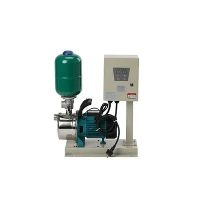
In the realm of water systems, an electric water pump controller serves as a crucial component that orchestrates the seamless operation of various elements. As a dedicated supplier of Electric Water Pump Controllers, I have witnessed firsthand the intricate dance between these controllers and other parts of a water system. In this blog, I will delve into how an electric water pump controller interacts with other components, highlighting its significance and the benefits it brings to the overall system.
Interaction with the Water Pump
The most direct interaction of an electric water pump controller is with the water pump itself. The controller acts as the brain, monitoring and regulating the pump's operation. It can start and stop the pump based on specific parameters such as pressure or flow rate.
For instance, when the water pressure in the system drops below a pre - set level, the Adjustable Pump Pressure Controller senses this change and sends a signal to the pump to start working. This ensures that the water system maintains a consistent pressure, whether it is for domestic water supply, irrigation, or industrial applications.
Conversely, when the pressure reaches the upper limit, the controller signals the pump to stop. This not only prevents over - pressurization of the system, which could lead to pipe bursts and other damages, but also conserves energy by preventing the pump from running needlessly.
Interaction with Pressure Tanks
Pressure tanks are another important component in many water systems, and they work in tandem with the electric water pump controller. The pressure tank stores water under pressure, reducing the frequency of pump starts and stops.
The controller monitors the pressure in the tank. When the water in the tank is used, the pressure drops. Once the pressure reaches the cut - in pressure set by the Automatic Pressure Control Switch for Water Pump, the controller activates the pump to refill the tank. As the tank fills and the pressure rises to the cut - out pressure, the pump is stopped.
This interaction between the controller and the pressure tank helps to extend the lifespan of the pump. Frequent starts and stops can cause wear and tear on the pump motor, but the pressure tank, regulated by the controller, smooths out the operation and reduces this stress.
Interaction with Flow Sensors
In some advanced water systems, flow sensors are used in conjunction with the electric water pump controller. Flow sensors measure the rate of water flow in the system. The controller can use this information to optimize the pump's operation.
For example, if the flow sensor detects a sudden decrease in water flow, it could indicate a blockage in the pipes or a leak. The controller can then take appropriate action, such as shutting down the pump to prevent further damage or sending an alert to the system operator.
On the other hand, if the flow rate needs to be increased, the controller can adjust the pump's speed or power output based on the data from the flow sensor. This kind of interaction allows for a more precise and efficient water system operation, especially in applications where a specific flow rate is required, like in some industrial processes.
Interaction with Valves
Valves play a crucial role in controlling the direction and volume of water flow in a system. Electric water pump controllers can interact with different types of valves, such as solenoid valves and check valves.
Solenoid valves can be controlled by the controller to open or close based on the system's requirements. For example, in a water treatment system, the controller can open a solenoid valve to allow water to enter a treatment chamber at the right time.
Check valves, which prevent backflow of water, work in harmony with the pump and the controller. The controller ensures that the pump operates in a way that the check valve functions properly. If the pump is not working correctly, it could cause issues with the check valve, such as water hammer or improper sealing.
Interaction with Control Panels and Monitoring Systems
Modern water systems often include control panels and monitoring systems. The electric water pump controller can communicate with these components to provide real - time data on the system's operation.
The controller can send information about the pump's status, such as running time, power consumption, and any error codes, to the control panel. Operators can then monitor the system remotely and make adjustments as needed.


Monitoring systems can also use the data from the controller to perform predictive maintenance. By analyzing trends in the pump's operation, such as changes in pressure or flow rate over time, potential problems can be detected early, and maintenance can be scheduled before a major breakdown occurs.
Benefits of the Interaction
The interaction between the electric water pump controller and other components in the water system brings numerous benefits.
Firstly, it enhances the reliability of the water system. By precisely controlling the pump's operation and coordinating with other components, the system is less likely to experience failures. This is crucial for applications where a continuous water supply is essential, such as in hospitals or manufacturing plants.
Secondly, it improves energy efficiency. The controller ensures that the pump only runs when necessary and at the appropriate power level. This reduces energy consumption and lowers operating costs over the long term.
Thirdly, it provides better water quality control. In water treatment systems, the coordinated operation of the pump, valves, and other components regulated by the controller ensures that water is treated properly and that the right amount of chemicals is added at the right time.
Conclusion
As a supplier of Electric Water Pump Controllers, I am well - aware of the vital role these controllers play in water systems. The interaction between the controller and other components is a complex but well - orchestrated process that ensures the efficient, reliable, and safe operation of water systems.
Whether you are looking to upgrade your existing water system or install a new one, our range of products, including the Adjustable Pump Pressure Controller, Automatic Pressure Control Switch for Water Pump, and 2.2KW Electric Water Pump Pressure Switch, can provide the perfect solution for your needs.
If you are interested in learning more about our products or discussing your specific requirements, we invite you to reach out to us for a procurement discussion. Our team of experts is ready to assist you in finding the best electric water pump controller for your water system.
References
- Simpson, A. R., & Tullis, J. P. (2001). Fluid Mechanics in Engineering. McGraw - Hill.
- Chaudhry, M. H. (2014). Applied Hydraulic Transients. CRC Press.
- Walski, T. M., et al. (2003). Water Distribution System Analysis. ASCE Press.