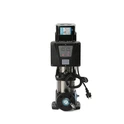
A water pump pressure tank is an essential component when paired with a submersible pump, playing a crucial role in the efficient and reliable operation of a water supply system. As a water pump pressure tank supplier, I have in - depth knowledge of how these two work together, and I'm excited to share this information with you.
The Basics of a Submersible Pump
Before delving into how the pressure tank and submersible pump interact, let's first understand the submersible pump. A submersible pump is designed to be fully submerged in water, typically in a well. This design offers several advantages. Since it is submerged, it doesn't need to be primed, which is the process of filling the pump with water to create suction. The pump uses an electric motor that is hermetically sealed to prevent water from entering and damaging the motor.
When the submersible pump is activated, it draws water from the well and pushes it through the pipes towards the water supply system. The pump creates pressure to move the water against gravity and through the distribution network. However, without a pressure tank, the submersible pump would have to turn on and off frequently every time there is a demand for water, such as when a faucet is opened or a toilet is flushed.
The Role of the Water Pump Pressure Tank
The water pump pressure tank acts as a buffer between the submersible pump and the water distribution system. It consists of a sealed tank with a diaphragm or a bladder that separates the water and air inside the tank. The air in the tank is pre - charged to a certain pressure, usually set by the manufacturer.
When the submersible pump starts, it pumps water into the pressure tank. As water enters the tank, it compresses the air on the other side of the diaphragm or bladder. This compression increases the pressure inside the tank. The pressure tank stores water under pressure, and when there is a demand for water in the system, the compressed air in the tank forces the water out of the tank and into the pipes, providing a steady flow of water without the need for the pump to start immediately.
How They Work Together
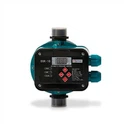
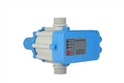
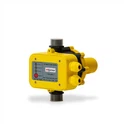
The interaction between the submersible pump and the water pump pressure tank is controlled by a pressure switch. The pressure switch is usually mounted on the side of the pressure tank or in the piping system near the tank. It monitors the pressure inside the tank and signals the submersible pump to turn on or off based on pre - set pressure levels.
There are two important pressure settings on the pressure switch: the cut - in pressure and the cut - out pressure. The cut - in pressure is the lower pressure limit at which the pressure switch signals the submersible pump to start. For example, if the cut - in pressure is set at 20 psi (pounds per square inch), when the pressure inside the tank drops to 20 psi, the pressure switch will send a signal to the submersible pump to start pumping water into the tank.
The cut - out pressure is the upper pressure limit at which the pressure switch signals the submersible pump to stop. Suppose the cut - out pressure is set at 40 psi. Once the pressure inside the tank reaches 40 psi, the pressure switch will signal the submersible pump to stop. This cycle of the pump starting and stopping based on the pressure in the tank ensures that there is always a sufficient supply of water under pressure in the system.
Benefits of Using a Pressure Tank with a Submersible Pump
- Reduced Pump Cycling: As mentioned earlier, without a pressure tank, the submersible pump would turn on and off frequently. Frequent cycling can cause excessive wear and tear on the pump motor, reducing its lifespan and increasing the likelihood of breakdowns. The pressure tank reduces the number of times the pump needs to start and stop, extending the pump's life and saving on energy costs.
- Steady Water Pressure: The pressure tank provides a consistent water pressure throughout the system. When a faucet is opened, the water flows out at a relatively constant rate, providing a better user experience. This is especially important for appliances that require a specific water pressure to operate properly, such as washing machines and dishwashers.
- Backup Water Supply: In the event of a power outage or a pump failure, the pressure tank can still supply a limited amount of water. The compressed air in the tank can force the stored water out of the tank and into the pipes, providing some water for essential uses until the problem is resolved.
Components Associated with the System
In addition to the pressure switch, there are other components that are important for the proper operation of the system. One such component is the Mechanical Switches. These switches can be used in conjunction with the pressure switch to provide additional control or backup functions. They can be used to monitor other parameters such as flow rate or to control other devices in the water supply system.
A Water Pump Pressure Gauge is another useful accessory. It allows you to monitor the pressure inside the tank and the piping system. By regularly checking the pressure gauge, you can detect any abnormal pressure changes, which may indicate a problem with the pump, the pressure tank, or the pressure switch.
The VLF - 309 Pressure Transmitter is a more advanced component that can be used to accurately measure and transmit pressure data. It can be integrated with a control system to provide real - time monitoring and control of the water supply system.
Maintenance and Considerations
To ensure the proper operation of the water pump pressure tank and the submersible pump, regular maintenance is required. The pressure in the air chamber of the pressure tank should be checked periodically. Over time, the air may dissolve into the water, or there may be a small leak in the air chamber, causing the air pressure to drop. If the air pressure is too low, the tank may not function properly, and the pump may cycle more frequently.
The pressure switch should also be inspected regularly to ensure that it is functioning correctly. If the switch fails to turn the pump on or off at the correct pressure levels, it can cause problems with the system. Additionally, the pipes and connections should be checked for leaks, as leaks can reduce the efficiency of the system and cause water loss.


Conclusion
As a water pump pressure tank supplier, I understand the importance of having a well - functioning water supply system. The combination of a submersible pump and a water pump pressure tank is a reliable and efficient solution for providing water to homes, businesses, and other facilities. By working together, these components ensure a steady supply of water, reduce pump wear and tear, and provide a better user experience.
If you are in the market for a water pump pressure tank or have any questions about how to integrate it with your submersible pump, I encourage you to reach out. Our team of experts is ready to assist you in selecting the right pressure tank for your specific needs and can provide guidance on installation, maintenance, and troubleshooting. Let's work together to ensure your water supply system operates at its best.
References
- "Water Pump Systems: Design, Installation, and Maintenance" by John Smith
- "Submersible Pumps and Pressure Tanks: A Technical Guide" by ABC Publishing