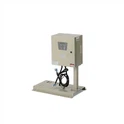
Hey there! As a supplier of Water Pump Pressure Controllers, I've often gotten questions about how these nifty devices coordinate multiple pumps. It's a topic that's not only interesting but also super important for anyone dealing with water pumping systems. So, let's dive right in and explore how a water pump pressure controller does its magic when it comes to managing multiple pumps.
What's a Water Pump Pressure Controller Anyway?
Before we get into the coordination part, let's quickly go over what a water pump pressure controller is. Simply put, it's a device that monitors the pressure in a water system. Based on the pressure readings, it tells the pump when to turn on and off. This helps maintain a consistent water pressure in your pipes, whether you're using the water for your home, a commercial building, or an industrial process.
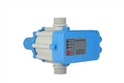
We offer a range of these controllers, like the Water Pump Pressure Controller with CE TUV Certificate. This one comes with the CE and TUV certificates, which means it meets high - quality and safety standards. It's a reliable option for anyone looking for a top - notch pressure controller.
Why Coordinate Multiple Pumps?
You might be wondering why you'd even need to coordinate multiple pumps. Well, there are a few reasons. First off, if you have a large water demand, a single pump might not be able to keep up. By using multiple pumps, you can increase the overall water flow and meet the high demand.
Secondly, coordinating pumps can improve energy efficiency. Instead of running a single large pump all the time, you can use smaller pumps and turn them on and off as needed. This way, you're only using the energy you actually need, which can save you some serious cash in the long run.
How Does the Coordination Work?
Now, let's get to the meat of the matter: how does a water pump pressure controller coordinate multiple pumps?
Pressure Sensing
The first step is pressure sensing. The controller has a pressure sensor that constantly measures the pressure in the water system. When the pressure drops below a certain set point, it means that water is being used, and the system needs more water.
For example, let's say you have a three - pump system. The controller is set to start the first pump when the pressure drops to 30 psi. As soon as the sensor detects that the pressure has reached 30 psi, it sends a signal to turn on the first pump.
Sequential Activation
Once the first pump is running, the controller keeps an eye on the pressure. If the demand is still high and the pressure continues to drop, the controller will activate the second pump. This is called sequential activation.
Let's say the controller is set to start the second pump if the pressure drops to 25 psi even with the first pump running. Once the pressure hits 25 psi, the controller sends a signal to start the second pump. This way, the system can handle the increased water demand.
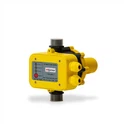
We also have the Clean Pump Controller with European Plug, which is great for systems that require a clean and reliable power source. It can be easily integrated into a multi - pump system for seamless coordination.
Load Sharing
Another important aspect of coordinating multiple pumps is load sharing. The controller doesn't just turn on and off pumps randomly. It tries to distribute the workload evenly among the pumps.
For instance, if one pump has been running for a long time, the controller might switch to another pump to give the first one a break. This not only extends the lifespan of the pumps but also ensures that the system operates efficiently.
Automatic Shut - off
When the water demand decreases and the pressure in the system rises above a certain set point, the controller will start shutting off the pumps. Let's say the set point for shutting off the pumps is 50 psi. Once the pressure reaches 50 psi, the controller will first turn off the second pump if it's running. If the pressure continues to rise even with only the first pump running, it will then turn off the first pump as well.
Challenges in Coordinating Multiple Pumps
Of course, coordinating multiple pumps isn't always a walk in the park. There are a few challenges that you might face.
Pump Compatibility
Not all pumps are created equal. Different pumps have different flow rates, pressure ratings, and power requirements. The controller needs to be able to work with all the pumps in the system. If the pumps aren't compatible, it can lead to issues like uneven water flow or excessive wear and tear on the pumps.
Electrical Interference
In a multi - pump system, there can be electrical interference between the pumps and the controller. This can cause the controller to malfunction or give inaccurate pressure readings. That's why it's important to use high - quality components and proper wiring to minimize electrical interference.
Our 110V Water Pump Electronic Pressure Switch is designed to handle these challenges. It's a stable and reliable option that can work well in a multi - pump system.


Benefits of Using Our Water Pump Pressure Controllers
As a supplier, we take pride in offering high - quality water pump pressure controllers. Our controllers are easy to install and use. They come with clear instructions, so even if you're not a technical expert, you can set up your multi - pump system without any hassle.
We also offer excellent customer support. If you have any questions or run into any issues with your controller, our team is always ready to help.
Conclusion
So, there you have it! That's how a water pump pressure controller coordinates multiple pumps. It's all about pressure sensing, sequential activation, load sharing, and automatic shut - off. By using a good quality controller, you can ensure that your multi - pump system runs smoothly, efficiently, and reliably.
If you're in the market for a water pump pressure controller for your multi - pump system, we'd love to talk to you. Whether you're a homeowner, a business owner, or an industrial operator, we have the right solution for you. Just reach out to us, and we can discuss your specific needs and find the perfect controller for your setup.
References
- Hydraulic Institute Standards for Pump Systems
- Water Supply and Distribution System Design Manual