As a supplier of water pump inverters, I've witnessed firsthand the critical role these devices play in modern water systems. One of the most frequently asked questions we encounter is how a water pump inverter adapts to different pipe diameters. In this blog post, I'll delve into the technical aspects of this process, shedding light on the mechanisms that enable our inverters to optimize performance across a wide range of pipe sizes.
Understanding the Basics of Water Pump Inverters
Before we explore how water pump inverters adapt to different pipe diameters, let's briefly review what these devices are and how they function. A water pump inverter, also known as a variable frequency drive (VFD), is an electronic device that controls the speed of an electric motor driving a water pump. By adjusting the frequency and voltage supplied to the motor, the inverter can vary the pump's speed, allowing for precise control of water flow and pressure.
The ability to control the pump's speed is crucial for several reasons. Firstly, it enables the system to match the water demand, reducing energy consumption and wear on the pump. Secondly, it allows for more stable operation, preventing issues such as water hammer and pressure fluctuations. Finally, it provides flexibility, allowing the system to adapt to changing conditions, such as variations in pipe diameter.
The Impact of Pipe Diameter on Water Flow
Pipe diameter plays a significant role in determining the flow rate and pressure of water in a system. According to the principles of fluid dynamics, the flow rate of water through a pipe is directly proportional to the cross-sectional area of the pipe and the velocity of the water. In other words, a larger pipe diameter allows for a higher flow rate at a given velocity.


Conversely, the pressure drop across a pipe is inversely proportional to the pipe diameter. This means that a smaller pipe diameter results in a higher pressure drop for a given flow rate. Therefore, when designing a water system, it's essential to select the appropriate pipe diameter to ensure efficient and effective operation.
How Water Pump Inverters Adapt to Different Pipe Diameters
Now that we understand the impact of pipe diameter on water flow, let's explore how water pump inverters adapt to different pipe sizes. Our water pump inverters are equipped with advanced control algorithms that continuously monitor and adjust the pump's speed based on the system's requirements. These algorithms take into account several factors, including the pipe diameter, flow rate, and pressure.
Flow Rate and Pressure Sensing
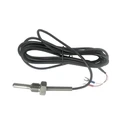
One of the key features of our water pump inverters is their ability to sense the flow rate and pressure of the water in the system. This is typically achieved using flow sensors and pressure transducers, which provide real-time feedback to the inverter. By continuously monitoring these parameters, the inverter can adjust the pump's speed to maintain the desired flow rate and pressure.
For example, if the pipe diameter is reduced, the flow rate will decrease, and the pressure drop across the pipe will increase. In response, the inverter will increase the pump's speed to compensate for the reduced flow rate and maintain the desired pressure. Conversely, if the pipe diameter is increased, the flow rate will increase, and the pressure drop will decrease. The inverter will then decrease the pump's speed to prevent over-pressurization and energy waste.
Variable Speed Control
Another important feature of our water pump inverters is their ability to provide variable speed control. Unlike traditional fixed-speed pumps, which operate at a constant speed regardless of the system's requirements, our inverters can adjust the pump's speed continuously. This allows for precise control of the water flow and pressure, ensuring optimal performance across a wide range of pipe diameters.
For instance, in a system with a small pipe diameter, the inverter can operate the pump at a lower speed to reduce the pressure drop and energy consumption. In contrast, in a system with a large pipe diameter, the inverter can increase the pump's speed to achieve the desired flow rate. This flexibility is particularly useful in applications where the pipe diameter may vary, such as in irrigation systems or building water supply networks.
Adaptive Control Algorithms
Our water pump inverters are also equipped with adaptive control algorithms that can learn and adapt to the specific characteristics of the system. These algorithms analyze the data collected from the flow sensors and pressure transducers over time, allowing the inverter to optimize its performance based on the system's unique requirements.
For example, if the system experiences frequent changes in pipe diameter or water demand, the inverter can adjust its control strategy to ensure stable and efficient operation. This may involve adjusting the pump's speed more aggressively or using different control parameters to account for the changing conditions.
Benefits of Using Our Water Pump Inverters
By using our water pump inverters, customers can enjoy several benefits, especially when dealing with different pipe diameters.
Energy Efficiency
One of the primary benefits of our water pump inverters is their energy efficiency. By adjusting the pump's speed to match the system's requirements, the inverter can significantly reduce energy consumption. This is particularly important in applications where the water demand varies, such as in commercial buildings or industrial processes.
System Stability
Our water pump inverters also provide greater system stability. By maintaining a constant flow rate and pressure, the inverter can prevent issues such as water hammer and pressure fluctuations, which can damage the pipes and equipment. This results in a more reliable and durable water system.
Flexibility
The ability of our water pump inverters to adapt to different pipe diameters provides greater flexibility in system design and operation. Customers can choose the pipe diameter that best suits their needs, knowing that the inverter will be able to adjust the pump's speed to ensure optimal performance. This is particularly useful in retrofit applications, where the existing pipe infrastructure may have limitations.
Our Product Range
As a leading supplier of water pump inverters, we offer a wide range of products to meet the diverse needs of our customers. Some of our popular products include:
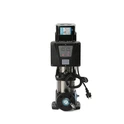
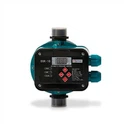
- New LCD Display Inverter: This inverter features a new LCD display, providing easy-to-read information and intuitive control. It is suitable for a variety of applications, including residential, commercial, and industrial water systems.
- 380V Three-Phase Pump Variable Frequency Drive: Designed for three-phase pumps, this drive offers high-performance control and energy efficiency. It is ideal for large-scale water supply systems and industrial applications.
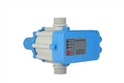
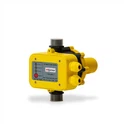
- Variable Frequency Pump Constant Voltage Controller: This controller is specifically designed to maintain a constant voltage in the water system, ensuring stable and reliable operation. It is suitable for applications where a consistent water pressure is required, such as in high-rise buildings or irrigation systems.
Contact Us for More Information
If you're interested in learning more about how our water pump inverters can adapt to different pipe diameters or would like to discuss your specific requirements, please don't hesitate to contact us. Our team of experts is always available to provide you with detailed information and technical support. We look forward to working with you to optimize your water system and achieve greater efficiency and performance.
References
- Fluid Mechanics: Fundamentals and Applications, by Yunus A. Cengel and John M. Cimbala
- Variable Frequency Drives: Principles, Operation, and Applications, by Thomas G. Hamer