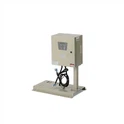
As a seasoned supplier of pump inverters, I've witnessed firsthand the transformative impact these devices have on pump performance. In this blog, I'll delve into the technical details of how pump inverters enhance efficiency, reliability, and overall functionality of pumps.
Understanding the Basics of Pump Inverters
Before we explore how pump inverters improve performance, let's first understand what they are. A pump inverter is an electronic device that controls the speed of an electric motor driving a pump. By adjusting the frequency and voltage supplied to the motor, the inverter can vary the motor's speed, which in turn changes the flow rate and pressure of the pump.
This ability to control the motor speed is crucial because traditional pumps often operate at a fixed speed, regardless of the actual demand for water or fluid. This can lead to inefficiencies, as the pump may be overworking when the demand is low or underperforming when the demand is high. Pump inverters solve this problem by allowing the pump to operate at the optimal speed for the given conditions.
Energy Efficiency
One of the most significant benefits of using a pump inverter is improved energy efficiency. According to the U.S. Department of Energy, pumps account for a substantial portion of industrial and commercial energy consumption. By adjusting the pump speed to match the actual demand, pump inverters can significantly reduce energy usage.
When a pump operates at a fixed speed, it consumes a constant amount of energy, even when the flow rate or pressure requirements are low. In contrast, a pump inverter can slow down the pump when less flow or pressure is needed, reducing the energy consumption proportionally. For example, if a pump is operating at 50% of its maximum capacity, a pump inverter can reduce the motor speed to 50%, resulting in a significant reduction in energy consumption.
In addition to reducing energy consumption during normal operation, pump inverters can also prevent energy waste during start-up and shut-down. Traditional pumps often require a large amount of energy to start up, which can cause voltage dips and other electrical problems. Pump inverters, on the other hand, can gradually increase the motor speed during start-up, reducing the inrush current and minimizing the impact on the electrical system. Similarly, during shut-down, the inverter can gradually decrease the motor speed, preventing water hammer and other hydraulic problems.
Improved Process Control
Another advantage of pump inverters is improved process control. In many industrial and commercial applications, precise control of flow rate and pressure is essential for maintaining product quality and process efficiency. Pump inverters allow for accurate and real-time adjustment of pump speed, enabling operators to maintain the desired flow rate and pressure under varying conditions.
For example, in a water treatment plant, the flow rate of water through the treatment process needs to be carefully controlled to ensure effective treatment. A pump inverter can adjust the pump speed based on the water level, flow rate, and other parameters, ensuring that the water is treated at the optimal rate. Similarly, in a chemical processing plant, the pressure of a fluid in a pipeline needs to be maintained within a specific range to prevent leaks and ensure safe operation. A pump inverter can monitor the pressure and adjust the pump speed accordingly, maintaining the desired pressure at all times.


Extended Equipment Lifespan
Pump inverters can also extend the lifespan of pumps and other equipment. By reducing the stress on the motor and other components, pump inverters can prevent premature wear and tear, reducing the frequency of maintenance and replacement.
When a pump operates at a fixed speed, it is subject to constant mechanical stress, which can cause the motor bearings, seals, and other components to wear out over time. Pump inverters, on the other hand, can reduce the mechanical stress by adjusting the pump speed to match the actual demand. This not only extends the lifespan of the pump but also reduces the risk of breakdowns and downtime.
In addition to reducing mechanical stress, pump inverters can also prevent electrical problems that can damage the motor and other components. For example, voltage spikes and surges can cause insulation breakdown and other electrical failures. Pump inverters can protect the motor from these problems by providing voltage regulation and surge protection.
Enhanced System Reliability
Pump inverters can also enhance the reliability of the entire pumping system. By providing real-time monitoring and diagnostic capabilities, pump inverters can detect and alert operators to potential problems before they cause a breakdown.
Many pump inverters are equipped with sensors and monitoring devices that can measure various parameters, such as motor temperature, current, and voltage. These sensors can detect abnormal conditions, such as overheating, overloading, or electrical faults, and send an alert to the operator. This allows the operator to take corrective action before the problem escalates, preventing downtime and reducing maintenance costs.
In addition to real-time monitoring, pump inverters can also provide historical data and analytics, which can be used to identify trends and patterns in the pump's performance. This information can be used to optimize the pump's operation, predict maintenance needs, and improve the overall reliability of the pumping system.
Types of Pump Inverters
There are several types of pump inverters available on the market, each designed for specific applications and requirements. Some of the most common types of pump inverters include:
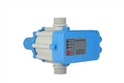
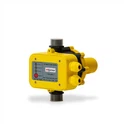
- Inverter With Float Switch: These inverters are designed to control the pump based on the water level in a tank or reservoir. The float switch detects the water level and sends a signal to the inverter, which then adjusts the pump speed accordingly.
- Timing And Speed Control Pump Inverters: These inverters allow for precise control of the pump speed and timing. They can be programmed to operate the pump at specific times or intervals, or to adjust the pump speed based on a pre-set schedule.
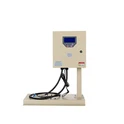
- Air-Cooled Water Pump Inverter: These inverters are designed for use with water pumps and are cooled by air. They are typically more compact and less expensive than liquid-cooled inverters, making them a popular choice for small to medium-sized applications.
Conclusion
In conclusion, pump inverters offer numerous benefits for improving pump performance, including energy efficiency, improved process control, extended equipment lifespan, and enhanced system reliability. As a supplier of pump inverters, I'm committed to providing high-quality products and solutions that meet the needs of our customers.
If you're interested in learning more about how pump inverters can improve the performance of your pumping system, or if you're looking for a reliable supplier of pump inverters, please don't hesitate to contact us. We'd be happy to discuss your specific requirements and provide you with a customized solution.
References
- U.S. Department of Energy. (n.d.). Industrial Technologies Program: Pumping System Assessment Tool. Retrieved from https://www.energy.gov/eere/amo/pumping-system-assessment-tool
- Hydraulic Institute. (n.d.). Pump Systems Matter: Improving Pumping System Performance. Retrieved from https://www.pumps.org/pump-systems-matter
- Electric Power Research Institute. (n.d.). Energy-Efficient Pumping Systems. Retrieved from https://www.epri.com/research/products/000000000001016777