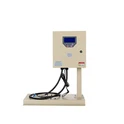
Hey there! As a supplier of pump controllers, I've seen firsthand how these nifty devices can protect pumps and keep them running smoothly. In this blog post, I'll break down the ways a pump controller safeguards your pump, so you can understand why it's a must - have addition to your pumping system.
Over - Current Protection
One of the most common issues that can damage a pump is an over - current situation. When there's too much current flowing through the pump motor, it can overheat and cause serious damage. A good pump controller is equipped with over - current protection features.
Think of it like a traffic cop for your electrical current. The controller constantly monitors the current flowing through the pump. If it detects that the current has exceeded a safe level, it will automatically shut off the pump. This quick action prevents the motor from burning out due to excessive heat. For example, if there's a blockage in the pump's impeller, it can cause the motor to draw more current. The pump controller will sense this increase and cut the power before any long - term damage occurs. You can check out our Electric Water Pump Controller which has excellent over - current protection built - in.
Dry - Running Protection
Dry - running is another major threat to pumps. When a pump runs without water, it can cause the impeller to overheat and wear out quickly. The lack of water also means there's no proper lubrication for the pump's moving parts.
A pump controller can detect when there's no water in the system. It uses sensors to measure the water level or the pressure in the pump. If the water level drops below a certain point or the pressure indicates a lack of water, the controller will turn off the pump. This way, you don't have to worry about your pump running dry and getting damaged. Our Clean Water Pump Controller is really great at preventing dry - running, as it comes with sensitive sensors that can accurately detect water levels.
Over - Pressure and Under - Pressure Protection
Pumps need to operate within a specific pressure range. If the pressure gets too high, it can put excessive stress on the pump's components, leading to leaks or even complete failure. On the other hand, if the pressure is too low, the pump may not be able to perform its intended function effectively.
A pump controller monitors the pressure in the system. When the pressure goes above or below the set limits, it takes action. If there's over - pressure, the controller can reduce the pump's speed or shut it down. In case of under - pressure, it can increase the pump's speed or signal an issue to the user. Our 110V Water Pump Electronic Pressure Switch is a top - notch device for maintaining the right pressure in your pump system.
Voltage Fluctuation Protection
In many areas, the electrical supply can be unstable, with voltage fluctuations occurring regularly. These fluctuations can be harmful to the pump motor. A high voltage can cause the motor to draw too much current and overheat, while a low voltage can make the motor run inefficiently and overwork.
A pump controller acts as a buffer against voltage fluctuations. It can regulate the voltage supplied to the pump, ensuring that the motor receives a stable and appropriate amount of power. This helps to extend the lifespan of the pump and keep it operating at peak performance.
Over - Temperature Protection
As I mentioned earlier, overheating is a big problem for pumps. The motor generates heat during operation, and if it can't dissipate this heat properly, it can lead to component failure. A pump controller can monitor the temperature of the pump motor.
If the temperature rises above a safe level, the controller will take steps to cool it down. This might involve reducing the pump's speed or shutting it off until the temperature drops to a normal range. By doing so, it prevents the motor from being damaged by excessive heat.
Automatic Restart and Self - Diagnosis
Some pump controllers come with automatic restart features. If the pump shuts down due to a temporary issue like a power surge or a minor blockage, the controller can automatically restart the pump once the problem is resolved. This saves you the hassle of manually restarting the pump every time.
Moreover, many modern pump controllers have self - diagnosis capabilities. They can detect faults in the pump system and display error messages. This makes it easier for you to identify and fix problems quickly, reducing downtime and maintenance costs.
Energy Efficiency
A pump controller doesn't just protect the pump; it can also help you save energy. By regulating the pump's speed and operation based on the actual demand, it ensures that the pump doesn't consume more energy than necessary. For example, if the water demand is low, the controller can slow down the pump, reducing its power consumption.
Compatibility and Ease of Installation
Our pump controllers are designed to be compatible with a wide range of pumps. Whether you have a small domestic pump or a large industrial one, we have a controller that will work for you. And the best part? They are easy to install. You don't need to be a professional electrician to set up our pump controllers. Just follow the simple instructions, and you'll have your pump protected in no time.


In conclusion, a pump controller is an essential component for any pump system. It offers multiple layers of protection, from over - current and dry - running to pressure and temperature control. If you're looking to protect your pump, improve its efficiency, and save on maintenance costs, investing in a high - quality pump controller is a no - brainer.
If you're interested in learning more about our pump controllers or want to discuss your specific pumping needs, feel free to reach out. We're here to help you find the perfect solution for your pump protection requirements.
References
- Pump Handbook, 4th Edition, by Karassik et al.
- Electrical Engineering for Pump Systems, various industry publications.