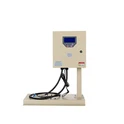
A 380V water pump inverter, when integrated with a solar power system, presents a highly efficient and sustainable solution for water - pumping applications. As a trusted supplier of 380V water pump inverters, I'm excited to delve into the intricacies of how these two systems work in harmony.
Basics of a 380V Water Pump Inverter
A 380V water pump inverter is a device that controls the speed and torque of a water pump's motor by altering the frequency and voltage supplied to it. In traditional water - pumping systems, pumps often operate at a fixed speed, which can lead to excessive energy consumption, especially when the full capacity of the pump is not required. The inverter overcomes this limitation. It can adjust the pump's operation according to the actual water demand, thus saving energy and reducing wear and tear on the pump motor.
The inverter consists of several key components. The rectifier is responsible for converting the incoming AC power into DC power. This step is crucial as it prepares the power for further processing. After that, the DC power is fed into a DC - link capacitor, which helps to stabilize the voltage. Finally, the inverter section takes the DC power and converts it back into AC power with the desired frequency and voltage. This frequency - adjusted AC power is then supplied to the water pump motor, allowing it to run at different speeds.
Solar Power System Fundamentals
A solar power system is designed to capture sunlight and convert it into electrical energy. It mainly consists of solar panels, a charge controller, a battery bank (optional), and an inverter (in some cases). Solar panels are made up of photovoltaic cells that generate direct current (DC) electricity when exposed to sunlight. The charge controller regulates the charging process of the battery bank, preventing over - charging and over - discharging, which can damage the batteries.
If a battery bank is included in the system, it stores the excess electricity generated during the day for use during periods when there is no sunlight, such as at night or on cloudy days. In systems without a battery bank, the generated electricity is used immediately or fed back into the grid. The inverter in a solar power system (not to be confused with the water pump inverter) converts the DC power from the solar panels or battery bank into alternating current (AC) power, which can be used to power electrical appliances.
Integration of 380V Water Pump Inverter with Solar Power System
Power Matching
The first step in integrating a 380V water pump inverter with a solar power system is to ensure power matching. The power output of the solar power system must be sufficient to meet the requirements of the water pump inverter. This involves calculating the power consumption of the water pump under different operating conditions and sizing the solar panels and battery bank (if present) accordingly.
For example, if the water pump has a maximum power rating of 5kW, the solar power system should be able to generate at least this much power during peak sunlight hours. Additionally, the voltage levels of the solar power system and the water pump inverter need to be compatible. The output of the solar inverter (which converts DC to AC) should match the input requirements of the 380V water pump inverter.
Control and Monitoring
The integration also requires effective control and monitoring mechanisms. A smart control system can be used to manage the operation of the water pump inverter based on the availability of solar power. When there is abundant sunlight and the solar power system is generating more electricity than needed, the control system can increase the speed of the water pump, maximizing water - pumping capacity.
Conversely, when solar power is limited, such as during cloudy days or in the early morning and late afternoon, the control system can reduce the pump's speed to match the available power. This not only ensures efficient use of solar energy but also prevents the water pump inverter from overloading or shutting down due to insufficient power.
Monitoring is equally important. By monitoring the power output of the solar panels, the state of charge of the battery bank (if any), and the operating parameters of the water pump inverter, operators can detect any potential problems early and take corrective actions. For instance, if the power output of the solar panels suddenly drops, it could indicate a problem with the panels, such as dirt accumulation or a malfunction.
Benefits of the Integration
Energy Efficiency
One of the most significant benefits of integrating a 380V water pump inverter with a solar power system is energy efficiency. Solar energy is a renewable and free source of power. By using solar power to run the water pump, the system reduces its reliance on grid - supplied electricity, which is often generated from non - renewable sources and can be expensive.
The water pump inverter further enhances energy efficiency by adjusting the pump's speed according to the water demand. This means that the pump only consumes the amount of energy required to meet the actual need, rather than running at full speed all the time. As a result, significant energy savings can be achieved over the long term.
Cost Savings
In addition to energy savings, the integration can lead to substantial cost savings. The initial investment in a solar power system and a water pump inverter may be relatively high. However, the reduced electricity bills and lower maintenance costs of the water pump (due to less wear and tear) can offset this cost over time. Moreover, in some regions, there are government incentives and subsidies available for the installation of solar power systems, which can further reduce the overall cost.
Environmental Sustainability
Using a solar - powered 380V water pump inverter is also an environmentally friendly option. Solar energy is clean and emits no greenhouse gases during its generation. By reducing the use of fossil - fuel - based electricity, the system helps to mitigate climate change and reduce air pollution. This is especially important in today's world, where there is a growing awareness of the need to transition to sustainable energy sources.
Our Product Offerings
As a supplier of 380V water pump inverters, we offer a wide range of high - quality products to meet different customer needs. For those interested in single - phase applications, we have the New Single - phase Water Pump Inverter. This inverter is designed for small - scale water - pumping systems and offers excellent performance and energy efficiency.


We also have the New LCD Display Inverter. This inverter features an easy - to - read LCD display, which allows users to monitor the operating parameters of the water pump in real - time. It provides a convenient way to control and manage the water - pumping process.
For home use, our Variable Frequency Pump Converter for Home Use is an ideal choice. It is compact, easy to install, and can effectively regulate the speed of the water pump according to the household's water demand.
Conclusion
The integration of a 380V water pump inverter with a solar power system offers a multitude of benefits, including energy efficiency, cost savings, and environmental sustainability. By carefully matching power, implementing effective control and monitoring, and using high - quality products, users can achieve optimal performance from their water - pumping systems.
If you are interested in our 380V water pump inverters or exploring the integration of these inverters with solar power systems for your specific application, we encourage you to contact us for procurement and further discussion. Our team of experts is ready to provide you with the best solutions tailored to your needs.
References
- "Variable Frequency Drives: Theory, Design, and Applications" by Bimal K. Bose.
- "Solar Power Engineering for the Practitioner" by Dixon B. Mitzi.
- Manufacturers' datasheets for 380V water pump inverters and solar power system components.