When it comes to ensuring the efficient and safe operation of your water pump system, choosing the right water pump pressure gauge is of paramount importance. As a trusted supplier of water pump pressure gauges, I understand the significance of making an informed decision. In this blog post, I will guide you through the key factors to consider when selecting a water pump pressure gauge that meets your specific needs.
Understanding the Basics of Water Pump Pressure Gauges
Before delving into the selection process, it's essential to have a basic understanding of how water pump pressure gauges work. These gauges are designed to measure the pressure within a water pump system, providing valuable information about the system's performance. They typically consist of a dial or digital display that indicates the pressure in pounds per square inch (PSI) or other units of measurement.


Water pump pressure gauges can be used in a variety of applications, including residential, commercial, and industrial settings. They are commonly installed in water pumps, well systems, irrigation systems, and other water distribution systems to monitor and control the pressure.
Factors to Consider When Choosing a Water Pump Pressure Gauge
- Pressure Range: The first and most important factor to consider when choosing a water pump pressure gauge is the pressure range. You need to select a gauge that can accurately measure the pressure within your water pump system. If the pressure range of the gauge is too low, it may not be able to provide accurate readings, while a gauge with a too-high pressure range may be overkill and more expensive.
- To determine the appropriate pressure range for your system, you need to know the maximum and minimum pressure that your water pump can generate. This information can usually be found in the pump's specifications or manual. Once you have this information, you can choose a gauge with a pressure range that slightly exceeds the maximum pressure of your system.
- Accuracy: The accuracy of a water pump pressure gauge is another crucial factor to consider. A gauge with high accuracy will provide more precise readings, which is essential for ensuring the proper operation of your water pump system. The accuracy of a gauge is typically expressed as a percentage of the full-scale reading.
- For most applications, a gauge with an accuracy of ±1% or better is recommended. However, if you require more precise measurements, you may need to choose a gauge with a higher accuracy rating. Keep in mind that gauges with higher accuracy ratings are usually more expensive, so you need to balance your accuracy requirements with your budget.
- Durability: Since water pump pressure gauges are often exposed to harsh environments, durability is an important consideration. You need to choose a gauge that can withstand the conditions in which it will be used, such as high temperatures, humidity, and vibration.
- Look for gauges that are made from high-quality materials, such as stainless steel or brass, which are resistant to corrosion and wear. Additionally, consider choosing a gauge with a protective case or housing to prevent damage from physical impact.
- Display Type: Water pump pressure gauges come in two main display types: analog and digital. Analog gauges have a traditional dial and pointer display, while digital gauges use an electronic display to show the pressure readings.
- Analog gauges are typically more affordable and easier to read, especially in low-light conditions. However, they may not be as accurate as digital gauges, and they can be more difficult to read from a distance. Digital gauges, on the other hand, provide more precise readings and are easier to read from a distance. They also often have additional features, such as backlighting and data logging.
- The choice between analog and digital gauges depends on your personal preference and the specific requirements of your application. If you need to read the gauge from a distance or in low-light conditions, a digital gauge may be a better choice. However, if you prefer a traditional look and feel, an analog gauge may be more suitable.
- Connection Type: The connection type of a water pump pressure gauge is another factor to consider. You need to choose a gauge that can be easily installed in your water pump system. The most common connection types for water pump pressure gauges are NPT (National Pipe Thread) and BSP (British Standard Pipe).
- Make sure that the connection type of the gauge matches the connection type of your water pump system. If you're not sure which connection type you need, consult the pump's specifications or manual or contact a professional plumber or technician.
- Additional Features: In addition to the basic features mentioned above, some water pump pressure gauges may have additional features that can be useful in certain applications. For example, some gauges may have a built-in switch that can be used to control the operation of the water pump, while others may have a pressure relief valve to prevent overpressure.
- Consider whether any of these additional features are necessary for your application. If you need a gauge with a built-in switch, make sure that it is compatible with your water pump system. Similarly, if you need a gauge with a pressure relief valve, make sure that it is rated for the maximum pressure of your system.
Types of Water Pump Pressure Gauges
There are several types of water pump pressure gauges available on the market, each with its own advantages and disadvantages. Here are some of the most common types:
- Mechanical Pressure Gauges: Mechanical pressure gauges are the most traditional type of water pump pressure gauges. They use a mechanical mechanism, such as a Bourdon tube or a diaphragm, to measure the pressure. Mechanical gauges are typically more affordable and easier to install than digital gauges.
- However, they may not be as accurate as digital gauges, and they can be more prone to mechanical failure. Additionally, mechanical gauges may require periodic calibration to ensure accurate readings.
- Digital Pressure Gauges: Digital pressure gauges use electronic sensors to measure the pressure and display the readings on a digital screen. They are typically more accurate and easier to read than mechanical gauges, and they often have additional features, such as backlighting and data logging.
- Digital gauges are also more durable and less prone to mechanical failure than mechanical gauges. However, they are usually more expensive than mechanical gauges and may require a power source to operate.
- Differential Pressure Gauges: Differential pressure gauges are used to measure the difference in pressure between two points in a water pump system. They are commonly used in applications where it is necessary to monitor the pressure drop across a filter or other component.
- Differential pressure gauges can be either mechanical or digital, and they are available in a variety of pressure ranges and accuracy ratings.
- Absolute Pressure Gauges: Absolute pressure gauges measure the pressure relative to a perfect vacuum. They are commonly used in applications where it is necessary to measure the pressure in a closed system or in a vacuum environment.
- Absolute pressure gauges can be either mechanical or digital, and they are available in a variety of pressure ranges and accuracy ratings.
Complementary Products for Your Water Pump System
In addition to water pump pressure gauges, there are several other products that can enhance the performance and reliability of your water pump system. Here are some examples:
- Stainless Steel Five-Way: This product is a versatile accessory that can be used to connect multiple components in your water pump system. It is made from high-quality stainless steel, which is resistant to corrosion and wear.
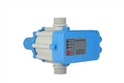
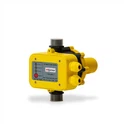
- Automatic Pump Mechanical Switch: An automatic pump mechanical switch can be used to control the operation of your water pump based on the pressure in the system. It can help to prevent over-pumping and ensure the proper operation of your water pump.
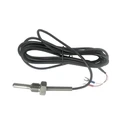
- Protection Class IP68 Pressure Sensors: These pressure sensors are designed to provide accurate and reliable pressure measurements in harsh environments. They have a protection class of IP68, which means they are dust-tight and can be submerged in water for extended periods of time.
Conclusion
Choosing the right water pump pressure gauge for your needs is essential for ensuring the efficient and safe operation of your water pump system. By considering the factors mentioned above, such as pressure range, accuracy, durability, display type, connection type, and additional features, you can select a gauge that meets your specific requirements.
As a supplier of water pump pressure gauges, I am committed to providing high-quality products and excellent customer service. If you have any questions or need assistance in choosing the right gauge for your system, please don't hesitate to contact me. I will be happy to help you make an informed decision.
Whether you are a homeowner, a contractor, or an industrial user, having the right water pump pressure gauge is crucial for the proper functioning of your water pump system. So, take the time to choose the right gauge, and enjoy the peace of mind that comes with knowing that your system is operating at its best.
If you are interested in purchasing water pump pressure gauges or any of the complementary products mentioned in this blog post, please reach out to start a discussion about your specific needs. I look forward to working with you to find the perfect solutions for your water pump system.
References
- ASME B40.100-2013, Pressure Gauges and Gauge Attachments
- ISO 5167-1:2003, Measurement of fluid flow by means of pressure differential devices inserted in circular cross-section conduits running full
- OMEGA Engineering, Inc., "Pressure Gauge Selection Guide"