In the world of water pump systems, the use of frequency inverters has become increasingly prevalent. These devices offer significant advantages in terms of energy efficiency, speed control, and overall system performance. However, a common question that arises among users and potential buyers is whether a water pump frequency inverter needs a filter. As a water pump frequency inverter supplier, I'd like to delve into this topic and provide a comprehensive analysis.
Understanding Water Pump Frequency Inverters
Before we discuss the need for filters, it's essential to understand what water pump frequency inverters are and how they work. A water pump frequency inverter is an electronic device that controls the speed of an electric motor driving a water pump. By adjusting the frequency and voltage supplied to the motor, the inverter can vary the motor's speed, which in turn regulates the flow rate and pressure of the water pump. This ability to control the pump's operation precisely makes frequency inverters highly efficient and versatile in various applications, such as water supply systems, irrigation, and industrial processes.
The Role of Filters in Frequency Inverters
Filters play a crucial role in the proper functioning of frequency inverters. They are designed to mitigate the negative effects of electrical noise and interference generated by the inverter. When an inverter operates, it produces high - frequency harmonics and electromagnetic interference (EMI). These harmonics can cause several problems, including:
- Overheating of Equipment: High - frequency harmonics can increase the current flowing through the electrical system, leading to overheating of cables, transformers, and other connected devices. This not only reduces the lifespan of the equipment but also poses a safety hazard.
- Malfunction of Sensitive Electronics: EMI can interfere with the operation of other sensitive electronic devices in the vicinity, such as sensors, controllers, and communication systems. This can result in inaccurate readings, system failures, and even production downtime.
- Power Quality Issues: The presence of harmonics can degrade the overall power quality of the electrical network, leading to voltage fluctuations, power factor deterioration, and increased energy consumption.
Types of Filters for Water Pump Frequency Inverters
There are several types of filters that can be used with water pump frequency inverters, each designed to address specific issues:
- Input Filters: These filters are installed at the input side of the inverter to reduce the harmonic content of the incoming power supply. They help to protect the electrical network from the harmonic currents generated by the inverter and improve the power factor.
- Output Filters: Output filters are placed at the output of the inverter to reduce the high - frequency voltage spikes and harmonics delivered to the motor. This helps to protect the motor from insulation damage and reduces electromagnetic interference.
- EMI Filters: EMI filters are used to suppress electromagnetic interference generated by the inverter. They can be installed either at the input or output of the inverter, depending on the specific requirements of the application.
When is a Filter Necessary?
Whether a water pump frequency inverter needs a filter depends on several factors:
- Application Environment: In industrial environments where there are many sensitive electronic devices or where the electrical network is shared with other equipment, a filter is often necessary to prevent interference. For example, in a water treatment plant with a large number of sensors and control systems, the use of filters can ensure the reliable operation of the entire system.
- Motor Requirements: Some motors are more sensitive to high - frequency harmonics and voltage spikes than others. If the water pump is driven by a high - performance motor or a motor with a long cable run, an output filter may be required to protect the motor from damage.
- Power Quality Regulations: In some regions, there are strict power quality regulations that limit the amount of harmonic content allowed in the electrical network. If the inverter is expected to operate within these regulations, the use of an input filter may be mandatory.
Our Product Offerings
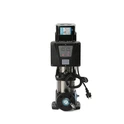
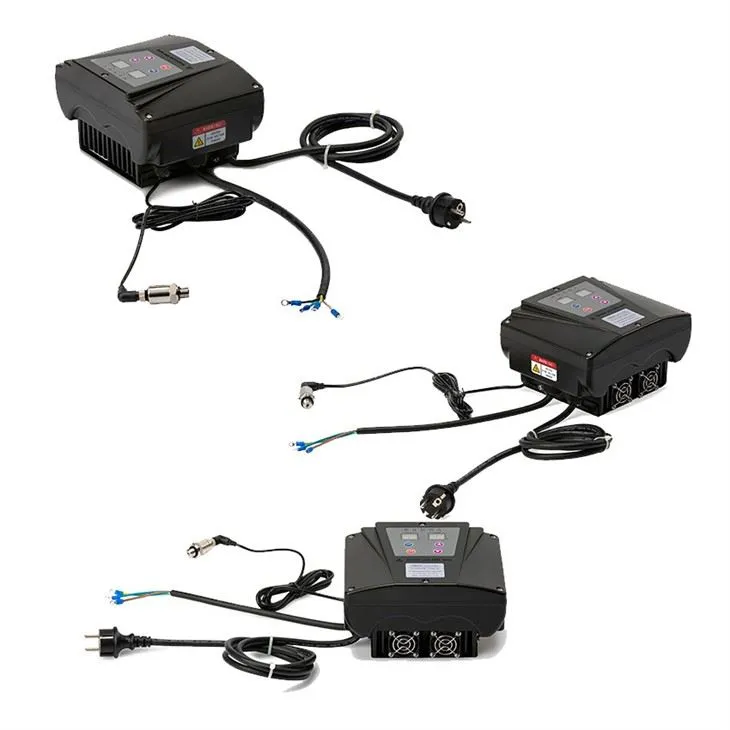
As a water pump frequency inverter supplier, we offer a range of products that come with different filter options to meet the diverse needs of our customers. For example, our Water - cooled Inverter VFA - 60L Series is designed with advanced input and output filters to ensure high - quality power supply and reliable motor operation. This series is suitable for large - scale water pumping applications where power efficiency and system stability are crucial.
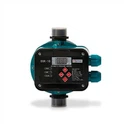
Our Pump LCD Display Variable Speed Drive also features built - in EMI filters to minimize electromagnetic interference. The LCD display provides real - time information about the inverter's operation, making it easy for users to monitor and adjust the settings.
For more portable and lightweight applications, our Knapsack Water Pump Inverter is a great choice. Although it is compact, it still comes with basic filtering capabilities to ensure stable performance.
Conclusion
In conclusion, while not all water pump frequency inverters require a filter, in many cases, the use of a filter is highly recommended. Filters can significantly improve the performance, reliability, and lifespan of the inverter and the connected equipment. They also help to comply with power quality regulations and reduce the risk of interference with other electronic devices.
As a professional water pump frequency inverter supplier, we are committed to providing our customers with high - quality products and comprehensive technical support. If you are considering purchasing a water pump frequency inverter or need advice on whether a filter is necessary for your application, please feel free to contact us. We will be happy to assist you in making the right choice and ensuring the optimal performance of your water pump system.

References
- "Power Electronics: Converters, Applications, and Design" by Ned Mohan, Tore M. Undeland, and William P. Robbins.
- "Electromagnetic Compatibility in Power Electronics Systems" by Marian K. Kazimierczuk.
- Industry standards and guidelines related to power quality and electromagnetic interference, such as IEEE 519 and CISPR 11.